
Thai shippers outline 3 options for cargo stranded after Hormuz attack


The Thai National Shippers’ Council has outlined three options for exporters with cargo stranded after a Thai vessel was attacked near the Strait of Hormuz.
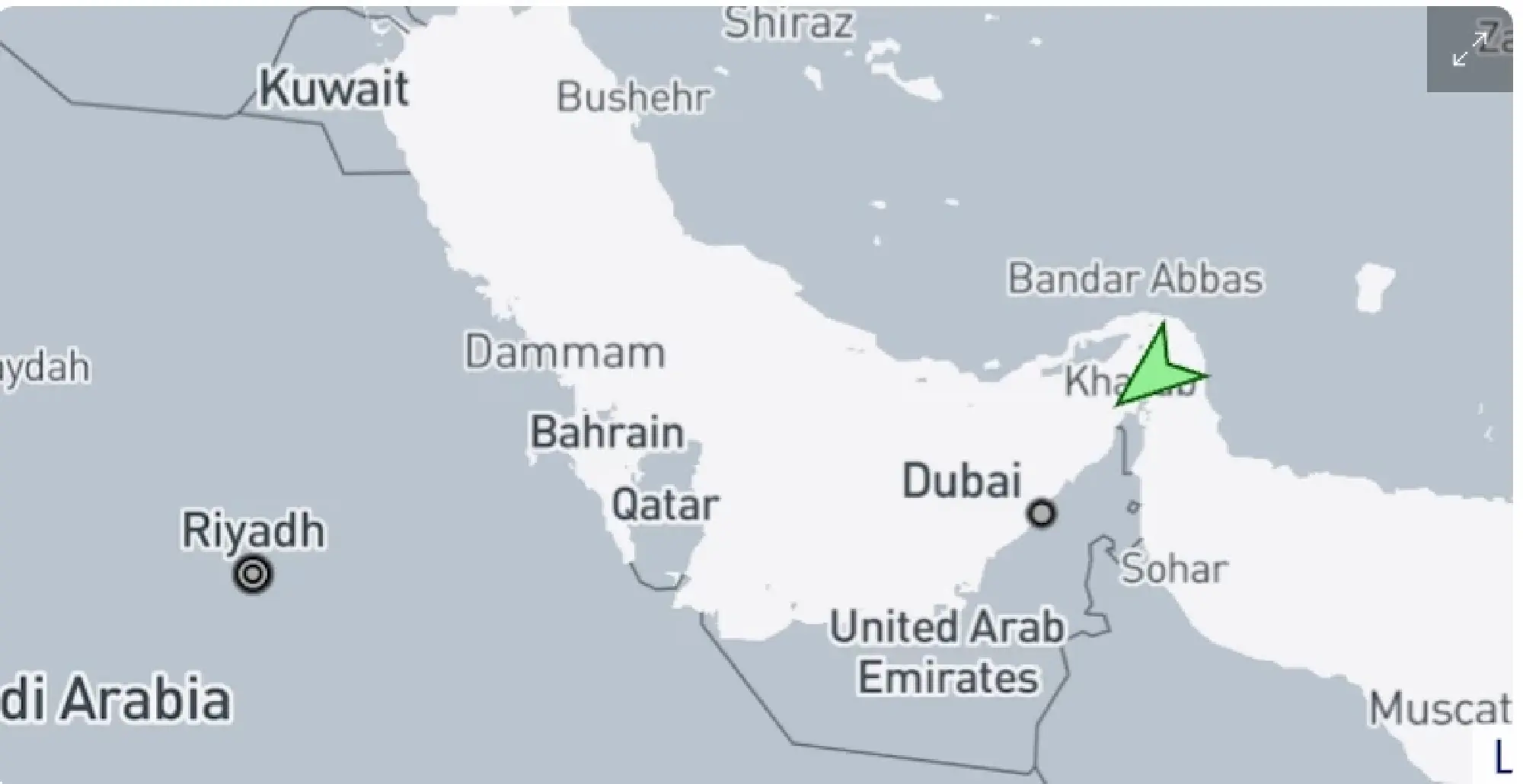
The Thai National Shippers’ Council (TNSC) has outlined three main options for exporters dealing with cargo stranded at sea after a Thai cargo vessel was attacked near the Strait of Hormuz, as concerns grow over disruption to shipments bound for the Persian Gulf.
Thanakorn Kasetsuwan, chairman of the TNSC, said the council was closely monitoring the situation and coordinating with the government, while advising exporters on how to manage containers already en route to countries in the Gulf region.
Three options for stranded cargo
The first option is to redirect containers to alternative ports by changing the final destination to ports such as Khor Fakkan in the United Arab Emirates or Jeddah in Saudi Arabia. However, this may create additional costs for importers or end customers, including customs clearance fees of around US$2,000 per container, port change charges such as End of Voyage fees of about US$600-800, and inland transport expenses.

The second option is to move containers to temporary holding areas at safe ports or transshipment hubs in countries such as India, Oman or Sri Lanka. The TNSC warned that this approach could lead to significantly higher costs if the crisis drags on, including storage fees, congestion, bottlenecks, limited service capacity, and the risk of cargo loss or damage. Port-related costs alone could rise to 500,000-600,000 baht per container over one to two months.
The third option is to return the containers to Thailand, which the TNSC described as the preferred solution to prevent exporters from facing high-risk and uncontrollable costs.
Fresh exports seen as most at risk
Thanakorn said direct and indirect disruption to exports and cargo movements was already beginning to emerge, especially for perishable goods such as meat, vegetables and fruit.

He warned that these products were especially vulnerable because of their short shelf life and could spoil easily if delays continue, increasing the burden on operators and causing income losses. He said the government should step in with support measures for affected exporters.
Middle East impact not yet severe
Despite the disruption, Thanakorn said the short-term impact on Thailand’s exports to the Middle East was not yet expected to be severe. He noted that the region accounts for only about 5% of Thailand’s global exports, with most shipments still driven by demand for food products such as rice and agricultural goods.
He added that the TNSC would continue discussions and work closely with state agencies to track developments in the Middle East.

Council asks exporters to report unfair charges
The TNSC also urged exporters facing unfair charges from shipping lines or service providers to gather evidence and submit it to the council.
Thanakorn said the council would represent exporters in discussions with the Department of Internal Trade and relevant agencies to push for concrete relief measures.
He added that the TNSC had already coordinated with the Port Authority of Thailand and private port operators on measures to support and facilitate cargo being returned to Thailand.
