
Thai homebuyers pull back as ‘Generation Rent’ gains ground


Home purchase demand fell in the first quarter of 2026 while rental demand rose, signalling a shift in Thailand’s property market towards cheaper, more flexible living options.
- In the first quarter of 2026, nationwide demand to buy residential property in Thailand fell by 6%, while demand for rentals rose by 4% (and 9% in Bangkok).
- Potential homebuyers are delaying purchases due to economic uncertainty, rising living costs, and the perception of home ownership as a long-term financial burden.
- The decline in buyer demand has been sharpest for expensive low-rise houses, while interest has shifted towards more affordable options like condominiums.
- Renting is increasingly a deliberate financial strategy for Thais seeking flexibility and the avoidance of long-term debt, giving rise to "Generation Rent".
Buying slows as renting gains ground
Thailand’s housing market is showing signs of a structural shift, with would-be buyers pulling back and more people turning to renting instead. The latest data from DDproperty shows that nationwide demand to buy residential property fell 6% in the first quarter of 2026, while rental demand rose 4%. In Bangkok, rental demand climbed even faster, jumping 9%.
The trend suggests that Thais still want a home, but are increasingly changing how they plan to secure one.
Ownership still matters, but the route has changed
In the past, buying a home was widely seen as a major life goal. Today, it is increasingly viewed as a long-term financial burden, especially at a time when the economy remains uncertain, incomes are not rising as quickly as living costs, and households are under pressure from borrowing costs and day-to-day expenses.

Rather than abandoning the idea of home ownership altogether, many people are choosing to delay their purchase.
That shift has hit low-rise housing demand particularly hard. Demand for detached houses fell 17%, while townhouses dropped 16%. Condominiums, however, moved in the opposite direction, rising 4%, reflecting stronger interest in housing that is cheaper and easier to access.
Demand shifts to cheaper, more flexible options
The market is increasingly being driven towards affordability and flexibility. DDproperty’s data shows that homes priced between THB1 million and THB3 million accounted for 44% of total interest, underlining the limits of real purchasing power in the current environment.

The rental market is sending much the same signal. The fastest growth was seen in units renting for less than THB10,000 a month, up 11%, suggesting that many households are prioritising liquidity and keeping fixed costs low.
Renting becomes a financial strategy
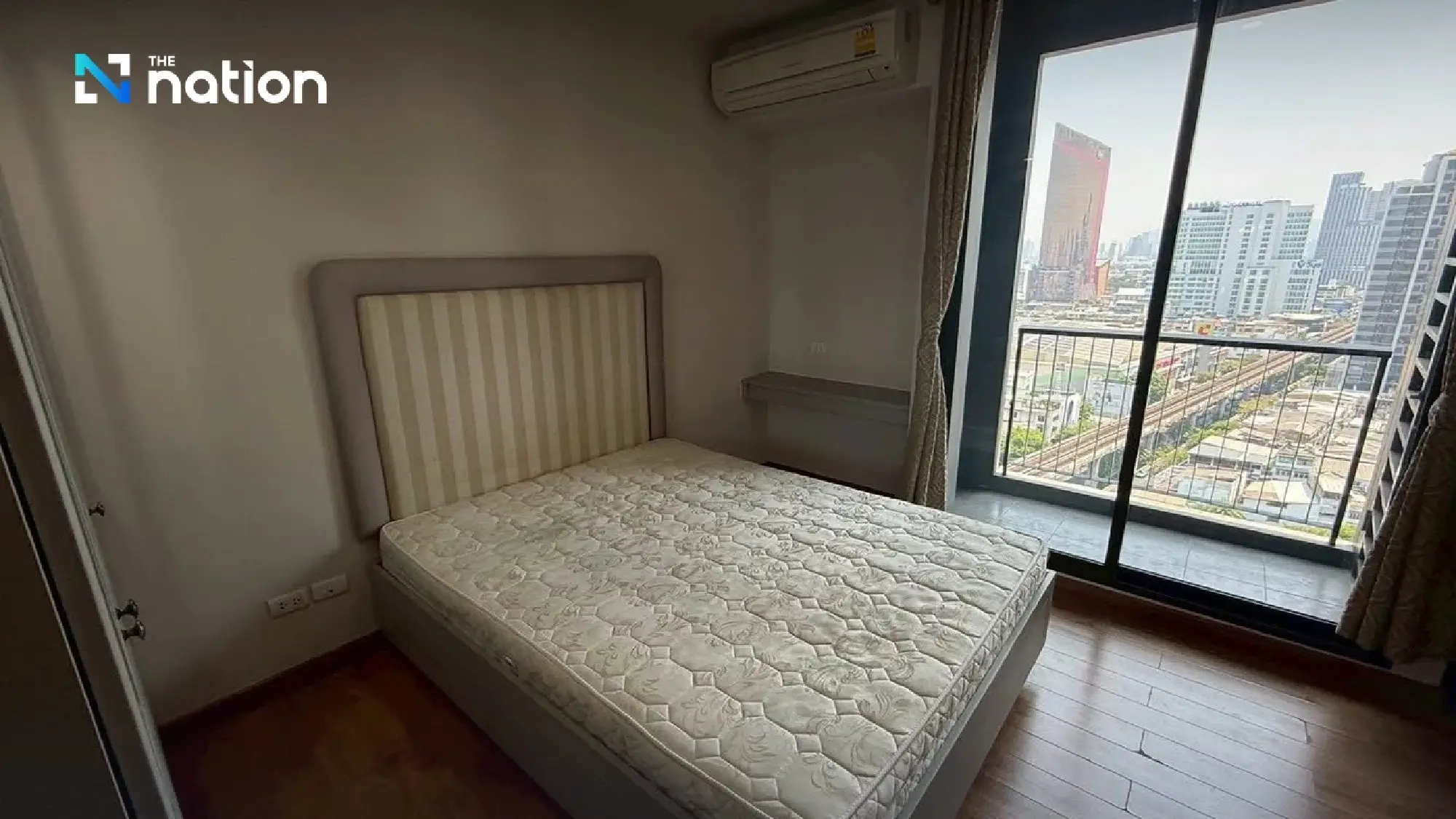
Renting is no longer simply a temporary option for those not yet ready to buy. For many people, especially in cities such as Bangkok where land prices are high and housing is expensive, renting has become a deliberate financial choice.
It offers flexibility, avoids long-term debt, makes it easier to relocate for work, and allows households to preserve savings or deploy money elsewhere. This is the backdrop to the rise of what is increasingly being described as “Generation Rent”.

Developers face a new market reality
For property developers, the shift means traditional strategies may no longer work as effectively as before. In a market where demand remains present but is changing shape, developers may need to rethink their product mix.
That could mean focusing more on genuinely affordable homes, expanding projects aimed at the rental market, and designing developments that better match how people live and work today.
From the age of ownership to the age of flexibility
What is happening in Thailand’s property market is not simply a cyclical slowdown. It points to a broader transition from an ownership-driven market to one shaped increasingly by flexibility.
In the longer term, the players that recognise this change early may be best placed to gain an advantage.
