
Retail giants turn mall revamps into Bangkok’s new property battleground
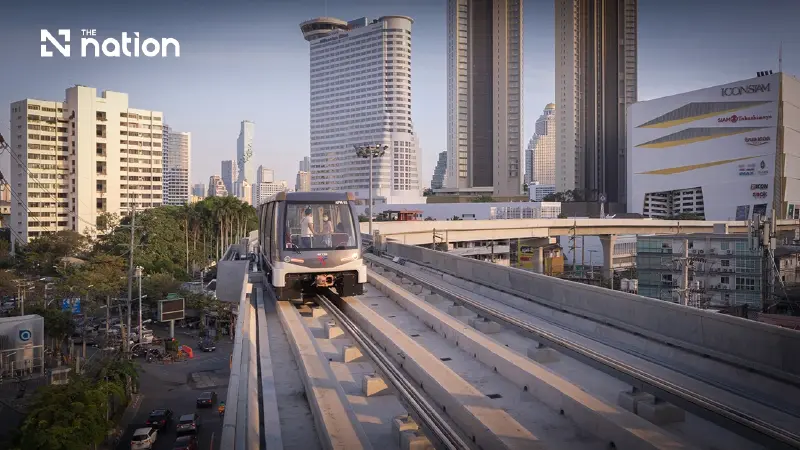


Thailand’s leading retail and property groups are investing billions of baht in mall revamps and mixed-use projects, turning ageing shopping centres into lifestyle, cultural and food landmarks as mass transit and rising land values reshape Bangkok’s key districts.
Thailand’s leading retail and property groups are pouring billions of baht into major mall revamps and mixed-use developments, turning ageing shopping centres into lifestyle, cultural and food landmarks as new mass-transit routes, urban expansion and rising land values intensify the race for strategic locations.
The latest wave of investment shows how shopping centres are no longer being treated simply as retail assets. They are increasingly being repositioned as district anchors capable of drawing foot traffic, supporting nearby residential and office projects, raising land values and reshaping the identity of surrounding neighbourhoods.
The competition is also being driven by changing consumer behaviour. Mall operators are moving beyond conventional shopping space towards cultural hubs, wellness zones, green areas, food destinations, family facilities and community-focused experiences designed to keep visitors spending more time on site.
Malls become engines of urban growth
Large shopping centres have become key property magnets in Bangkok and surrounding provinces, helping lift the value of nearby buildings, stimulate new development and push up land prices.
This shift reflects a wider change in the role of retail property. In today’s market, a successful mall is not only a place to shop, but a tool for building district identity and capturing long-term gains from infrastructure, housing demand and urban expansion.
The race is especially intense in locations connected to existing or future mass-transit routes, including Ramkhamhaeng, Rattanathibet, Bangna, Pinklao, Ratchadamri and Pratunam.
The Mall revives Ramkhamhaeng with cultural retail
The Mall Group has invested more than 1.3 billion baht to transform The Mall Ramkhamhaeng, its first branch, into 1981 Soul & Sold, a new lifestyle mall and cultural hub for eastern Bangkok.
The revamp, the biggest transformation of the site in 43 years, is positioned under a “Newstalgia” concept, combining nostalgia with new retail experiences. The Mall Group describes the project as a cultural retail ecosystem linking commerce, culture and community, with zones for vintage fashion, music, art, collectibles, creative lifestyle products, food and community activities.
The strategy allows The Mall Group to preserve the legacy of a historic Ramkhamhaeng asset while repositioning it for younger consumers, collectors, creators and shoppers looking for more distinctive experiences than those offered by standard retail formats.
The timing also fits the future development of the MRT Orange Line. The Mass Rapid Transit Authority of Thailand says land acquisition has been completed, civil works are substantially complete and mechanical and electrical works are under way on the eastern section.
Property market estimates cited in the sector place asking land prices around parts of Ramkhamhaeng at 800,000 baht to 1 million baht per square wah, particularly near the newly repositioned mall and surrounding condominium projects.
Central Pattana expands district-making strategy
Central Pattana, or CPN, is also accelerating its mall-transformation strategy across Bangkok and nearby provinces, with major revamps of Central Chaengwattana, Central Pinklao and Central Bangna.
The most prominent move is the redevelopment of Central Rattanathibet into Central Northville, a 4.5-billion-baht mixed-use project on more than 59 rai. The project is positioned as “The New District of North Bangkok” and is designed as Thailand’s first outdoor-inspired indoor shopping centre, combining biophilic design, wellness, lifestyle, sports, dining and residential components.
Central Northville opened on July 3, 2026, as Central Pattana’s latest attempt to expand its retail-led ecosystem into Nonthaburi and north-western Bangkok. The project is expected to capture traffic from nearby residential communities, the MRT Purple Line, the Pink Line and future transport links.
The redevelopment signals a broader strategy: CPN is no longer merely renovating malls, but using large retail assets to reset entire districts and link shopping centres with housing, offices, transport and lifestyle services.
Bangna set for mixed-use showdown
Central Pattana is also undertaking the largest transformation of Central Bangna in three decades, turning the site into a full mixed-use destination on more than 50 rai.
The new Central Bangna is planned to combine retail, offices and residential components, building on the existing ESCENT Bangna condominium and future housing projects. The retail transformation is scheduled for completion in the fourth quarter of 2026, with new food, fashion and lifestyle brands being added to serve the area’s high-spending customer base.
The Bangna project is especially significant because it will compete directly with Bangkok Mall, The Mall Group’s large mixed-use development, whose retail component is also expected to enter the market around the same period.
Bangna’s appeal is being reinforced by strong purchasing power, large residential catchment areas, proximity to the Bang Na-Trat corridor and future transport connectivity. Land prices in the area are estimated at around 300,000 baht per square wah, with further upside expected as infrastructure plans progress.
Pinklao repositioned as western Bangkok lifestyle hub
Central Pinklao has also undergone a major transformation after more than three decades, backed by an investment of more than 1.7 billion baht.
The revamped mall has been repositioned under the “New Soul of Pinklao” concept, with Central Group describing it as a refreshed lifestyle landmark at the heart of western Bangkok’s evolving urban scene.
The project is aimed at strengthening Pinklao’s status as a premium lifestyle hub for the Thonburi side of the capital. It is also expected to support nearby residential development as the district benefits from the MRT Blue Line and growing demand for housing in western Bangkok.
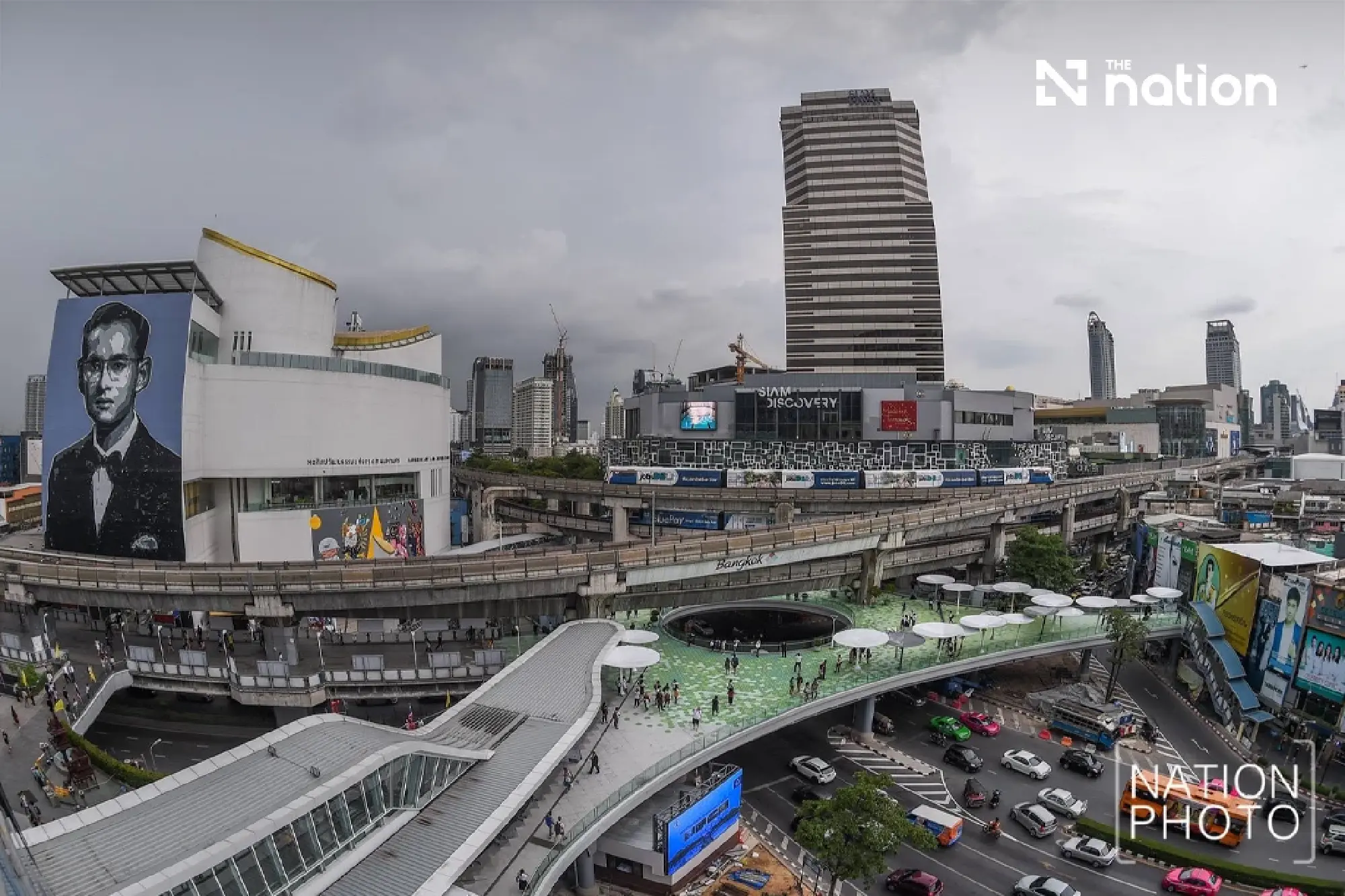

TCC Group targets tourists and food economy
The retail-property transformation is not limited to suburban and transit-linked malls. In central Bangkok, assets controlled by the TCC Group ecosystem are being repositioned to capture tourism, food and lifestyle spending.
Big C Supercenter Ratchadamri, operated under Big C Retail Corporation in the Berli Jucker group, has been upgraded as a lifestyle and tourist-focused landmark in one of Bangkok’s most valuable commercial districts.
The branch has added new zones across upper floors, including souvenir and Thai-product areas, food and dining space, and a spiritual-belief zone. Its central location near BTS Chit Lom and Siam, surrounded by major hotels and shopping centres, gives it strong access to both local and foreign shoppers.
Land prices in the Ratchadamri-Ratchaprasong area are among the highest in Bangkok, with estimates in the source text placing values at no less than 3 million baht per square wah.
Phenix turns former Pantip into food ecosystem
Another major repositioning is Phenix, the transformation of the former Pantip Pratunam by Asset World Corp, or AWC.
AWC says the project has a value of more than 10 billion baht and spans more than 69,000 square metres in Pratunam, integrating retail and wholesale food businesses with offline and online platforms. It includes more than 200 restaurants, Michelin-recommended food outlets, food business partners and a food ecosystem designed for both consumers and entrepreneurs.
The project reflects a broader trend in which older retail buildings are being repurposed into specialised destinations rather than standard shopping centres. In Phenix’s case, the focus is food, tourism, wholesale trade and digital commerce.
The location is also expected to benefit from the western section of the Orange Line, which will improve access through central Bangkok once completed. Land prices around Pratunam are estimated at around 1.5 million baht per square wah and could move towards 2 million baht per square wah once the new mass-transit link opens, according to market estimates cited in the source text.
Retail race shifts to control of districts
The latest wave of mall revamps shows that Thailand’s retail giants are competing for more than shoppers. They are competing to control the future of strategic urban districts.
By combining retail, housing, offices, transport links, food, culture, wellness and entertainment, major developers are turning malls into property-value engines at a time when both the domestic and global economies are slowing.
The result is a new property battleground in which the winners will be those able to turn retail assets into destinations that anchor neighbourhoods, command foot traffic and shape long-term land values.
Source: Thansettakij
