
Suphajee pledges to host RCEP ministerial meeting in Chiang Mai next month



Commerce Minister Suphajee Suthumpun says Thailand will host the RCEP ministerial meeting in Chiang Mai next month to strengthen regional trade ties.
Commerce Minister Suphajee Suthumpun announced at the Regional Comprehensive Economic Partnership (RCEP) Summit in Kuala Lumpur that Thailand will host the upcoming RCEP ministerial meeting in Chiang Mai next month.
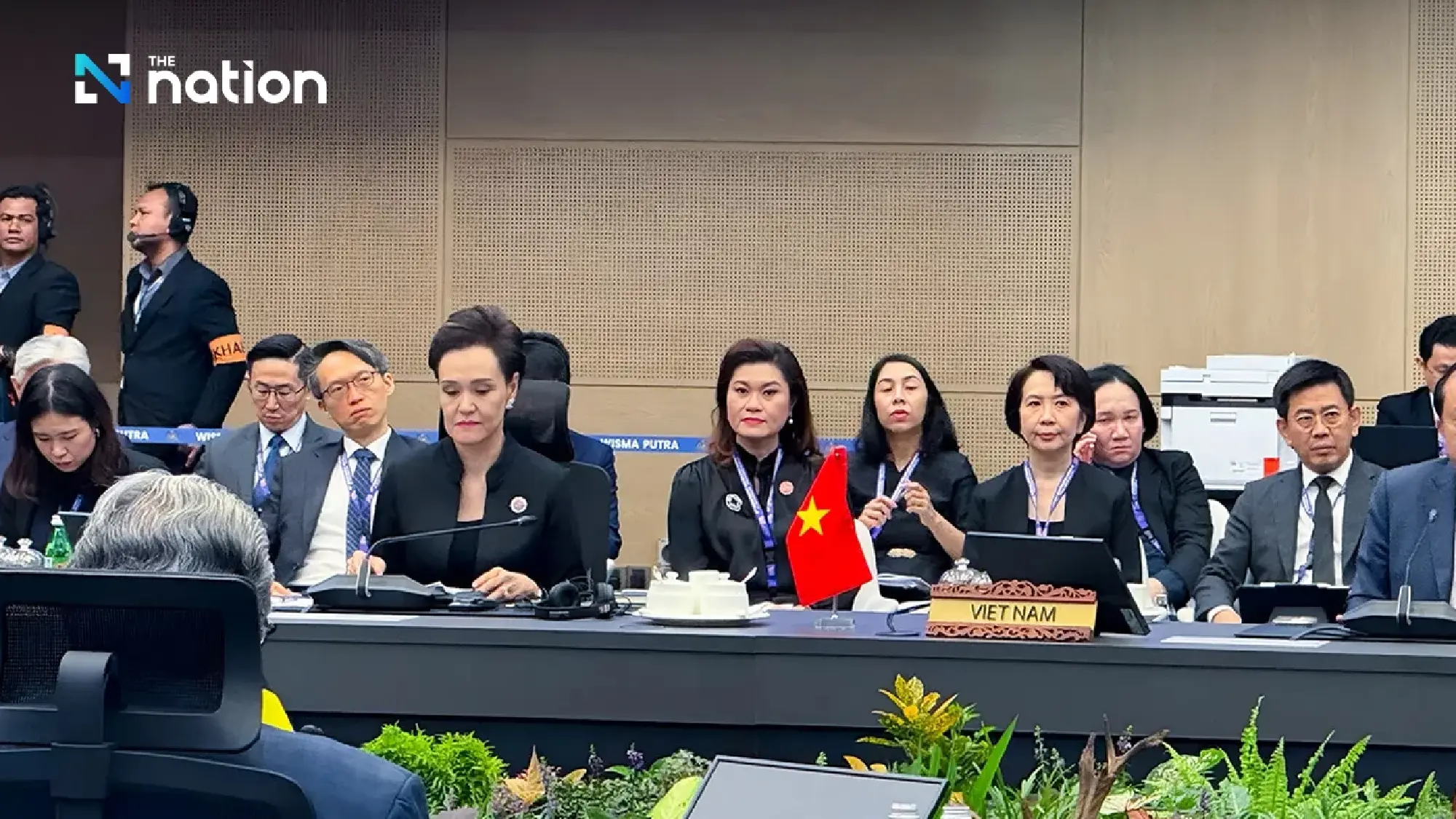
Suphajee represented Prime Minister Anutin Charnvirakul at the RCEP Summit held in Kuala Lumpur on Monday.
Thailand to accelerate implementation of RCEP resolutions
During the meeting, Suphajee reaffirmed to RCEP leaders that the Commerce Ministry was ready to host a ministerial meeting of RCEP members on November 16–17 in Chiang Mai. The aim is to accelerate the implementation of resolutions adopted by RCEP leaders during the latest summit.

This year’s gathering marked the first RCEP summit since the trade pact took effect five years ago, and was attended by leaders from the ten ASEAN member states, as well as Australia, China, Japan, South Korea, and New Zealand.
Geopolitical tensions threaten global trade
In her address, Suphajee noted that global trade is increasingly at risk due to geopolitical tensions affecting regional supply chain connectivity.
As a result, she reaffirmed Thailand’s stance that RCEP must uphold an open, pluralistic, and transparent trade policy, guided by clear rules to strengthen private-sector confidence in trading and investing among RCEP members.

Thailand pushes for diversification and new markets
Suphajee said the RCEP framework helps member countries reduce dependence on a few major trading partners, as the agreement allows new economies to join the current 15-member group. This, she said, aligns with Thailand’s policy of expanding to new markets worldwide.
“Adding new RCEP members will help the regional economy grow by expanding both supply and demand across more potential countries,” she said.
Thailand calls for RCEP review by 2027
Suphajee proposed that RCEP should review the agreement by 2027 to address emerging global issues and evolving private-sector demands. The revision, she said, should make the RCEP framework more flexible and adaptive to rapid changes in global trade.
She also urged the bloc to promote digital and environmentally friendly trade, and to ensure that small and medium-sized enterprises (SMEs) are supported and able to participate effectively in the regional supply chain.
