
Thailand Imposes ‘Burn-Free’ Mandate on Corn Imports to Combat PM2.5 Crisis
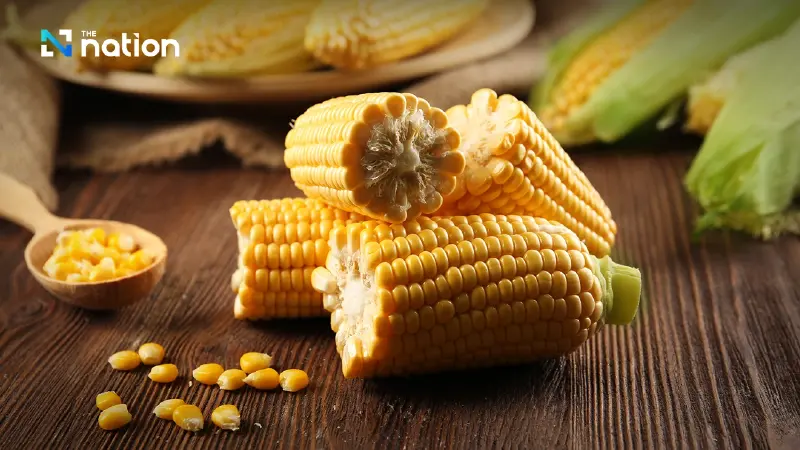


Effective from January 2026, Thailand will require "burn-free" certification for all corn imports and expand WTO quotas to one million tonnes
- Effective January 1, 2026, Thailand will require all imported corn for animal feed to be certified as "burn-free," meaning it is sourced from farms that do not practice agricultural burning.
- This mandate is a core part of Thailand's strategy to combat transboundary PM2.5 air pollution and align its supply chain with environmental standards.
- Importers must provide proof of compliance through self-certification or official documentation and are legally required to maintain traceability records for at least five years for potential audits.
- Alongside the environmental rule, the government is expanding the annual WTO corn import quota from 54,700 to one million tonnes.
Effective from January 2026, Thailand will require "burn-free" certification for all corn imports and expand WTO quotas to one million tonnes.
The Thai government has officially enforced a pioneering trade mandate requiring all imported animal-feed corn to be certified "burn-free."
The move, effective from 1 January 2026, is a cornerstone of the nation’s strategy to tackle transboundary PM2.5 pollution and align its agricultural supply chain with global environmental standards.
As reported by Thansettakij journalist Chatchayaporn Phongam, the Department of Foreign Trade (DFT) has released four comprehensive regulations designed to "green" the nation's imports.
Under the new Ministry of Commerce notification, corn destined for animal feed must be sourced exclusively from farms that do not employ agricultural burning in their cultivation processes.
Enforcing Environmental Transparency
The Director-General of the DFT, Arada Fuangtong, confirmed that the new laws add a critical environmental dimension to Thailand’s commerce.
To maintain trade fluidity, the Ministry has introduced a flexible yet rigorous verification system.
Importers may provide self-certification detailing the specific planting locations and yields or submit official documentation issued by the exporting country’s competent authorities or accredited international institutions.
"This is a significant policy shift," Arada noted, as she urged businesses to prioritise these new compliance measures.
To ensure accountability, importers are legally required to maintain all traceability records for a minimum of five years, allowing for retrospective audits by the Ministry of Agriculture and Cooperatives.
A Strategic Shift in
Quotas Beyond environmental mandates, the government has overhauled its import quotas to better balance industrial demand with the protection of local farmers.
Following a Cabinet resolution, the annual WTO import quota for corn has been dramatically expanded from a mere 54,700 tonnes to one million tonnes.
Crucially, the market has been liberalised, allowing private importers to access the quota alongside the state-run Public Warehouse Organisation.
Furthermore, while corn from ASEAN member states remains duty-free under the ATIGA agreement, Chatchayaporn reports that the import window for general traders has been shortened to a five-month period (1 February – 30 June).
This restriction is intended to prevent imported goods from saturating the market during the peak of Thailand’s domestic harvest.
Industry Readiness
While the regulations for animal-feed wheat remain largely consistent with previous years, the DFT has issued a stark warning to the corn industry.
The "burn-free" requirement represents a significant departure from standard practice, and businesses have been advised to audit their overseas suppliers immediately to avoid legal risks and shipment delays.
"Our priority is the 'burn-free' mandate," Arada concluded. "It is a new legal landscape that requires meticulous documentation to ensure that Thailand's growth does not come at the cost of the environment."
