
Thai exports to Iran face disruption risk as conflict escalates; fruit, rubber shipments most exposed



Thailand’s exports to Iran—worth 3.97 billion baht in January–November 2025 and led by canned fruit and rubber products—could face delays and higher costs as fighting involving Iran, the US and Israel intensifies, raising shipping and payment risks.
Thailand’s exports to Iran, led by canned and processed fruit and rubber-related products, could face disruption risks as fighting involving Iran, the United States and Israel escalates, raising concerns over logistics, insurance costs and payment channels for trade with the region.
Trade data from the Ministry of Commerce shows Iran is a relatively small trading partner for Thailand, but Thai exporters still ship a range of consumer and industrial products to the country.
Thailand–Iran trade: 2025 and 2024 figures
In 2025 (January–November 2025), Thailand–Iran trade totalled 4,259.86 million baht, comprising:
- Exports: 3,973.17 million baht
- Imports: 286.69 million baht
- Trade balance: Surplus of 3,687.02 million baht

In 2024 (January–December 2024), total trade stood at 7,287.06 million baht, comprising:
- Exports: 4,722.40 million baht
- Imports: 2,564.66 million baht
- Trade balance: Surplus of 2,157.74 million baht
Exports most exposed: fruit, rubber, machinery and beverages
The top Thai export items to Iran during January–November 2025—and those most likely to be affected by disruption to shipping schedules or trade financing—were:
- Canned and processed fruit — 885.66 million baht
- Rubber products — 430.42 million baht
- Natural rubber — 367.23 million baht
- Machinery and parts — 287.53 million baht
- Beverages — 269.98 million baht
- Motorcycles and parts — 251.69 million baht
- Batteries and parts — 211.65 million baht
- Chemicals — 113.81 million baht
- Medical instruments and equipment — 90.03 million baht
- Rice — 77.88 million baht
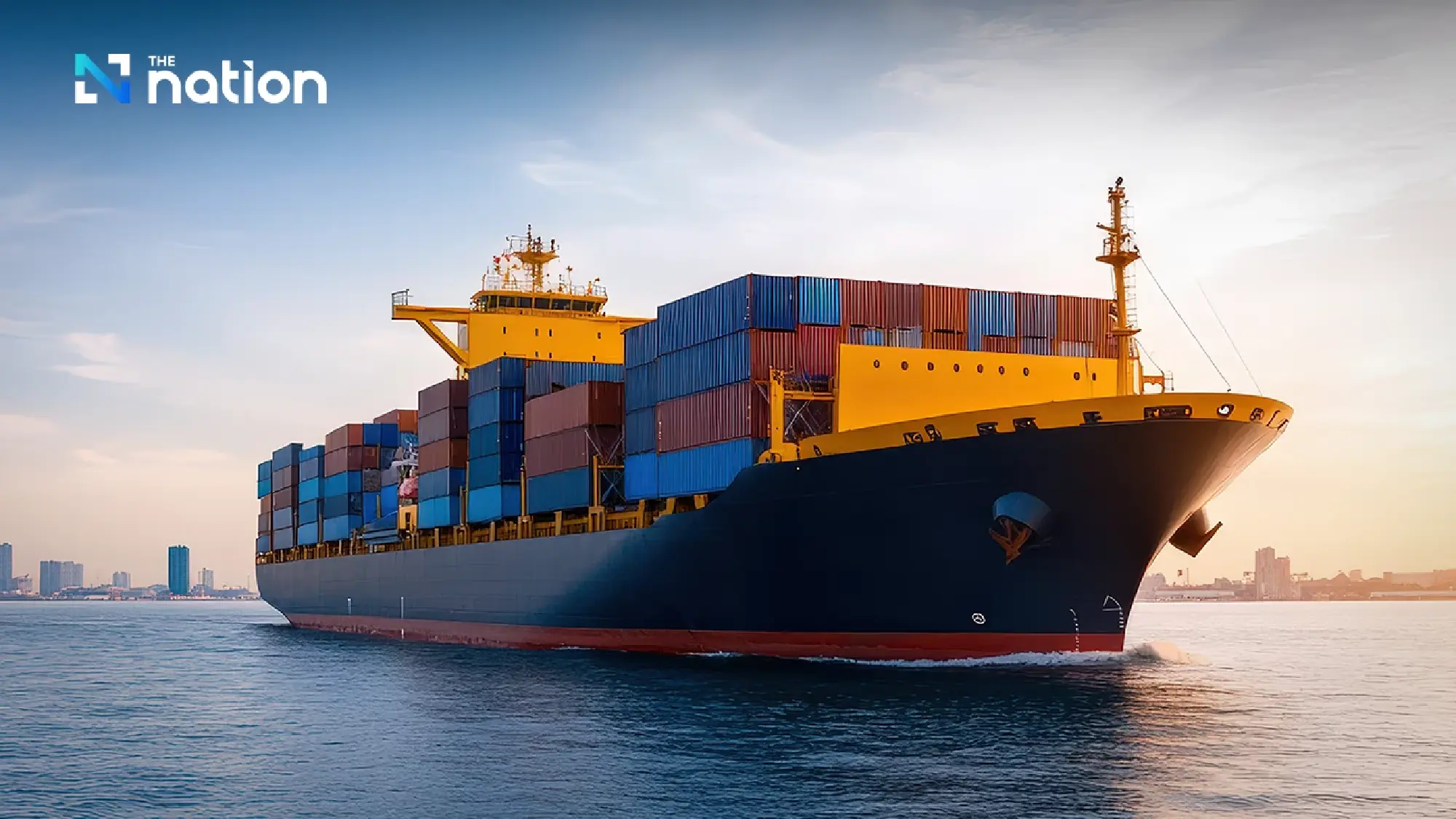

How the conflict could affect Thai shipments
Industry sources said Thai exporters could face:
- Shipping delays if regional security conditions disrupt routes or port operations
- Higher freight and insurance costs during periods of heightened risk
- Payment and settlement hurdles if financial channels tighten amid geopolitical uncertainty
- Demand volatility as importers reassess inventories and pricing
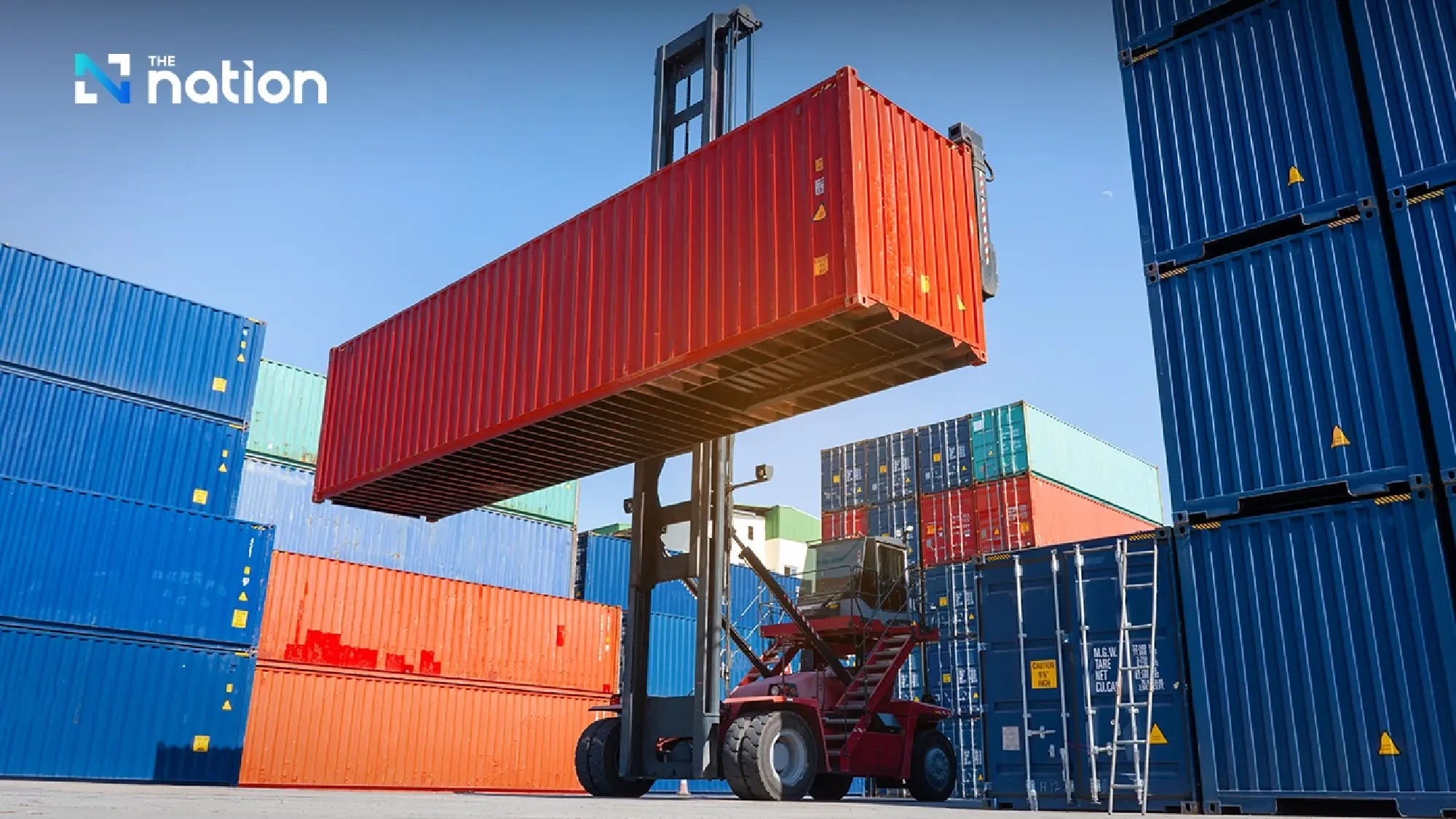

Outlook: monitoring trade and logistics risks
While Thailand’s overall trade exposure to Iran is limited, the breadth of export categories means some Thai businesses—especially in processed foods, rubber and light manufacturing—may need to closely monitor transport conditions and buyer payment terms until the situation stabilises.
