
OPEC+ Agrees Tactical Output Increase as Gulf Blockade Chokes Global Oil Supply
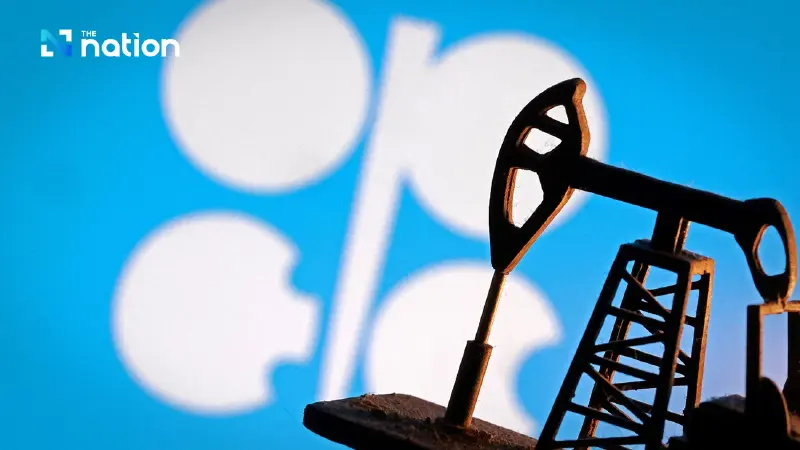


Leading oil producers approve a modest 206,000-barrel boost, but analysts warn that Saudi spare capacity remains trapped behind the Iranian blockade
- OPEC+ has agreed to a modest oil output increase of 206,000 barrels per day.
- The decision is a response to an Iranian blockade of the Strait of Hormuz, which has halted over 20% of the world's oil transit.
- The move's effectiveness is limited as the blockade traps significant spare capacity from producers like Saudi Arabia, preventing it from being exported.
Leading oil producers approve a modest 206,000-barrel boost, but analysts warn that Saudi spare capacity remains trapped behind the Iranian blockade.
OPEC+ ministers have reached a provisional agreement to increase oil production following a weekend of military escalation in the Middle East that has effectively severed one of the world’s most vital energy arteries.
The decision, confirmed by five sources within the alliance on Sunday, follows joint US-Israeli strikes on Iran and subsequent retaliatory measures by Tehran.
The primary concern for global markets remains the Strait of Hormuz, which has been closed to all commercial navigation since Saturday. With over 20% of global oil transit currently halted, the modest increase is seen as a symbolic attempt to calm jittery markets.
The eight key members of the alliance—led by Saudi Arabia and the UAE—agreed to raise output by 206,000 barrels per day (bpd). This figure was the result of a heated debate over options ranging from a conservative 137,000 bpd to a more aggressive 548,000 bpd.
However, industry analysts remain sceptical about the immediate impact of the move. While Riyadh has reportedly been rampaging production in anticipation of the conflict, the physical inability to ship crude out of the Gulf renders much of this spare capacity "stranded."
"The market impact of any OPEC increase will be severely constrained," noted Helima Croft, a veteran analyst at RBC. "Outside of Saudi Arabia and the UAE, there is very little spare capacity, and even they will struggle to export until the Strait of Hormuz is reopened."
The closure of Hormuz sent Brent crude futures climbing to $72.48 a barrel on Friday—the highest level since July. US West Texas Intermediate followed suit, settling at $67.02.
Banking giants, including Barclays and RBC, have warned that a protracted conflict could see prices surge past the $100 mark.
Middle Eastern leaders have reportedly issued similar warnings to Washington, noting that the global economy may not be able to absorb the dual shock of a supply shortage and a logistical blockade.
Sunday’s emergency talks involved the core "eight" members of the OPEC+ alliance: Saudi Arabia, Russia, the UAE, Kazakhstan, Kuwait, Iraq, Algeria, and Oman. This group has been responsible for the majority of production pivots since 2025.
The alliance had previously paused production increases for the first quarter of 2026 due to seasonal weakness; however, the sudden eruption of war has forced a premature end to that strategy as they scramble to maintain global energy security.
