
Heatstroke threat grows as Thailand braces for fierce summer heat
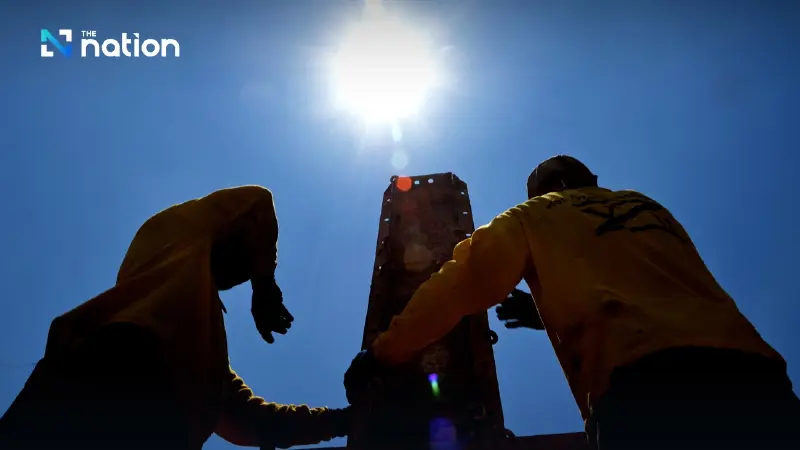


Historical deaths and recent case figures have renewed concern over heatstroke as forecasters warn of prolonged hot to very hot weather across Thailand this summer.
Heatstroke remains a serious and recurring public health threat in Thailand, with deaths continuing year after year as extreme heat worsens. Recent figures show the danger has not eased, reinforcing concern as weather forecasts point to another spell of intense summer heat across the country.
Heatstroke remains a recurring danger
Historical data reflect the scale of the problem, with heatstroke deaths continuing over several years:
- 2018: 18 deaths
- 2019: 57 deaths
- 2020: 20 deaths
- 2021: 18 deaths
- 2022: 38 deaths
- 2023: 37 deaths
- 2024: at least 30 deaths recorded between March and April alone
- 2025: 182 cases and 21 deaths

The figures underscore that heatstroke remains a persistent threat, particularly during periods of extreme heat.
Public health experts say heatstroke occurs when the body can no longer dissipate heat, causing the internal temperature to rise above 40 degrees Celsius. This can lead to vital organ failure and rapid death.
The main risk groups include outdoor workers, older people, young children and those with underlying illnesses such as heart disease and lung disease. Warning signs include extremely high body temperature, red skin, lack of sweating, dizziness, confusion, delirium, seizures and loss of consciousness. Anyone showing such symptoms should be taken to hospital immediately.
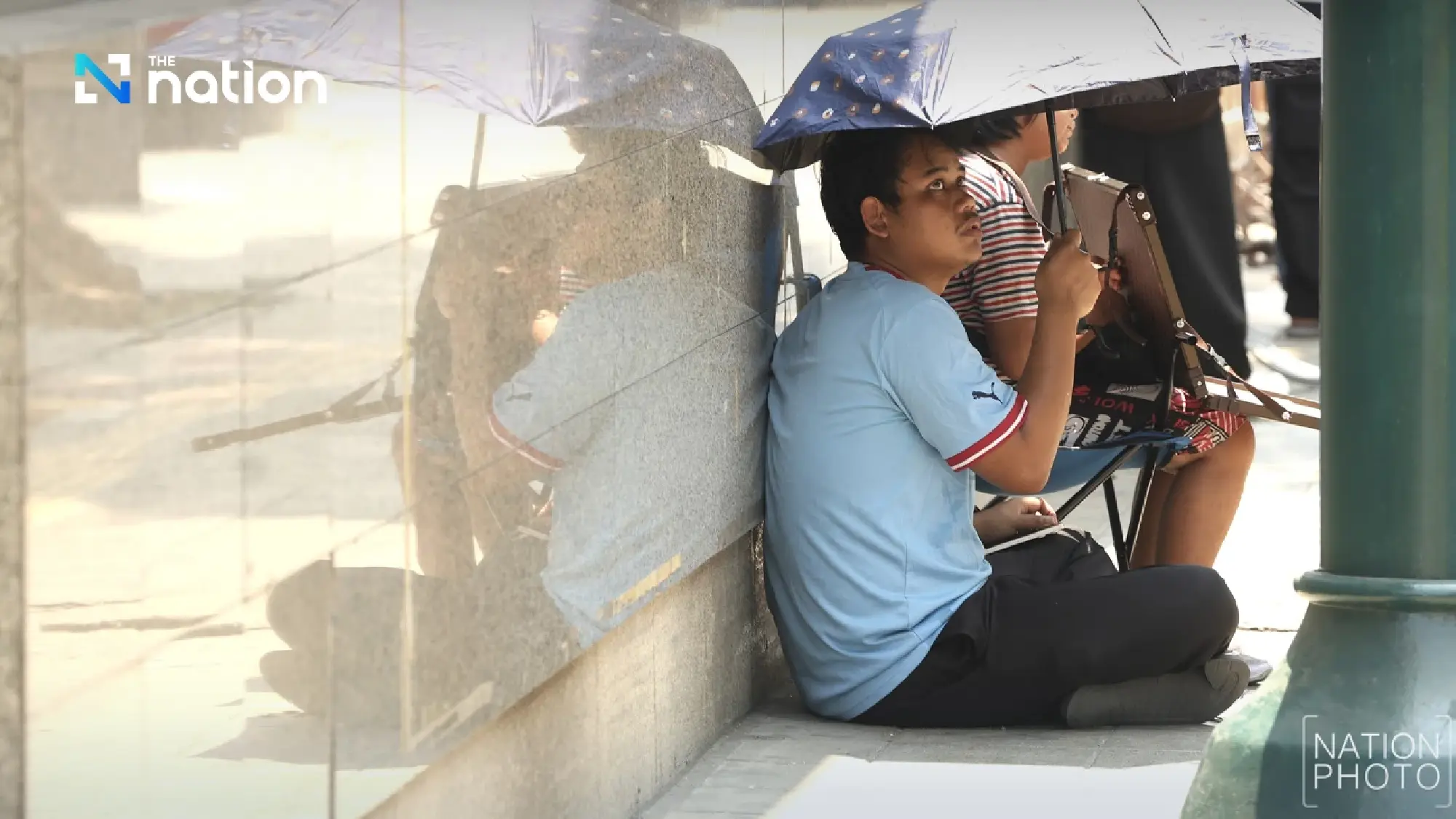

Forecast points to another heatwave summer
The renewed concern comes as weather forecasts indicate another period of severe summer heat in Thailand. With temperatures expected to remain very high in many areas, health risks linked to prolonged outdoor exposure are likely to intensify, especially during the hottest part of the day.
The threat is particularly relevant during Songkran, when many people spend long periods outdoors travelling, celebrating or taking part in water festivities.
Officials urge people to protect themselves
Public health authorities have urged people to take precautions during hot weather by drinking enough water, avoiding direct sun exposure between 11am and 3pm, wearing breathable clothing, and resting in shaded or well-ventilated places.
They have also warned against drinking alcohol, which can increase the risk of dehydration. With hotter conditions becoming more severe each year, even a brief lapse in caution can lead to unexpected loss.
