
Lumpini Park turns Thai aerobics into soft power success story
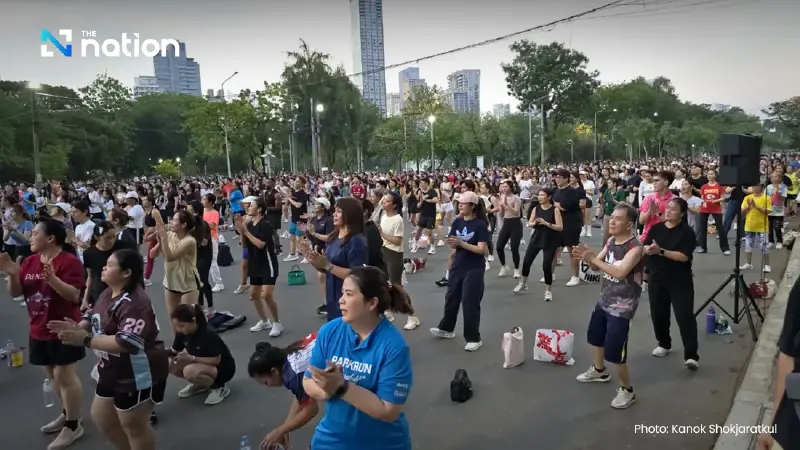


Lumpini Park is redefining Thai aerobics as a smart, social and shareable wellness movement, blending fitness, culture, technology and soft power.
The sight of hundreds of people moving together to music in Lumpini Park is no longer simply an evening exercise routine. It now reflects a major shift across the wider health industry, from working out for appearance to managing health, wellbeing and quality of life.
Today, Lumpini Park is doing far more than serving as a public green space. It is becoming an outdoor wellness platform, bringing together social connection, technology and economic value. The aerobics area, once associated mainly with older participants, is now filled with people from different generations, from office workers to younger visitors engaging both in person and online. The result is a phenomenon that is being widely discussed and shared across social media.
A major turning point came with the involvement of international artist Taeyong, which quickly helped push the image of Thai aerobics on to the global viral stage. It highlights the potential of Thai soft power, showing how a simple everyday activity can be transformed into a cultural experience with international appeal.

Wearable technology brings precision to aerobics
In the fitness industry of 2026, the ACSM survey, now in its 20th year, has made clear that consumer demand has moved beyond exercise alone towards a broader focus on living well. In particular, the active ageing group has become the largest demographic in fitness settings, while Gen Z is driving major spending in the sector through a strong focus on mental wellbeing.
Wearable technology is playing a growing role in shaping exercise patterns. Devices such as smartwatches and biosensors can now track key physical data including heart rate, heart rate variability and sleep quality. As a result, aerobics is no longer just movement set to music, but a more precise way of managing the body’s energy and health.

This trend is driving hyper-personalisation, with exercise increasingly tailored to the individual. Aerobics classes are no longer one-size-fits-all activities. Instead, they have become spaces where people can adjust intensity to suit their own health goals, whether that means weight loss, muscle building or physical recovery.
Another factor significantly reshaping aerobics is the rise of virtual reality (VR) and augmented reality (AR), which are expanding exercise beyond physical locations into digital environments. Users can join dance-based workouts in immersive settings with stronger engagement, while AI systems can analyse movement and provide real-time guidance to improve performance and reduce the risk of injury.
Two generations driving the market
Even as technology becomes more important, the heart of aerobics still lies in music and shared movement. The music in the dance space does more than set the beat; it also lifts mood and relieves stress. Aerobics is therefore evolving into an accessible tool for supporting mental health, especially at a time when many people face ongoing pressure from work and modern life.
From a demographic perspective, the aerobics industry is now being driven by two core groups: active older adults and younger generations, particularly Gen Z and Millennials. The first group sees aerobics as a way to maintain health and everyday mobility, while the second values experience, flexibility and mental wellbeing. This means aerobics classes must now adapt to serve both groups at the same time.

Retro fitness finds new life
At the same time, the trend of retro fitness — including the return of styles such as Jazzercise and step aerobics — is steadily gaining popularity. It suggests that, even in a world shaped by advanced technology, consumers still value simplicity, fun and familiar forms of movement.
Taken together, these trends show that aerobics is entering the era of Smart & Social Fitness. Its defining features include data-driven precision, highly engaging experiences, the use of culture as a value driver, and activity design that is inclusive, sustainable and relevant across all age groups.
