
From Dispensaries to Clinics: Thailand Tightens Medical Standards for Cannabis
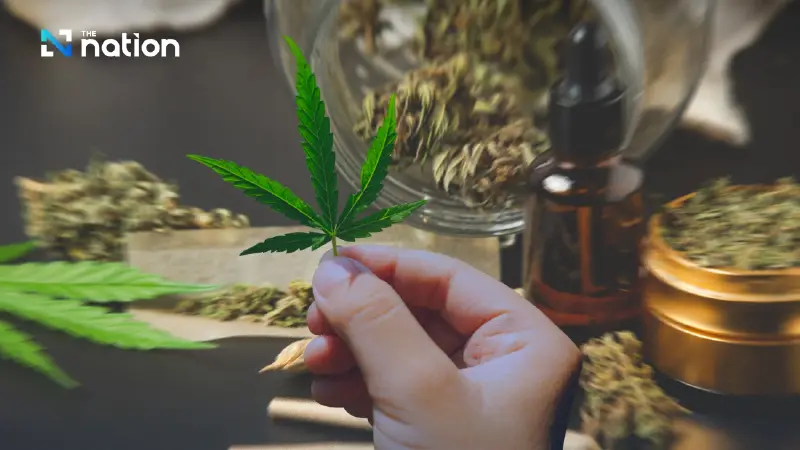


New health regulations mandate that cannabis flowers be sold only in clinical settings, ensuring a transition from "recreational" to "patient-centred" care
- Thailand has restricted the sale of cannabis flowers exclusively to licensed medical venues, such as clinics and certified pharmacies, to shift from a recreational market to a patient-focused healthcare model.
- New regulations enforce strict clinical standards for vendors, including professional hygiene systems, clinical storage, and the mandatory on-site presence of a qualified health professional.
- The government is supporting the new system with digital tools, including a GIS system within an app to help patients locate and verify licensed medical cannabis providers.
- Existing cannabis shops face a multi-year transition period, requiring them to adapt into medical facilities with a resident practitioner by 2028 or face license expiry.
New health regulations mandate that cannabis flowers be sold only in clinical settings, ensuring a transition from "recreational" to "patient-centred" care.
In a landmark move for public health, Thailand has officially enforced new regulations that restrict the sale of cannabis flowers to just three types of professional medical venues.
The law, which came into effect on 30 April 2026, signals the end of the "wild west" era of retail and the beginning of a strictly clinical approach to the plant.
Dr Pongsadhorn Pokpermdee, director-general of the Department of Thai Traditional and Alternative Medicine, described the move as a vital step in elevating "medical cannabis" to a genuine therapeutic standard. The goal is to ensure patient safety while curbing misuse among the general public, particularly youth.
The New Clinical Standard
For health-conscious consumers and patients, the landscape is changing. To purchase cannabis flowers, one must now visit:
Registered Medical Facilities: Established clinics and hospitals.
Herbal Pharmacies: Certified outlets for traditional medicine and herbal products.
Traditional Practitioners: Practices run by officially recognised folk healers.
The regulation introduces strict hygiene and environmental standards. Shops are now required to have professional odour and smoke management systems, and the "open jar" display style is being replaced by clinical storage requirements.
Furthermore, a qualified professional trained by the Ministry of Public Health must be present during all opening hours to provide expert guidance to patients.
Professional Oversight and Digital Safety
To assist the public in finding safe, legal sources for medical treatment, the Ministry has integrated cannabis tracking into the "Moh Prom" Super App. Using the Medical Cannabis GIS (MC-GIS) system, patients can verify the location of licensed clinics and check the validity of a vendor’s credentials in real-time.
A dedicated Medical Cannabis Call Centre (0-2257-7042) has also been launched to provide academic advice and help patients identify authorised prescribing doctors.
The Three-Year Transition
The Minister of Public Health, Phatthana Promphan, recently told Parliament that the transition will be gradual but firm. Of the roughly 12,000 shops currently in operation, thousands will face licence expiry over the next two years.
"The message is clear: these shops must adapt into medical facilities," the minister stated. By 2028, any venue selling cannabis flowers will be required to have a resident practitioner from one of six medical professions on-site.
A Future Rooted in Wellness
While the government has clarified that growing the plant at home for personal use remains legal, the commercial side is now firmly under the umbrella of healthcare.
A new Cannabis and Hemp Act, currently undergoing public consultation, is expected to further solidify these health-first protocols.
The move is seen as a major win for advocates of medical integrity, ensuring that cannabis is used as a tool for wellness and recovery under professional supervision rather than a commodity for recreation.
