
DDC warns 10 Thai dishes may pose liver fluke risk if undercooked
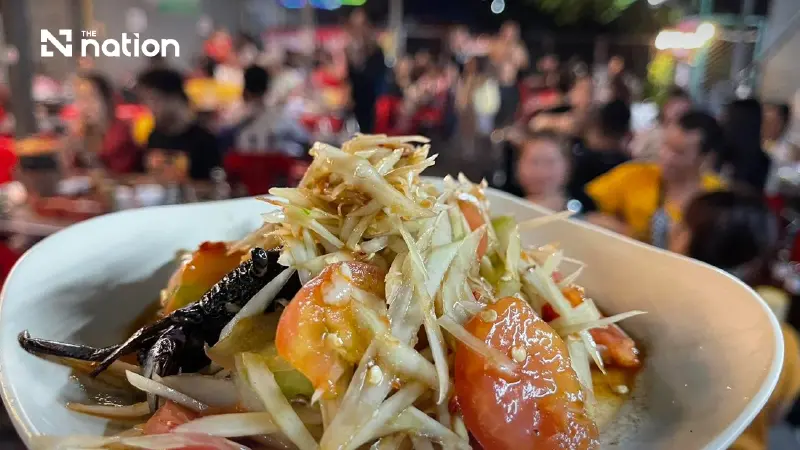


Department of Disease Control warns that raw or undercooked freshwater fish dishes can expose diners to liver fluke infection and raise bile duct cancer risk
Department of Disease Control has warned people to avoid raw or undercooked freshwater fish dishes, saying they can increase the risk of liver fluke infection, a major public health concern linked to bile duct cancer.
The warning is aimed particularly at people who regularly eat traditional dishes made with raw or partially cooked freshwater fish, a food habit still found in several parts of Thailand, especially the Northeast and the North.
According to public health guidance, liver fluke infection is caused by eating raw or undercooked fish carrying parasite larvae. Once inside the body, the parasite can live in the bile ducts and cause long-term inflammation, increasing the risk of cholangiocarcinoma, or bile duct cancer.
Raw freshwater fish remains the main risk
The DDC says people are mainly infected by eating raw or undercooked white-scaled freshwater fish from the carp family. The department’s health materials identify dishes such as raw koi pla, raw fish larb, raw fermented fish, raw pla jom, raw mam pla and raw pla ra as risky foods if not properly cooked.
Health experts also warn against a common misconception: squeezing lime, curing fish with salt, fermenting it or soaking it in fish sauce does not reliably kill liver fluke larvae.
The most effective prevention is to cook freshwater fish thoroughly with heat before eating.
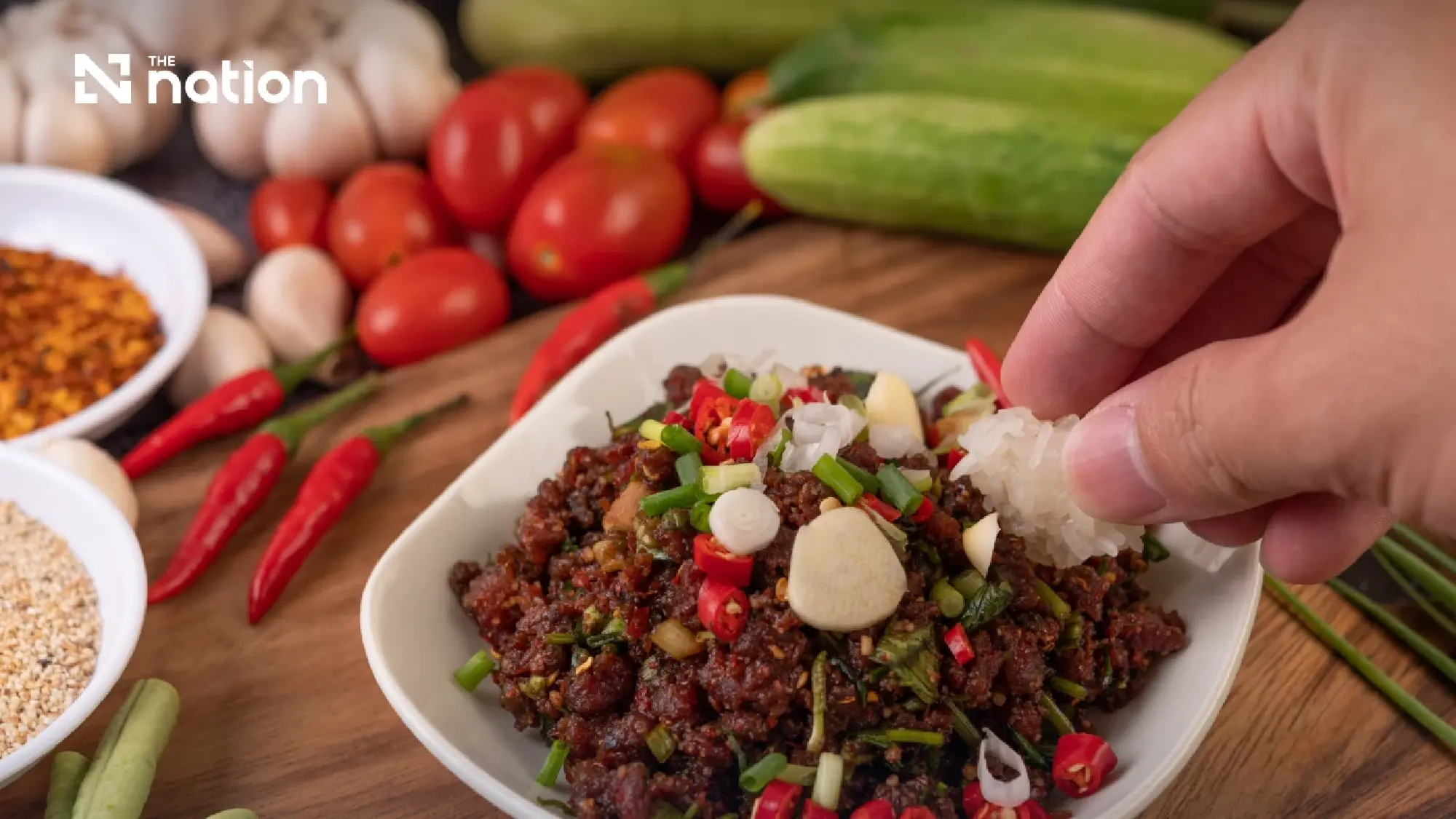

10 Thai dishes to watch if not fully cooked
The warning does not mean these dishes must be avoided entirely. The risk comes when freshwater fish or fermented fish ingredients are eaten raw, undercooked or not heated thoroughly.
Dishes that should be treated with caution include:
Koi pla
A raw minced fish salad often mixed with herbs and seasoning. If made with raw freshwater fish, it is considered one of the highest-risk dishes.
Raw fish larb
Although it contains herbs and spices, the dish can still carry risk if the fish is not cooked.
Raw pla salad or pla-style spicy fish salad
Lime juice may change the texture of the fish, but it does not kill liver fluke larvae.
Pla jom
This local fermented fish dish should be cooked before serving.
Mam pla
Fermentation does not guarantee safety if the dish is eaten without heat.
Unevenly cooked mok pla
Fish wrapped and grilled or steamed may still carry risk if the inside is not fully cooked.
Grilled or roasted fish that is not cooked through
Large fish may look cooked outside while the inside remains undercooked, so the flesh should be cooked evenly throughout.
Raw pla som
Fermentation alone is not enough to remove the risk if the fish is eaten without cooking.
Raw pla ra
Fermented fish should be boiled or heated thoroughly before eating.
Som tam with raw pla ra
The risk increases if the pla ra liquid or fish pieces have not been properly heated.

Freshwater fish named as possible carriers
Freshwater fish that may carry liver fluke larvae include several white-scaled species, including pla khao na, pla kaem cham, pla krasoob, pla soi and other fish in the carp family, according to DDC health materials.
The Thai source also lists several commonly eaten freshwater fish, including pla taphian, pla siew, pla soi, pla kaem cham, pla khao na, pla krasoob and pla mae sadaeng, as fish that should be cooked thoroughly before eating.

Infection may show few early symptoms
Liver fluke infection may not cause clear symptoms in the early stages. Some people may experience abdominal discomfort, loss of appetite or pain under the right rib area, but others may not realise they are infected until eggs are found in a stool test. The DDC advises people at risk to seek testing at a hospital or local health facility.
If infection is found, treatment should follow medical advice. People should not buy anti-parasitic medicine to take on their own without proper diagnosis and guidance.
Public health experts say the key message remains simple: avoid raw freshwater fish, cook fish-based dishes thoroughly, and seek medical advice if there is a history of frequent raw fish consumption.
