
Physically challenged 'lack role models'


Play
MOST PHYSICALLY challenged Thais dare not dream of a bright career as there are very few role models for them to follow, it has been suggested.
When they look around, they usually find the physically challenged working as lottery vendors.
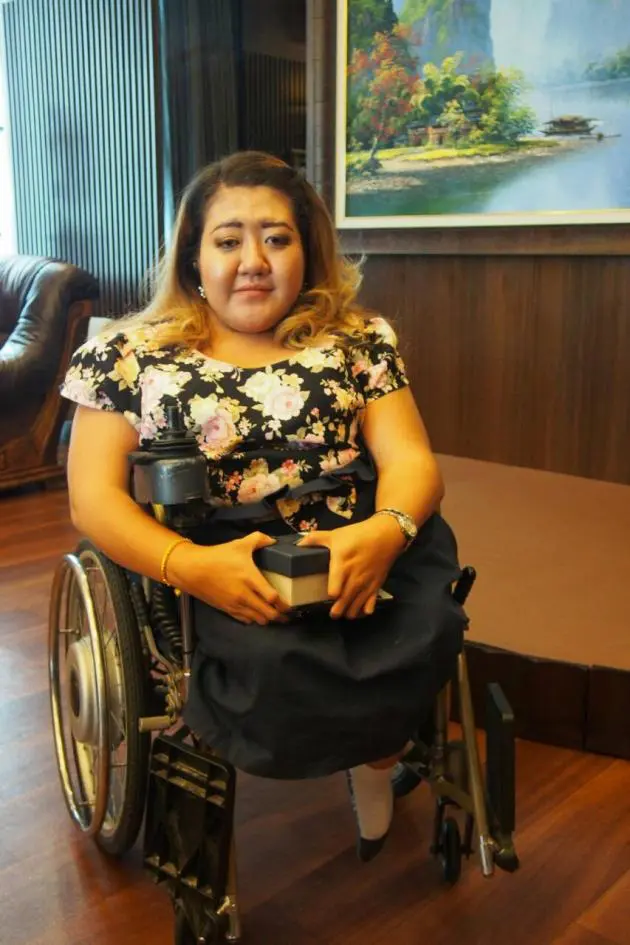
“It’s a factor that explains why people with disabilities generally are not achievers,” Marisa Pongtanapatt said in her capacity as a representative of the physically challenged.
“It’s hard for children with |physical disabilities to find role models.”
She suggested that Thai society should change that norm so physically challenged children could cross the line created by society and have a brighter future.
Speaking from a wheelchair, she voiced her opinions at a small event promoting the need to get physically challenged children to dream bigger.
Participants also discussed how the public and private sectors could empower people with disabilities.
Marisa, now a broker for a US firm, said going to school and meeting friends would encourage physically challenged children to be enthusiastic about learning, trying new things and, most important, practising living a normal life.
There are 1.7 million people registered as physically challenged in Thailand. Of them, 40,000 are under 15 years old, while 48 per cent have a mobility challenge, 16 per cent a hearing impairment, 11 per cent a visual impairment and the rest other disabilities.
Supacheep Didthad, president of the Association for the Physically Handicapped of Thailand, said laws regarding the physically challenged lacked serious enforcement, and that led to protests by concerned groups.
He pointed out that the physically challenged still faced limitations when trying to lead as normal a life as possible, such as accessing public transport.
For the private sector, Dr Ajjima Srethaputr, a senior adviser for Bangkok Dusit Vejchakarn’s executive board, suggested that more employment options should be opened for the physically challenged.
“They can work as cashiers, hospital staff, etc,” she said.
Ajjima encouraged companies to ensure that 2 per cent of their available positions be allocated to this group. “This would increase job opportunities for the disabled.”
She also emphasised that physically challenged children should be given access to education that would better prepare them to be independent.
“At the same time, we should provide guidance to their parents so that they raise their children properly,” she added.
