
Nation U developing 'purple rice'


Play
NATION UNIVERSITY has jumped on the organic produce bandwagon by developing "purple rice".
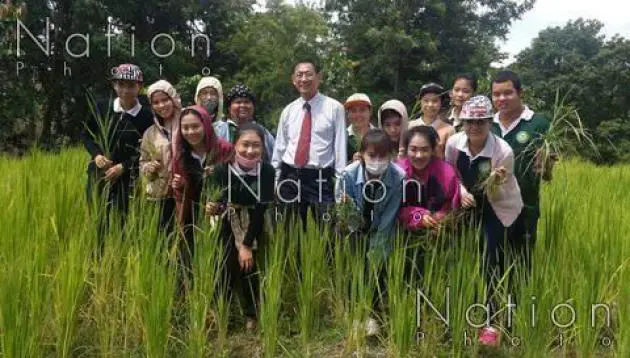
NationU’s Business Incubation Centre recently researched purple rice varieties and will promote the species’ planting by farmers in Lampang’s Mae Tha district by guaranteeing to buy back their harvests.
Asst Professor Pong-in Rak-ariyatham, president of NationU, said recently that the project was in response to the university’s policy to emphasise learning about various occupations and developing a volunteer spirit.
Armed with this knowledge, the new generation could help propel the country’s social and economic development towards strength and sustainability, so the university focuses on research, academic work and innovations that require technology and creativity to develop products while also managing the body of knowledge to elevate the community products’ quality and standards.
It also aims to engender added value for commodity crops and educate its personnel, students and members of the public to become strong and well-trained entrepreneurs.
After selecting the best purple grains with the highest antioxidant level from a variety of strains in the North, the researchers preserved them by growing them on two demonstration plots – one for purple rice and the other for sticky (glutinous) purple rice.
They also encouraged Mae Tha farmers to plant them on pilot plots totalling five rai without using chemicals. At first, the farmers were hesitant, because purple rice was not popular in the market, but the university promised to buy them all back at a high price, so the farmers became more confident and interested in joining in.
The university bought back the one tonne of rice that the farmers produced and then packed the rice into one-kilogram bags for sale.
Next year, the paddy areas will be expanded so that consumers can have more products to choose from. The grains from this project will be raised without chemicals.
This will promote good health for consumers and farmers, while also nurturing a good attitude among young people towards safe food and good relations with people in the community, he said.
Nuansri Rak-ariyatham, a health science lecturer at NationU, said the purple rice that the university promoted was blessed with a high level of antioxidants. Besides steaming it to eat along with other dishes, cooks could make the rice into various sweets, so the university will continue to study processing purple rice into other products for sale.
The university’s chemical- and pesticide-free purple rice is rich in nutrients including carbohydrates, protein, vitamins and bioactive compounds such as phenolic acids, anthocyanin and gamma-oryzanol.
Those nutrients reportedly help slow down cell ageing, boost blood circulation, strengthen the body’s immune system, prevent cancer-causing substances, alleviate diabetes symptoms and control high cholesterol in veins to the heart and brain.
