
Term was first used in the national anthem


Play
THE TERM "pra cha rat" is found to have been introduced to Thai society over 70 years ago in the national anthem, according to Charnvit Kasetsiri, a noted historian and former rector of Thammasat University.
Pra cha rat was adopted to replace “pra cha thip patai” (democracy) in the 1939 version of the national anthem composed by the Army.
There’s no clear evidence to show what the term meant then, but the Army’s rendition, which was a substitute for the version penned by Khun Wichitmatra, was in line with the change of the country’s name from Siam to Thailand, marking a significant shift in national awareness.
“Siam means a kingdom with a king as its centre.
“Its definition weighs on an absolute monarchy regime,” he said.
“Thai means a nation state with Thais as the centre. It also carries a democratic meaning that people are the ones possessing sovereign power.
“This was apparently how pra cha rat was publicly presented to substitute for the words ‘rat cha ana chak’ [kingdom] to deliver the message that a state belongs to the people,” he said.
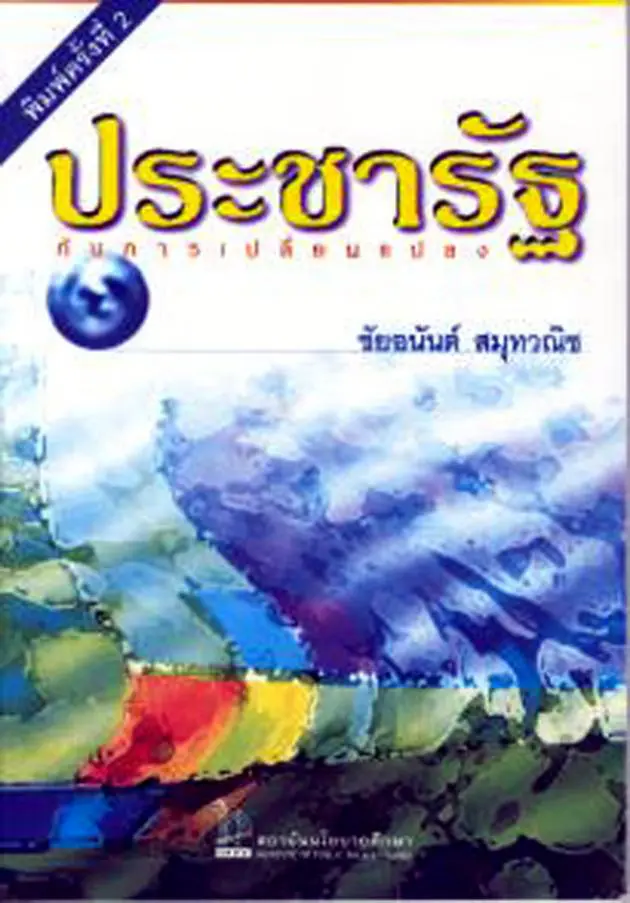
Pra cha rat was used in the national anthem |before being publicly readdressed by Chai-Anan Samudavanija, former president of the Royal Society Institute, in 1998. It was first toyed by him in an academic discussion on the Eighth Economic and Social Development Plan before being addressed in his own book, “Pra Cha Rat and Changes”, one year later.
Chai-Anan said the term applied in his book was coined to refer to cooperation between people and the state in order to achieve sustainable development.
He first referred to the word in English as “civil state” before adopting another word “soctate” as a compound of “society” and “state”.
Pra cha rat has recently been quoted again by Prime Minister Prayut Chan-o-cha to refer to a national policy to stimulate cooperation among the public and private sectors to create sustainability in the economic system.
For a historian like Charnvit, considering the first use of the term in the national anthem, the current concept of pra cha rat as preached by Prayut is rather misused. “Prayut’s pra cha rat is about an economic policy while the anthem’s pra cha rat is more about perception.”
