
Is the 'Arbat' ban a reflection of our double standards?


Play
THAI social media users spent a lot of time this week discussing the ban on the film "Arbat" - and as of late Thursday, a petition on change.org supporting the film had won as many as 100,000 signatures.
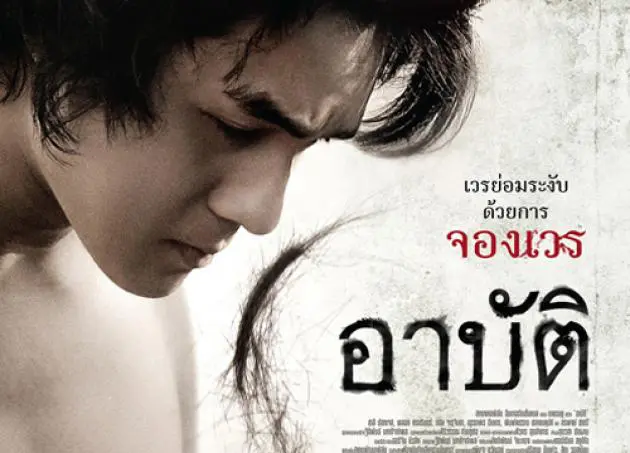
This horror flick is about a novice called Sun, who flirts with a provincial girl and observes other monks violating the Buddhist precepts – which in Thai-language is called arbat.
The authorities decided to ban the film on Monday because they believe this depiction will ruin the image of Buddhist monks, despite the fact that it clearly disapproves of the violation of these precepts. In fact, some people pointed out that monks are worse in real life, while others said the ban was actually promoting the film.
Many social-media users also queried why explicit erotic films like “Mae Bia” and “Jan Dara” could be screened.
@priwpriw: Why can erotic movies be screened? In those cases, nudity is seen as art. But one that reflects reality in society is seen as too harsh and unacceptable. What can cure this kind of logic?
@Tutor_Tom: The media is allowed to report on bad monks, but “Arbat” cannot be screened. Is it because Thai society fears a realistic movie more than reality itself?
@DjFiat: An old monk told me that monks who violate the seela, or monks’ precepts, will have to go to a section of hell saved especially for them. That’s similar to what “Arbat” the movie wants to say.
The creation of the “hungry ghosts” referred to in the film was explained in a promotional tweet by @MajorGroup on October 10.
@Khongsak: The government must stop acting like it’s the world’s measuring stick. A lot of people are knowledgeable in different fields. Plus, the bad examples have never been properly managed.
@iWhale posted two cartoon panels depicting people before and after the film. The first panel shows them saying they did not watch Thai films because they were nonsense, and the next shows them lamenting the ban. The balloon shows the figures saying: “Oh, why did you ban a good film like this? Bring it back!”
@kloffel: Bad people in literature are not purely bad. They are complicated. Do we, as humans, understand them?
On Facebook, Kornkit Disthan wrote that though he disagreed with the ban and revered a lot of monks, he couldn’t talk about a film he had not watched. Instead, he referred to the Thai literature classic “Khun Chang Khun Phaen”, in which the main character Plai Kaew also violates the precepts and flirts with women. “Did ‘Khun Chang Khun Phaen’ destroy virtues? Only Plai Kaew the novice, yes, but the guilt does not belong to the novel itself,” he wrote.
Nelson S Howe posted: I am depressed after I learnt that some people have the power to decide which movies I can’t watch, even if I am almost 80 years old.
“Red Democracy” shared a picture and quoted Por Mor (The Sorcerer), host of the “Jor Khao Teun” TV show, as saying: “Does ‘Arbat’ the film talk about a monk who led a mob, or some people ordained to avoid criminal charges? Was that why they don’t allow the screening as they fear it would hurt the feelings of all Thais?”
On the Thai-language “Oh, This is Clearly Edited” Facebook page, the picture of Sun the novice was swapped with that of Phra Dhammachayo, leader of the Dhammakaya sect, with the tagline changed to: “If you don’t make merit in this life, which life are we going to be rich?”
Some people went one step further and created their own version of the poster and the film title. For instance, one user posted a photograph of Adam Levine and renamed the film “Ar-dam”, while another posted an image of actor Sombat Methanee, and called the film “Ar-Bat”.
@Sila_klm opted for a picture of famous cooking guru Ajarn Yingsak, and titled it “A-Roi” (delicious), while @puppepopanz posted a picture with the title “A-harn” (food). @magic_belle said the one with Prime Minister Prayut Chan-o-cha’s face, titled “A-Tu” (‘Tu’ is the PM’s nickname), was his favourite.
Warat Karuchit said: “I have an idea for a film that exposes evil lecturers with fake PhDs and institutions that “sell” degrees. But I guess it will be banned as education is an key pillar of society, good lecturers can be tainted and the image of Thai education will be damaged, huh? I’m asking will good lecturers be afraid? Don’t let bad people get away.”
Woraphat Phucharoen said: “In the case of “Arbat”, it’s best to take a neutral stance. Don’t take sides. Look into your own heart and mind. Has the [monk] in your heart arbat already?”
Patrix Meesaiyaat, meanwhile, just reminded people of the forum on the Freedom and Limitation of Artists and Reform of the Censorship Board, which will be held today at the Bangkok Art and Culture Centre from 5pm.
On kapook.com webboard, Mahoraan Bigger wrote: “It’s okay. When the pirate DVDs come out, even the monks will buy them.”
