
‘Grassroots Internet fund’ still unable to expand nationwide


Play
ONE of the government’s 200 New Year gifts was a free phone call and free Wi-Fi access to all who wanted to send New Year messages between December 30, 2015 and January 2, 2016. But, many in rural areas missed out on this
Thailand joined the rest of the world in pushing for everybody to have access to telecommunication services in 2005.
On August 3, 2005, the National Broadcasting and Telecommunica-tions Commission (NBTC) announced the criteria and budget for setting up of the Universal Service Obligation (USO) fund. This basic telecommunication infrastructure fund gets 3.5 per cent of the annual income of operators who have obtained telecommunication licences.
This means firms with frequency concessions to operate cellphone or IT network business have to present their account books before paying NBTC 3.75 per cent of their net income in fees so the USO can give rural villagers access to phone signals and the Internet. This is why the fund is also known as “the grassroots Internet fund”.
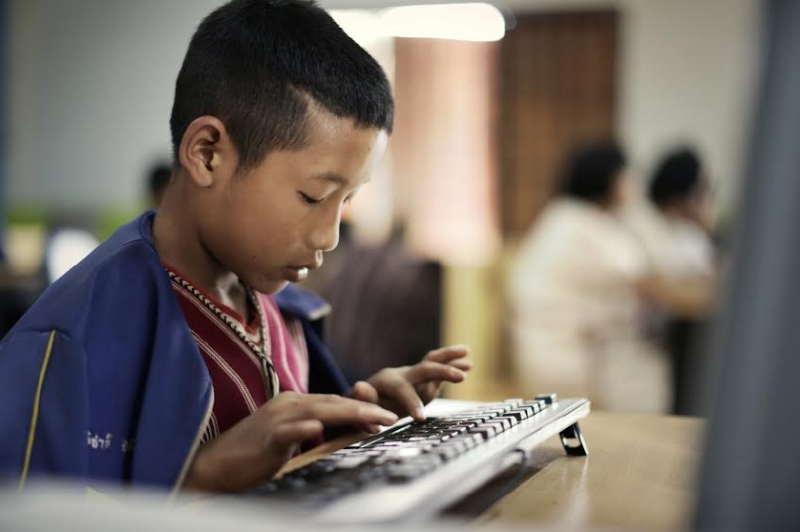
The USO currently has about Bt20 billion in reserve and has implemented a three-phase action plan. In the first phase (2005-08), USO installed public phones and handed out phone cards to the disabled, elderly and low-income people, while in the second phase (2009-10) it built USONet or telecentres at schools and communities.
In the third phase (2012-16), the fund has been collecting fees from business operators to initiate a fibre-optic cable network to provide Internet access to at least 2,500 sub-districts and border schools covering at least 500,000 people.
USO has invested Bt1.5 billion to build USONet or telecentres at 250 schools, 377 communities and 40 other locations for the underprivileged and disabled persons.
USO also spent another Bt500 million in projects for the physically challenged, such as the Digital Accessible Information System (Daisy) for the Blind, which includes “talking libraries” and a 1414 hotline for Daisy users to listen to books being read on the phone.
The USO also launched the Thai Telecommunications Relay Service (TTRS) last August in collaboration with the Universal Foundation for Persons with Disabilities to facilitate people with hearing and talking disabilities to communicate with others.
TTRS also facilitates communication with public offices through online interpreters. Some 180 TTRS public booths will be set up nationwide by 2017.
However, judging from the fact the USO has Bt20 billion in reserve, many are worried that it has only used Bt2 billion so far and not achieved its target of expanding the “grassroots Internet” access.
USO Bureau director Wares Borvonsin said that since 2012, the fund has collected about Bt23.216 billion, but things slowed down since the National Council for Peace and Order (NCPO) took over.
He said the Finance Ministry also borrowed Bt14.3 billion from the fund on May 26, 2015 to repay a loan it had taken for urgent water-management and road-transport projects.
“The remaining Bt9 billion should be enough to propel an all-access basic telecommunication service, but we just have to wait for an approval from the government and the NCPO to resume work,” Wares added.
Kamolrat Intaratat, chairperson of the Asia-Pacific Telecentre Network, said the USO budget’s key purpose is to create a balance in people’s access to telecommunications. She said that most countries collect fees of 3 to 5 per cent from operators to implement projects that boost citizens’ knowledge and skills to use and access basic telecom infrastructure.
“This is like returning to society. The country is in an age of new media where people use information communications technology [ICT] as part of their daily lives. Hence, telecommunications network services like mobile phones, Wi-Fi and Internet should not be limited to city dwellers or urban people, but should also cover rural residents, the elderly, the disabled and ethnic minorities,” she said.
She said many Thais still do not know about USO, and that was why it should not be managed by a single agency or just the NBTC. Other groups working with the underprivileged should also be allowed to participate, such as the Social Development and Human Security Ministry and educational institutes, to ensure the money is used to truly and effectively benefit all groups of people, she said.
