
Royal photo collection now a Unesco ‘Memory of the World’
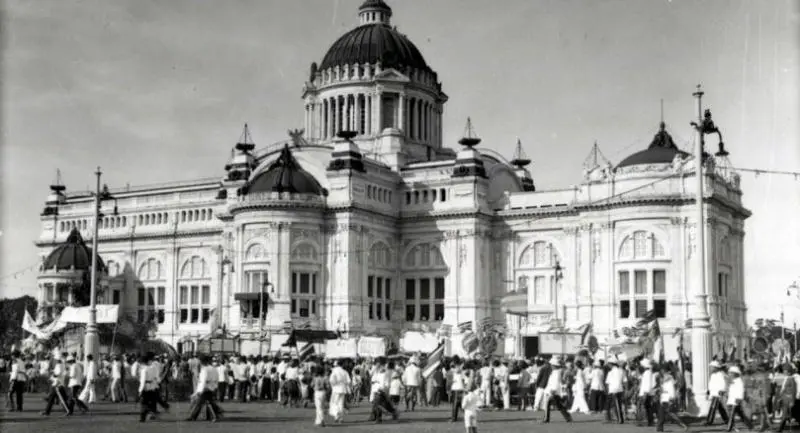


A collection of century-old royal photographic glass-plate negatives and original prints recording the old Siam has been designated this year’s “Memory of the World” by the United Nations Educational, Scientific and Cultural Organisation (Unesco).
The Royal Collection holds almost 35,427 glass plate negatives and 50,000 prints, covering a long and continuous period from 1855-1935, Culture Minister Vira Rojpojchanarat announced on Wednesday night.
The collection was previously preserved in three separate royal libraries of the original owners - King Chulalongkorn, King Vajiravudh and Prince Damrongrajanubhab, King Monkut’s son.
In 1977, they were given over to the care of the National Archive in Bangkok. To date, 24,800 plates have been scanned for digital use, and 4,149 plates have been included in the national database.
The Unesco website trumpets the Collection for documenting the important transformations underway in Siam at a time of massive worldwide change. The collection depicts “national(ly) and international(ly) important personalities, places, and events, from the age of western colonisation in Asia which prompted Siam to examine its national identity and to reform its society – through the years of the First World War when Siam sided with the Allies and shared the victory, and the aftermath of the war including the worldwide political, social and cultural changes – affecting Siam and leading to the dawn of its constitutional monarchy.”
The royal collection is the fifth heritage archives from Thailand recognised by Unesco. Previous honours include the archival documents of King Chulalongkorn’s transformation of Siam (1868-1910), epigraphic archives of Wat Pho, The King Ram Khamhaeng inscription, and the “minute books” of the Council of the Siam Society – 100 years of recording international cooperation in research and the dissemination of knowledge in the arts and sciences.
