
Number of hotspots in North plummets this year but Cambodia, Laos spark smog warning
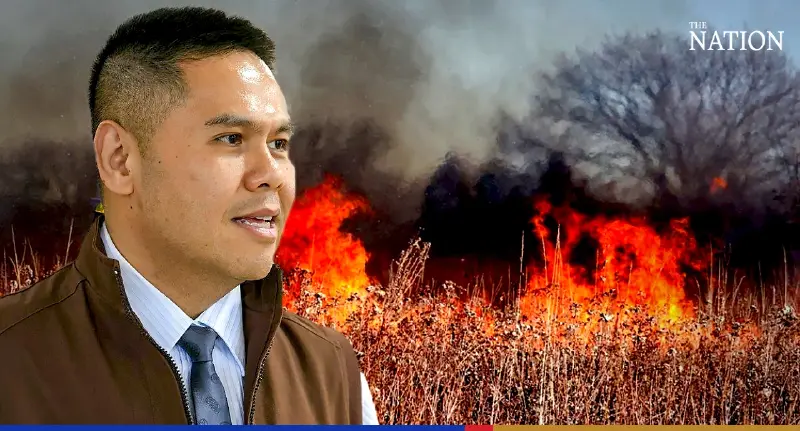


Satellite images show forest fires that normally blanket the North in haze have dropped sharply during this year’s burning season. The images revealed 3,717 hotspots in northern national forests from January 1 to March 8 – more than four times fewer than the 17,289 hotspots in the same period of 2020, and 25,770 hotspots in 2019, said the Pollution Control Department (PCD) on Thursday.
“Hotspots indicate either forest fires or the burning of crops or weeds by people living near national forest areas, which are a major source of air pollution including dust, smog and PM2.5, explained PCD director-general Atthaphol Charoenchansa.
He added that the PCD has been working with local communities to persuade northern farmers to stop burning their fields after harvest while constructing firebreaks around national forest areas that are prone to fire.
However, the PCD chief warned that smog from Cambodia and Laos could soon enter Thailand’s East and Northeast regions. His department has complained to Asean’s Secretariat, which said it has notified Cambodia and Laos of the problem, he said.
Thailand’s burning season runs from January to March, when large areas of the North including Chiang Mai suffer high levels of smog.
The PM2.5 situation can be followed at Air4Thai.com or via the Air4Thai mobile app.

