
Family Business eyes stronger ties with Starwood


Family Business Group (FBG) is exploring opportunities to develop more hotels in Myanmar with the belief that success is at hand thanks to the country's robust tourism sector and ties with US-based Starwood Hotels & Resorts.
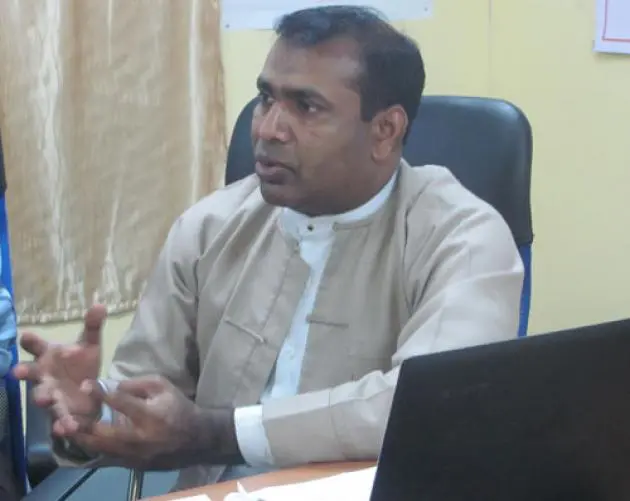
Ko Ko Latt, FBG’s chief executive officer, said Mandalay, Bagan and Chuang Tha Beach are the most promising sites for new properties, after the first one in Yangon. Last week, the group unveiled a plan to build a US$50 million hotel, which will be branded Sheraton Yangon. It is scheduled for completion in 2017.
According to the executive, the next Sheraton hotel may be built in Chaung Tha Beach, which is about a 5-hour drive from Yangon. FBG has already acquired a 8.23-acre plot of land for the project. Pending Starwood’s approval, the hotel is expected to begin operations after 2016.
“We are conducting market research on the number of visitors, how many on leisure trips and how many on business trips, and how much they spend,” he said.
Located in Tamwe Township near Kandawgyi Lake, Sheraton Yangon – the 73rd property under the brand in the Asia Pacific - will feature 375 rooms and large function rooms, targeting mainly business travellers. Designed by British architects, the building is under the supervision of local engineers, while Starwood’s engineers were on the site twice a month for inspection.
According to the company, lengthy negotiation took place before Starwood agreed to ink the business contract.
“We negotiated all our efforts to bring in the Sheraton brand since there is no such brand whatsoever in Myanmar so far. The signing is a remarkable milestone for the hotels and tourism sector here,” said Aung Than, president of FBG.
Ko Ko Latt added that it is very difficult to win a good operator for excellent hotels. Starwood agreed to come only when the US government lifted most of the sanctions against Myanmar. The company brought with it the oversight on the ownership, requiring information on the owners and their relationship with the military and government officials. It also conducted an extensive study into the project’s sources of funding and into the other business ventures of all shareholders.
“It took more than a year for them to study our details and background information,” he said.
Starwood also provided anti-corruption training to the firm’s 19 shareholders and directors.
Lothar Pehl, senior vice president of operations and global initiatives for Starwood Hotels & Resorts Asia Pacific, said in a statement that the signing reflects the brand’s commitment to expanding the Sheraton global portfolio through strategic relationships with owners and developers in mature and emerging markets.
“Touted as Asia’s final frontier, Myanmar presents immense potential for rapid growth, and we are excited to share our engaging brand programming and innovative social spaces with the burgeoning nation,” he said.
The Yangon hotel is expected to create 3,000 jobs in the hotel and related services, 90 per cent to be awarded to locals, said Ko Ko Latt.
He said the hotel opening would coincide with the exciting period of changes and development in Myanmar. To him, hotel development has not yet reached its saturation point.
“We hope that Myanmar will welcome about 5 million tourists in 2017. It is therefore perfect timing to open our hotel. As for business travellers, they would say, ‘Sheraton is there. Why are we not going there?’ So it is also very good for the country to have Sheraton on the ground,” he said, adding that Starwood’s first move will stimulate other US firms to enter Myanmar.
“The industry outlook is very bright. Even in the rainy season, all hotels in Yangon enjoy over a 50-per cent occupancy rate. At the time of our launch, there will be a lot of hotels in Yangon, but we will compete through services. Whoever can provide the best services will win more travellers.”
Ko Ko Latt said the firm would expand its business depending on market demand. He insisted that all future projects with Starwood will be under management contracts. If the firm needs more funding for business expansion, it may borrow from local banks, not from foreign banks.
