
Vietnam firm eyes transferring sugar mill in Laos
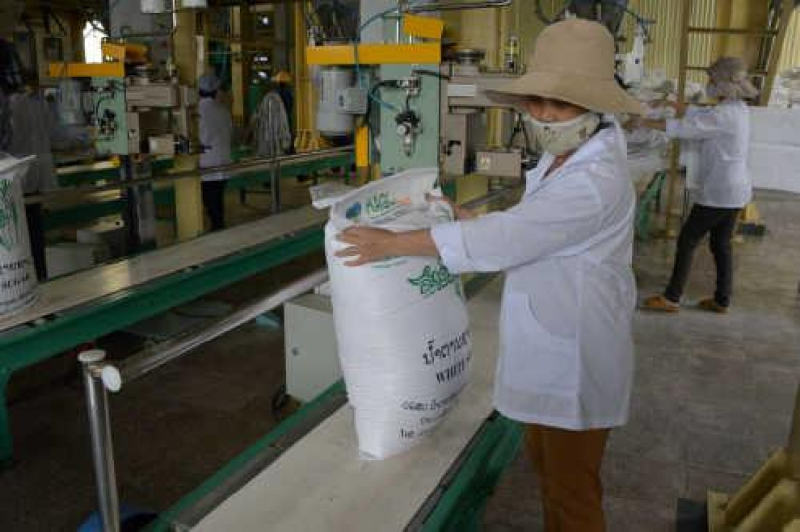


HOANG ANH Gia Lai Group (HAGL) has finally confirmed it is negotiating with another Vietnamese company, Thanh Thanh Cong, to transfer its sugar mill in Laos to TTC, Vietnamese media reported this week.
TTC is known as the leading Vietnamese player in the industry as it holds a controlling stake in many large sugar companies, including Thanh Thanh Cong Tay Ninh, Gia Lai Hydropower Sugar, Bien Hoa, Ninh Hoa and Phan Rang Sugar Company, Vietnamnet reported.
HAGL has 6,000 hectares of sugar cane in Laos, with favourable conditions that allow yields of 120 tonnes per hectare.
Article 65 of Laos’ Investment Promotion Law permits investors to hand over, transfer, withdraw or increase capital of their enterprises. The law’s Article 75 also states that shareholders can also be changed.
Vietnam Breaking News (VBN) reported on Wednesday that HAGL might sell the plant to TTC partially or wholly.
The two parties were expected to inform their shareholders of the planned deal some time next month.
HAGL used to sell raw sugar produced at its plant in Laos to TTC for refining. At present, HAGL exports part of its output from the Laos sugar plant into Vietnam for sale, and volume stood at 50,000 tonnes last year.
This year, the Vietnamese Industry and Trade Ministry had set an import quota of 30,000 tonnes of sugar from Laos and the figure will remain the same in 2017, according to VBN.
In 2013, HAGL said it would invest US$19.1 million in a sugar-cane farm in the neighbouring country. Its sugar mill has a daily capacity of 7,000 tonnes.
According to HAGL’s financial report announced on August 23, the company racked up losses of more than 1.07 trillion dong (Bt1.68 billion) in the first six months of this year. In the same period last year, it reported a profit of 1.04 trillion dong.
The company, which has invested in various fields in Laos, recently reported that it might sell 20,000 hectares from 40,000 hectares of rubber plantation in Laos to Chinese partners in the event its proposed debt-restructuring plan falls through. HAGL has been plagued by financial woes over its loss-making agricultural arm, Vietnam’s Tuoi Tre News reported last month.
HAGL has received support from the State Bank of Vietnam on its proposed bailout solutions, but the plan still needs the final approval from the government.
