
Fervour in Philippines as election campaign reaches climax
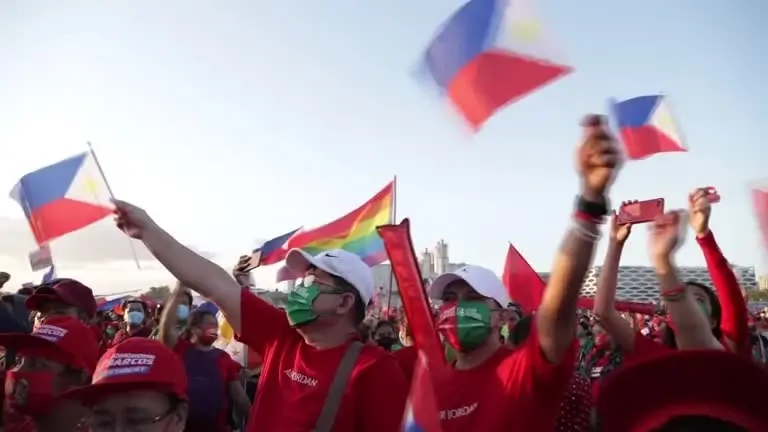


Philippines presidential candidates geared up for final rallies on Saturday (May 7) to galvanise support and win over undecided voters, two days from an election plagued by misinformation campaigns and the rekindling of a bitter rivalry dating back decades.
The election on Monday (May 9) puts Vice President Leni Robredo against frontrunner Ferdinand Marcos Jr, the son of the notorious late dictator who ruled the Philippines for 20 years.
The two embody a political chasm that has existed for more than four decades, with Robredo's roots in the movement that led a 1986 "people power" uprising that toppled the elder Marcos, and Marcos Jr on the cusp of an almost unthinkable return for the once disgraced first family.
Crowds of hundreds of thousands massed in the Philippines on Saturday where the leading presidential candidates made a last-ditch bid to sway undecided voters with patriotic, upbeat messages after a divisive election race.
If opinion surveys are accurate, Robredo, 57, will need a late surge, or low turnout to win the presidency, with Marcos, a former congressman and senator, leading her by over 30 percentage points, having topped every poll this year.
Up to 65 million Filipinos are eligible to cast ballots on Monday to decide on the successor to President Rodrigo Duterte after six years in power, plus thousands of other posts, from lawmakers and governors to city mayors and councillors.
Monday will be a rematch of the 2016 vice-presidential election which Marcos had also looked set to win, before losing by just 200,000 votes to Robredo. He fought hard to overturn the result, which the Supreme Court upheld. Voting for the President and Vice President is held separately in the Philippines.
