
SAVING THE CHILDREN


Play
The Thai Maternal and Child Health Network Project helps Narathiwat Rajanagarindra Hospital in taking care of mums and their babies
For almost a decade, the southern province of Narathiwat has been in the news almost daily, as bomb blasts, insurgent attacks and shootings continue to cast an indelible stain on the area’s reputation.
Civil unrest aside, Narathiwat also has the sad honour of having Thailand’s highest rate of death among premature babies, the result of its people still lacking adequate knowledge and understanding of prenatal self-care.
In 2009, there were 598 critical premature babies born in Narathiwat. By 2011, that figure had risen to 1,051. The number by mid-2012 stood at 1,081. The current hospital cost for delivery and care of a premature baby can be as high as Bt100,000.
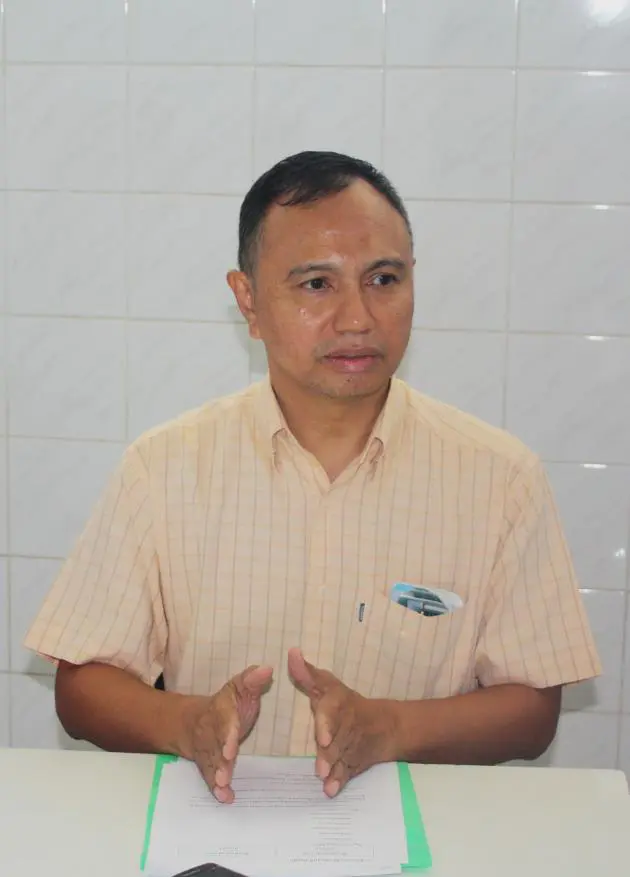
Narathiwat Rajanagarindra Hospital, the main government facility in the province, has long been ill equipped to handle the workload. Dr. Jeaiddress Duereh, head of the hospital’s Ob-Gyn work group, explains that repairs to worn and broken equipment often cannot be made as the violence has made the repair specialists people too scared to come south. “Replacements are often left in Hat Yai. We need to pick it up there ourselves. At the moment, we need life-saving devices and surgery equipment.”
The situation prompted the hospital to sing up for participation in the Thai Maternal and Child Health Network Project under the royal patronage of Princess Srirasmi, the Princess Consort of the Crown Prince, which has been managed by Associate Professor Dr Tharathip Kolatat and Chantima Charastong since 2007.
The project does not just provide financial aid, but also offers new concepts of knowledge management. Project managers provide consultation and help identify problems so that they can be better resolved.
Today, many parties are helping to solve the problem. Village volunteers help spread the information to communities, with the Hospital Health District acting as base. Well-trained staff are available to register pregnant women for prenatal care. In addition, the Tohbeedae, well-respected locals who act as traditional midwives, have joined the network to persuade patients to get prenatal care and learn to take better care of themselves.
In cases of emergency, such as for those who live in remote areas and are without access to transportation, or who unexpectedly find themselves about to give birth, the traditional midwives will be with the mothers and report over the phone. If the mother is in critical condition, Narathiwat Hospital will send out its emergency van to fetch the patient.
The hospital has established treatment standards and is taking an aggressive approach, providing care information from the teenage years on. There is also Muslim premarital training.
“The government’s expenditure will go down and if we do good preventive work, the risks will go down too. It is better than only buying expensive medical equipment. The expenses are high, everybody is tired, and the problem is unending. What we need from the project is a strategic plan. That will let us hit the right target, bringing good results,” says Dr Jeaiddress,
Sunee Aaruesa, 37, has been told by doctors that her baby could well be born prematurely. The nervous mother-to-be is getting prenatal care locally, at Kok Kian Hospital Health District “I don’t have to travel to go to Narathiwat Rajanagarindra Hospital. There are also a lot of patients there so I would have to wait for a long time. It would take me the whole day and now I can’t get leave from work very often either. It’s good to have this Hospital Health District. They provide both pre and post delivery services.
They follow up and make sure both the mother and the baby are in good health.
The doctors and the nurses here are great,” she says.
Associate Professor Dr Thrathip Kolatat is the director of the Thai Maternal and Child Health Network Project.
