
Bangkok’s City Pillar Shrine anchors the spiritual heart of the city
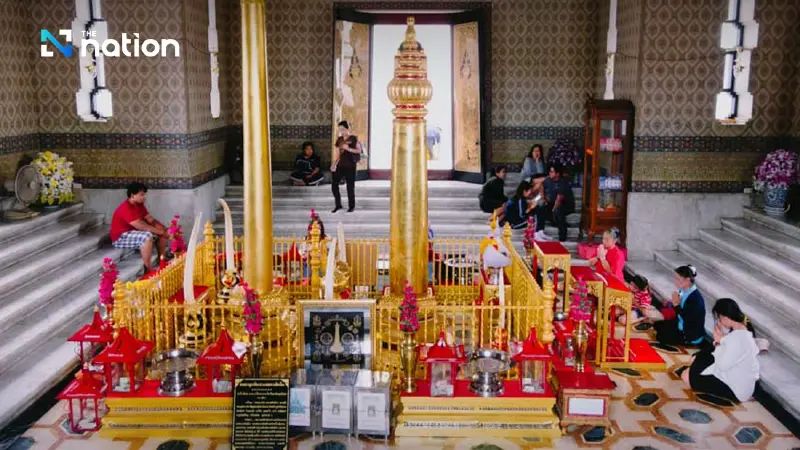


Bangkok’s City Pillar Shrine, known in Thai as San Lak Mueang, is more than just a historical site; it is the spiritual anchor of the city. Symbolising protection, prosperity, and cultural continuity, the shrine draws locals and visitors alike who wish to connect with Thailand’s rich heritage.
The soul of Bangkok: What is a Lak Mueang?
In Thailand, a Lak Mueang is a sacred city pillar placed at the heart of each city, representing the city’s soul.
While many countries have city halls as administrative centres, Thailand gives its cities a spiritual foundation. The City Pillar Shrine is where culture, history, and religion converge.

A pillar with a prophecy
The shrine’s story begins in 1782 with King Rama I, who founded Bangkok. The first city pillar was made from the sacred Cassia javanica tree, known locally as Chaiyaphruek.
During its installation, four small snakes slithered into the hole and died, a warning interpreted by the king as seven years and seven months of turmoil for the city.
The prophecy came true with conflicts against the Burmese, including the notorious Nine Armies’ War (Songkram Kao Thap, 1785–1786). Despite these trials, the pillar endured as a symbol of Bangkok’s strength and resilience.

Renewal under King Rama IV
By the reign of King Rama IV, the original pillar had begun to deteriorate. He ordered a new pillar made of teakwood, a material long associated with divine protection, and commissioned a new pavilion to house it.
Designed in the style of a prang reminiscent of Ayutthaya, the pavilion elevated the shrine’s prominence and sacred status.

Guardian deities of the city
Today, the City Pillar Shrine is home not only to the pillar but also to five guardian deities: Phra Seu Mueang, Phra Song Mueang, Phra Kalachai Sri, Chao Phor Jettakup, and Chao Phor Hoklong.
These spirits are believed to protect the city, bring prosperity, and ensure peace for Bangkok’s inhabitants.
Many visitors come to offer prayers, seeking blessings for business success, safety, and well-being.
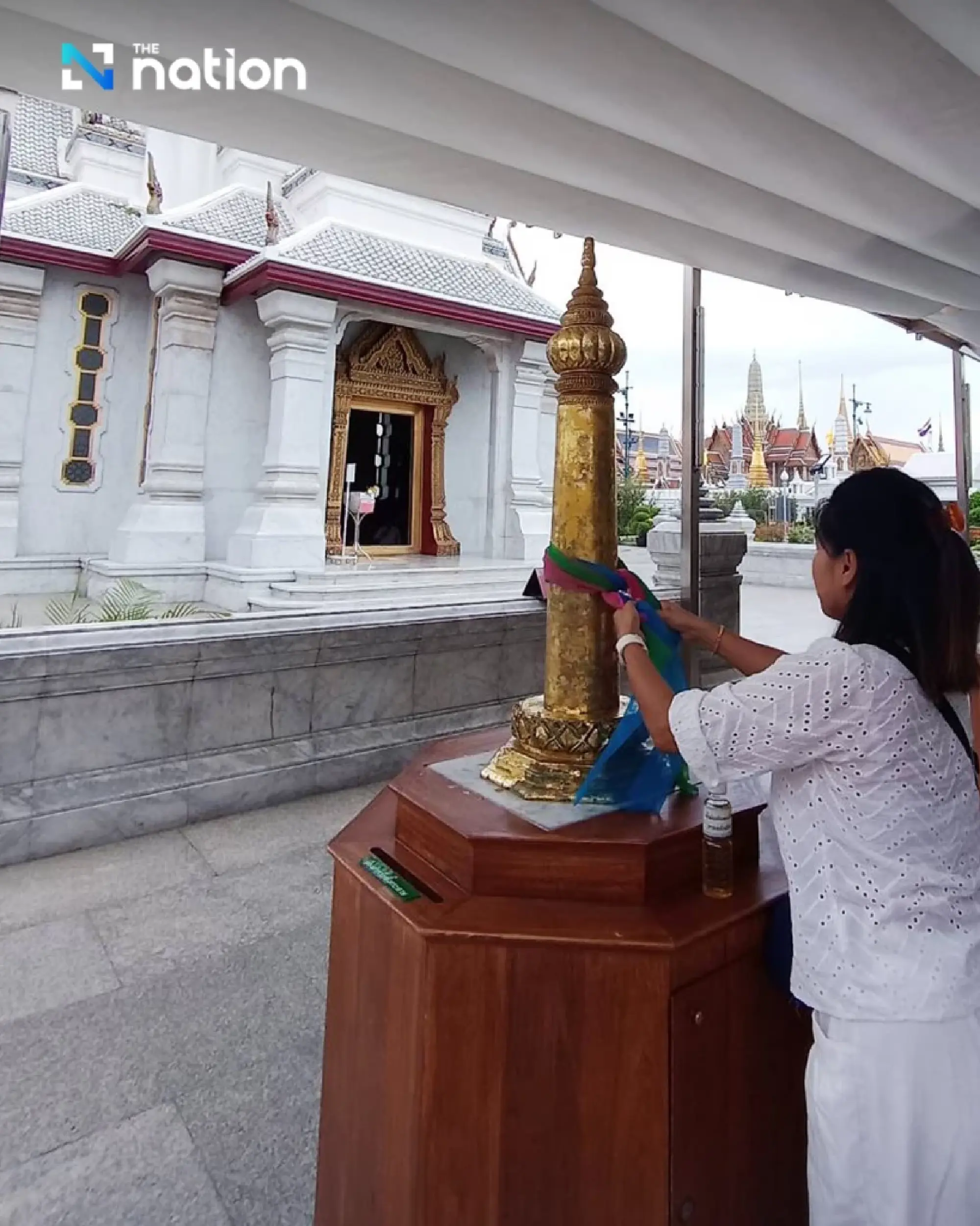

A tradition across Thailand
The tradition of city pillars extends beyond Bangkok. Similar shrines can be found across Thailand, each serving as the spiritual foundation of its city.
Though designs and deities may vary, the purpose remains the same: to safeguard the city, honour its history, and preserve cultural continuity.
Visiting the shrine is more than sightseeing; it is a journey into the heart of Bangkok itself, a reminder of the enduring traditions that shape Thailand’s identity.

