
When Siam had ten months of summer


A 17th-century French diplomat recounts Siam’s unrelenting summer
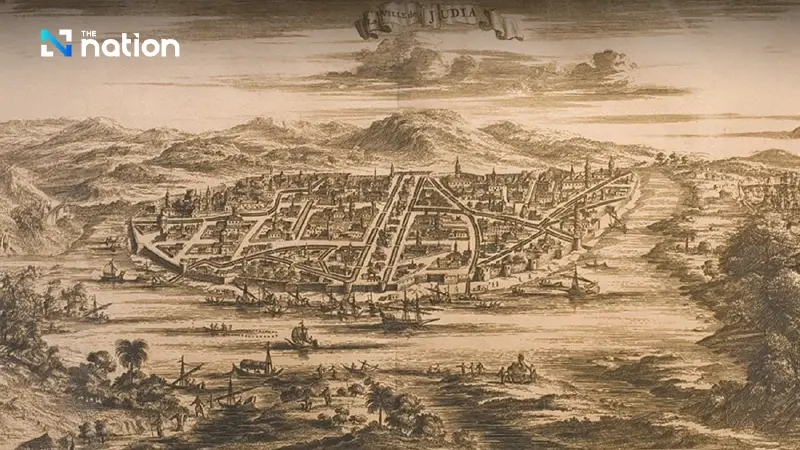
When Simon de La Loubère arrived in Ayutthaya in 1687, the tropical heat must have felt unrelenting. He was sent by King Louis XIV as an envoy to King Narai’s court. He became a curious observer of everything around him.
His impressions were later published as A New Historical Relation of the Kingdom of Siam in 1691. The book remains one of the most detailed Western accounts of Ayutthaya’s golden age, as it explains daily life, beliefs, and the natural world of Siam.
Among his many notes, his record that Siam had “ten months of summer.”
“The two first months, which answer almost to our months of December and January, do make their whole winter; the third, fourth, and fifth, do belong to their little summer, the seven others to their great summer,” La Loubère wrote.

To him, only December and January felt remotely cool. The rest of the year, he believed, was one long stretch of heat.
Coming from temperate France, he made sense of Siam’s monsoon climate using the seasons he knew best, summer and winter.
Besides noting the long summers, La Loubère also described how Siam’s heat shaped daily life and agriculture, explaining the land’s fertility depended on seasonal floods, with rice thriving after the rains.
He also observed how the people’s routines adjusted to the climate, working early, resting through the hottest hours, and living lightly clothed.
Historians said But La Loubère’s remark shows how Europeans first tried to understand life in Southeast Asia, translating the unfamiliar through their own eyes.
