
Muay Thai, Thai food and arts anchor Europe growth strategy
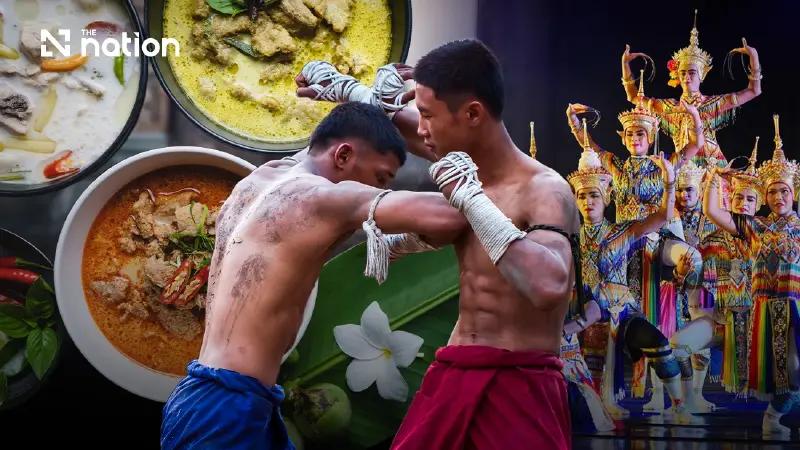


More than 4,000 Muay Thai gyms now operate across Europe as Thailand moves to turn sport, food and performing arts into economic value
Thailand is stepping up efforts to convert its cultural influence into economic opportunities in Europe, with Muay Thai, Thai cuisine and traditional performing arts at the centre of a broader soft-power strategy.
Government spokeswoman Rachada Dhnadirek said the administration was working with several agencies to develop Thai culture as an economic asset capable of supporting business, trade, tourism and employment.
Europe has become a priority market because of its strong purchasing power and growing interest in Thai culture, prompting the government to seek a more coordinated approach to promoting Thai goods and services internationally.

Muay Thai gains ground across Europe
Muay Thai has emerged as one of Thailand’s strongest cultural exports, with approximately 4,000 gyms now offering training across Europe, according to figures cited by the Sports Authority of Thailand.
The expansion is creating demand for Thai instructors, training equipment and related sporting services. It could also support sports tourism by encouraging overseas practitioners to travel to Thailand for further training.
The Department of International Trade Promotion has already organised promotional events in Germany and Switzerland featuring renowned fighter Buakaw Banchamek.
More than 530 people took part in Muay Thai training activities, while the events attracted around 20,000 visitors.
Thailand is also seeking to improve standards among overseas training facilities through the Standard Muaythai Gym, or SMG, certification programme.
As of November 2025, 138 gyms worldwide had received certification under the scheme.
The initiative is intended to strengthen confidence in the quality of Muay Thai instruction abroad while creating further opportunities for qualified trainers and Thai sporting businesses.

Thai SELECT supports global food expansion
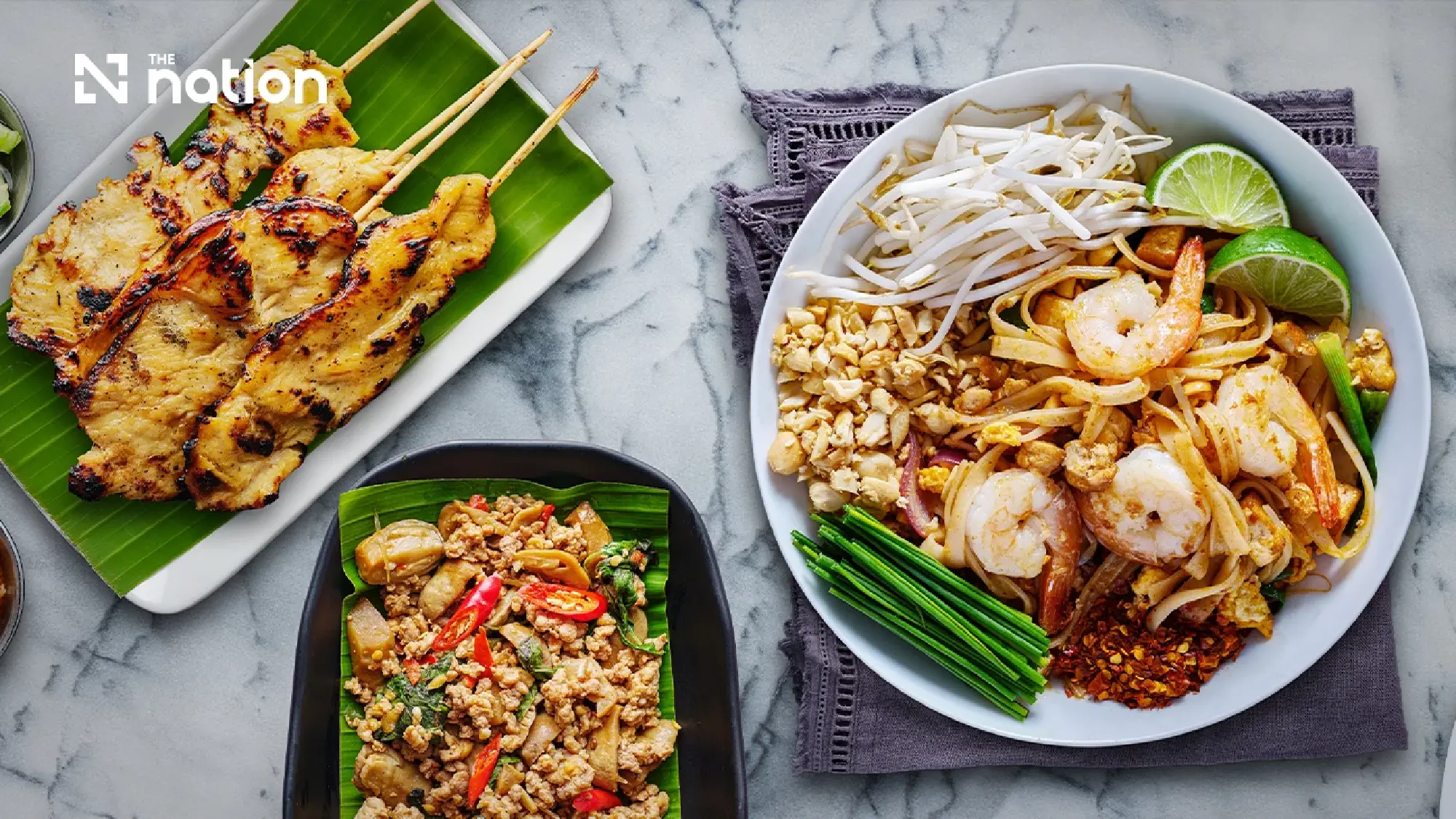
Thai cuisine forms another major part of the government’s soft-power drive.
The Thai SELECT certification mark is being used to identify restaurants that meet recognised standards of authentic Thai cooking and quality.
More than 1,500 restaurants in 72 countries have received the certification, helping to strengthen consumer confidence while supporting demand for Thai ingredients and food products.
Thailand’s food exports are expected to reach 1.4 trillion baht in 2026, according to the National Food Institute.
Exports to the European Union are projected to grow by 15.9%, the second-highest expansion rate after South Asia, reflecting increasing European demand for Thai food products.

Nora showcased in the Netherlands
Thailand is also using traditional performance to deepen cultural awareness overseas.
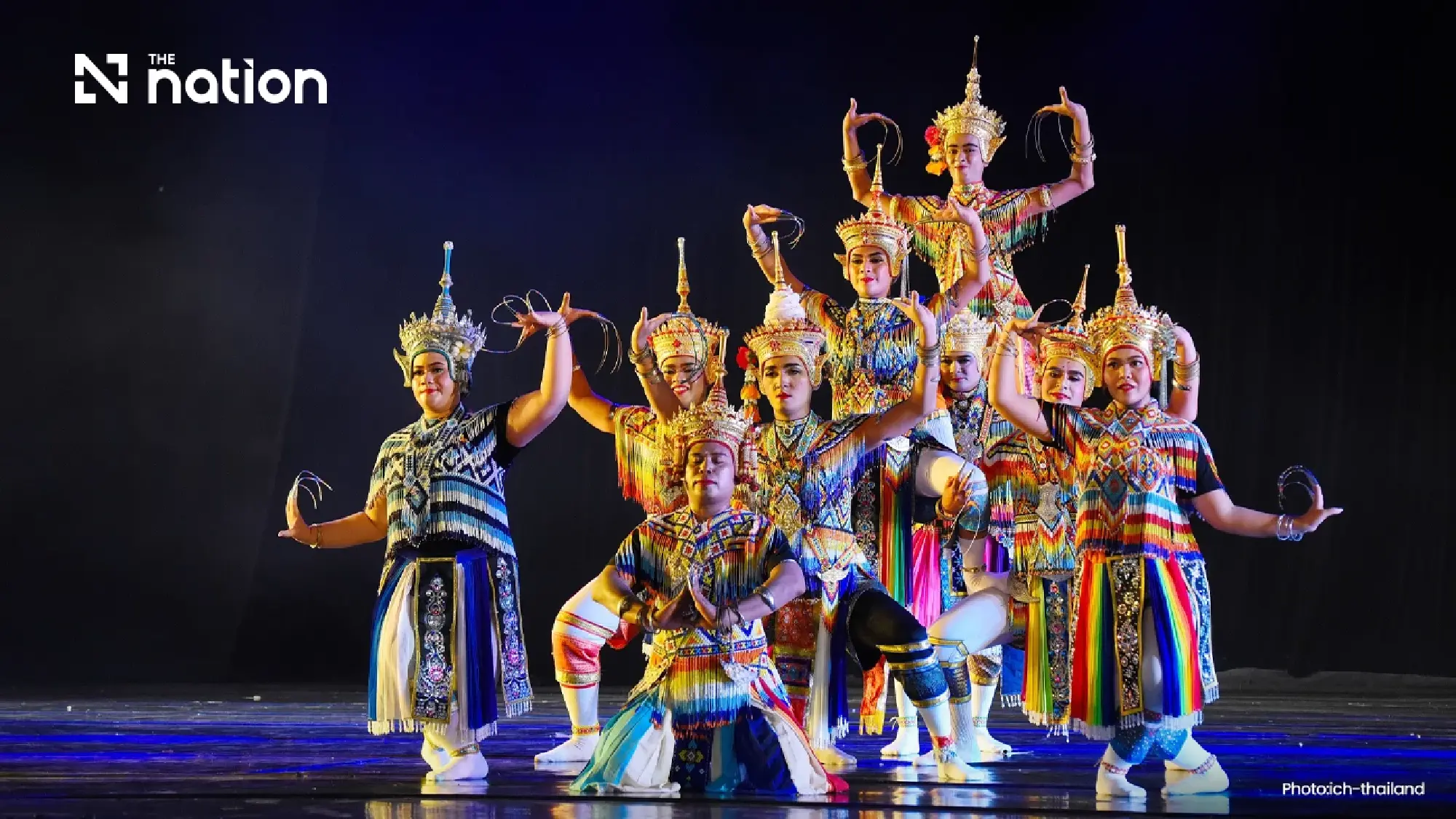
The Bunditpatanasilpa Institute, under the Culture Ministry, presented Nora dance at the Thailand Grand Festival 2026 in The Hague, the Netherlands.
Nora is recognised by Unesco as intangible cultural heritage.
The event also provided opportunities to pass on knowledge of Thai dance to Thai communities abroad, helping maintain cultural connections while introducing the art form to wider international audiences.
The government’s goal is to move beyond cultural promotion alone and create measurable economic benefits from Thailand’s cultural assets.
These include attracting tourists, expanding food exports, generating employment and helping Thai entrepreneurs establish a stronger presence in global markets.
