
The Sawmill Stage: Bangkok’s Revolutionary Moving Theater
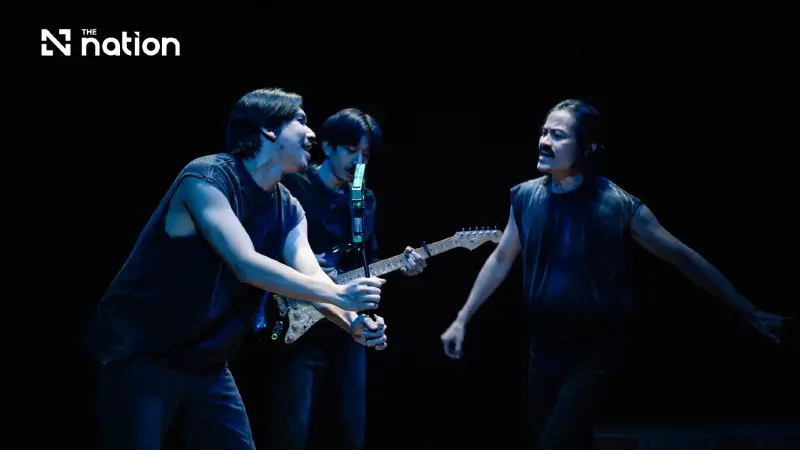


Inside T. Nam Charoen Playhouse, a converted sawmill where the audience becomes a synchronised, moving component of the performance
- The theater, named T. Nam Charoen Playhouse, is housed within a converted historic sawmill in Bangkok's Bang Pho district.
- Unlike traditional theater, the audience does not remain seated but physically moves through the building with the actors as the performance unfolds.
- This immersive and revolutionary format dissolves the boundary between the stage and spectators, making the audience a synchronized, moving component of the narrative.
- The playhouse offers a visceral, live art experience that serves as an alternative to passive digital screen consumption.
Inside T. Nam Charoen Playhouse, a converted sawmill where the audience becomes a synchronised, moving component of the performance.
In the quiet, historic neighbourhood of Bang Pho, an area deeply celebrated for its traditional wood-trading heritage and multi-generational artisan woodworking shops, an artistic revolution is quietly taking place.
Amidst the scent of freshly sawn timber and the hum of traditional workshops sits the T. Nam Charoen Playhouse, an independent performing arts space that is completely dismantling the traditional theatrical experience.

Here, industrial history merges seamlessly with avant-garde performance art to create something entirely unprecedented in Thailand's cultural capital.
The playhouse is housed within a stunningly converted, historic sawmill. By abandoning the rigid rows, plush velvet seats, and proscenium arches of traditional theatre houses, the venue utilises its raw, column-free industrial architecture to tear down the boundary between artist and spectator. In this space, audiences do not sit passively in the dark; they are thrust directly into the living, breathing heart of the narrative.

The true magic of T. Nam Charoen Playhouse lies in its commitment to an immersive, literally "audience-moving" show format. A prime example of this boundary-breaking storytelling is the venue's sold-out production, A Pa Tour.
Rather than remaining safely detached observers, small, intimate groups of theatregoers are guided dynamically through the labyrinthine building. The performance follows a fluid, carefully choreographed loop that takes the audience across distinct, atmospheric spaces within the old mill, including communal kitchens, family shrines, and shadowy storage rooms.
As the actors move, the audience must move with them. The boundary between the stage and reality dissolves entirely; a monologue might be delivered just inches from your face, or a dramatic confrontation might require you to step aside to let a character pass.

By turning the act of walking into a shared theatrical journey, the playhouse shifts the local cultural landscape. It transforms a traditionally quiet, sedentary crowd into a synchronised, moving component of the performance itself.
This experiential approach to storytelling arrives at a crucial time. In an era dominated by digital streaming fatigue and passive screen consumption, T. Nam Charoen Playhouse offers a potent reminder of the power of physical, live art. It is a sensory, visceral experience that cannot be replicated on a smartphone screen or a home cinema setup.
By reclaiming Bang Pho’s industrial heritage and infusing it with radical artistic vision, this converted sawmill has firmly established itself as the vanguard of Bangkok's independent performance scene.
Photo Credit: T.Namcharoen Playhouse Page
