
Sweet Tooth Nation: How History Made Thais Obsessed with Sugar
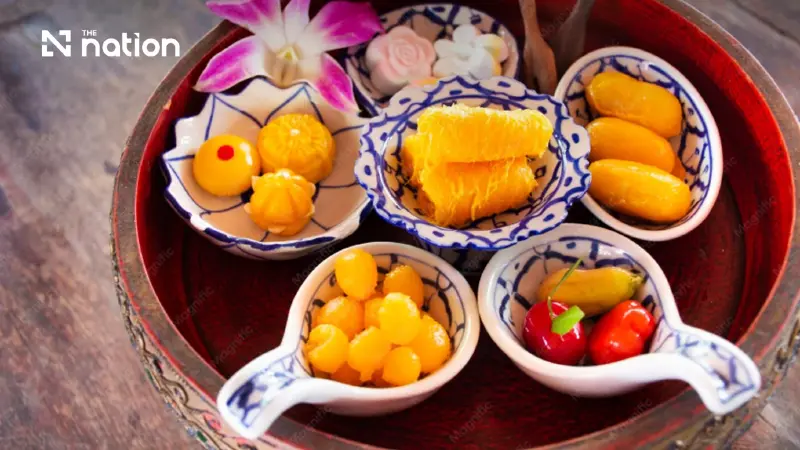


Thailand’s national craving for sugar as a daily lifestyle is not a coincidence, as it is directly rooted in its history, shaped by royal status and cultural shifts.
A Taste Once Reserved for the Elite
Thailand’s love affair with sugar began centuries ago in the Ayutthaya royal court. During the 17th century, Marie Guimar introduced Portuguese-inspired egg-and-sugar sweets, embedding heavy sugar consumption into traditional Thai desserts.
In 19th-century Siam, refined white sugar had become an expensive imported luxury reserved exclusively for royalty and elites, while commoners still relied solely on local palm sugar.
As refined sugar gradually became more accessible, commoners began adding it to their everyday cooking to emulate royal palace cuisine, believing that sweetness represented sophisticated, high-class food rather than unrefined rural cooking.
Through this shift, taste became deeply tied to social status, a transformation captured by the proverb: “Eating savoury without sweet is the habit of a serf.”

As urbanisation accelerated and rural workers migrated into Bangkok, sweeter flavours became the defining mark of modern city taste. This preference grew so dominant that even bold regional dishes, such as northeastern Isan food, were heavily sweetened to appeal to urban palates.
Over time, this evolution created a remarkably sophisticated palate. Thais learned to choose distinct sugars for specific results, using refined white sugar for a clean, sharp kick, and palm or coconut sugars for a rich, mellow depth.

When Policy Turned Preference into Habit
While social factors shaped early preferences, government policy played a key role in expanding sugar consumption nationwide.
Beginning in the 1930s, Thailand invested in domestic sugar production to reduce reliance on imports. By the 1960s, this effort had resulted in a significant increase in supply.
To support the industry, measures were introduced to sustain production and encourage distribution. At the same time, refined sugar was promoted as a modern and hygienic ingredient.
This combination made sugar more accessible not only to households, but also to food and beverage manufacturers.
As a result, sugar became increasingly embedded in everyday consumption, extending far beyond desserts into sauces, processed foods, and drinks.


A Growing Health Burden
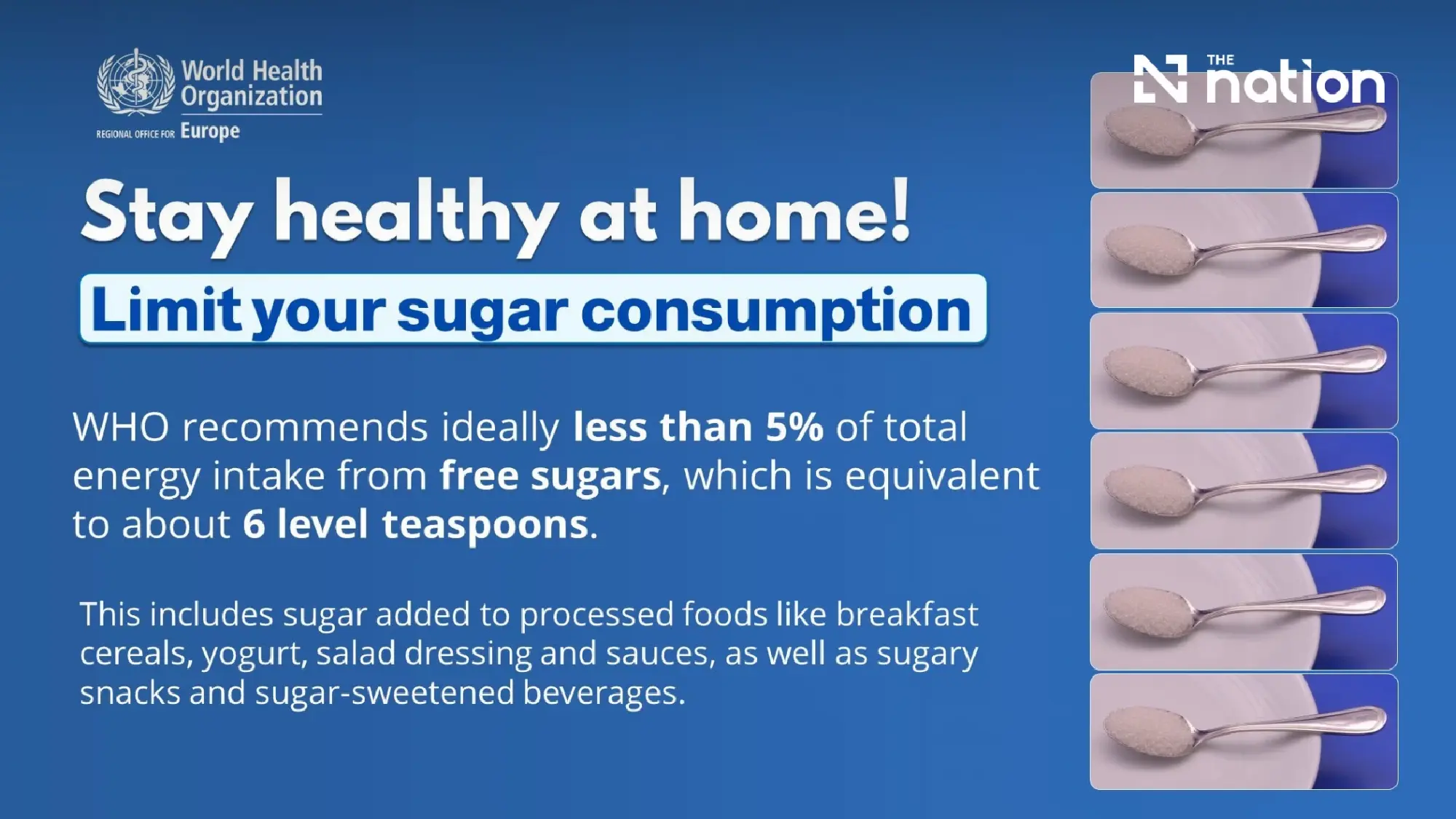
Today, the effects of this long-term shift are becoming more visible and dangerous. According to data from the World Health Organisation (WHO), daily sugar intake should not exceed 6 teaspoons (24 grams) per day.
However, data from the Thai Health Promotion Foundation (ThaiHealth) reveal that Thais consume an average of 25 teaspoons daily, which is more than four times the recommended limit.
Much of this intake comes indirectly through processed foods and sugary beverages. Over 5.2 million Thais live with diabetes, with roughly 300,000 new cases diagnosed each year, and an estimated 40% of cases remaining undiagnosed.

Medical experts warn that excessive sugar consumption is a primary driver of non-communicable diseases (NCDs), triggering severe complications such as chronic kidney disease, cardiovascular failure, vision loss, and nerve damage.
In response, the government has introduced sugar taxes and public campaigns such as “Order Less Sweet” to curb consumption.
Despite these measures, reversing a national habit remains a massive challenge. Short-term warnings are insufficient to prevent chronic overconsumption, according to the Thai Health Promotion Foundation.
Addressing the crisis requires structural changes, from stricter regulations on hidden sugars in processed foods to a broader public shift towards balanced nutrition as the new default for everyday meals.
