
The History of Talad Noi
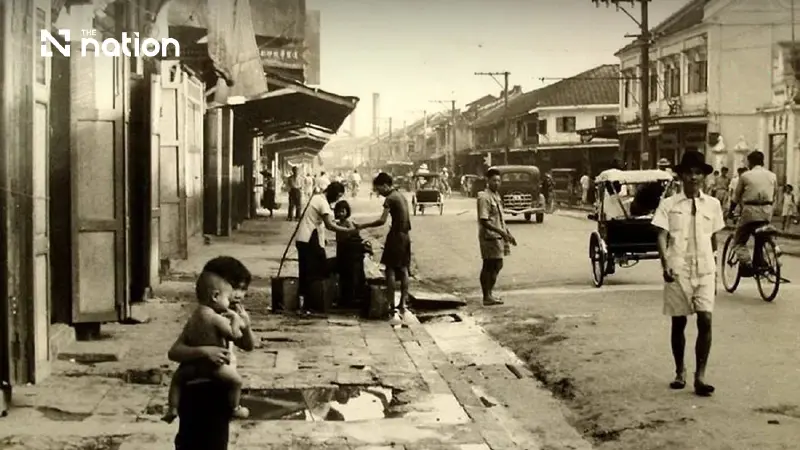


If you’ve spent any time exploring Bangkok’s creative scene, chances are you’ve come across Talad Noi. Known today for its winding alleys, vibrant street art, rustic automotive scrap yards, and aesthetic riverside cafés, this riverside neighbourhood is a favourite for travellers and photographers alike. But behind its trendy facade lies a deep history that shaped Bangkok’s early commerce.
The Origins of the "Little Market"
The story of Talad Noi dates back to the early Rattanakosin period in the late 18th century. Following the establishment of Bangkok as the new capital, Chinese immigrants settled in Sampeng, which rapidly transformed into the city’s primary commercial centre.
As trade boomed, business naturally spilt over into neighbouring areas. This burgeoning satellite district quickly became known as the secondary trading hub, smaller than Sampeng, but equally vital to daily commerce.


What’s in a Name?
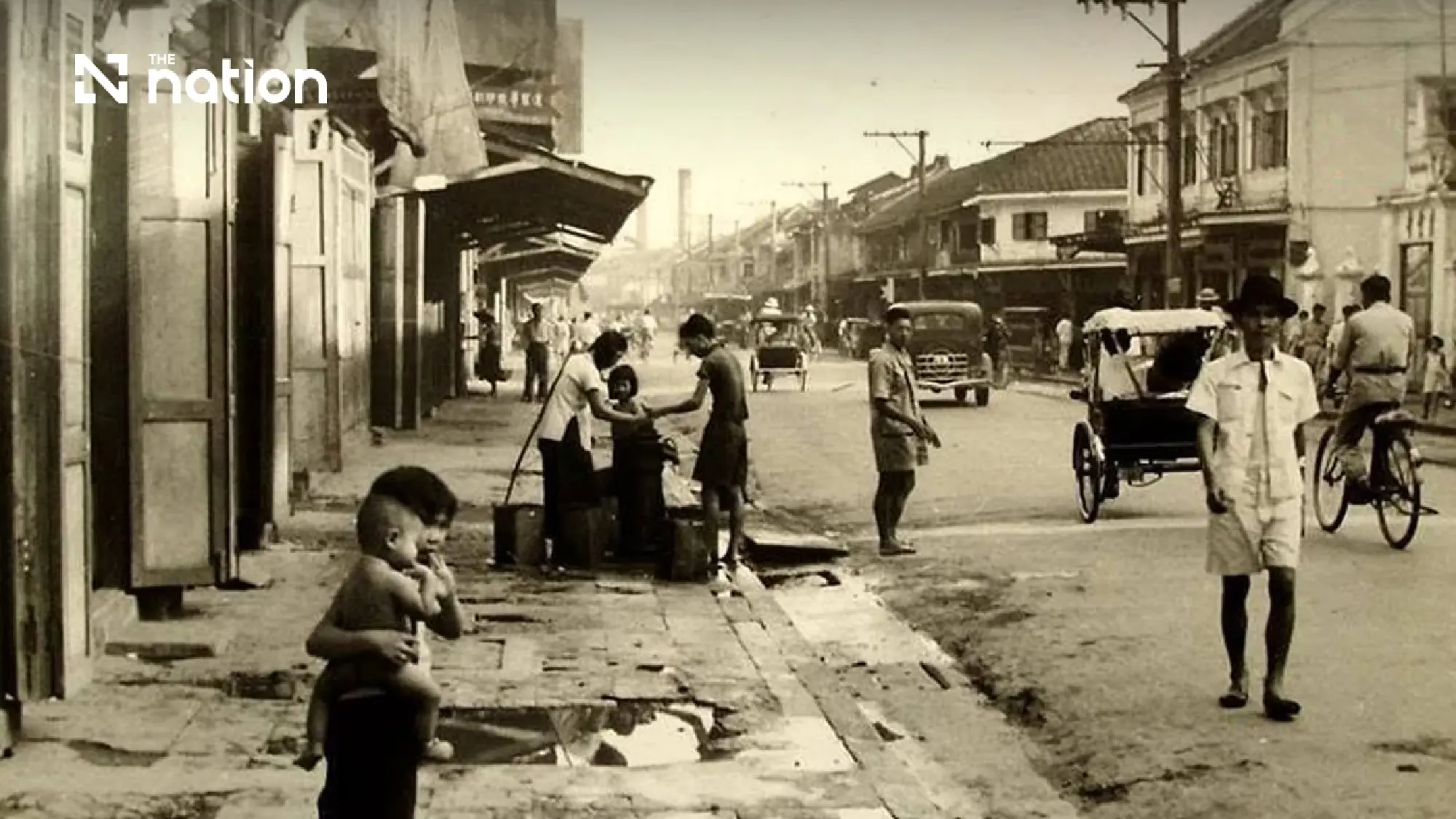
The local Teochew Chinese community began calling this vibrant neighbourhood Tak Lak Gia (ตั๊ก ลัก เกียร์), a phrase affectionately translating to "child of the market" or "little market."
As Thai locals integrated the name into their own language, Tak Lak Gia was translated directly into Thai: Talad (market) Noi (little).

A Living Museum of History and Culture
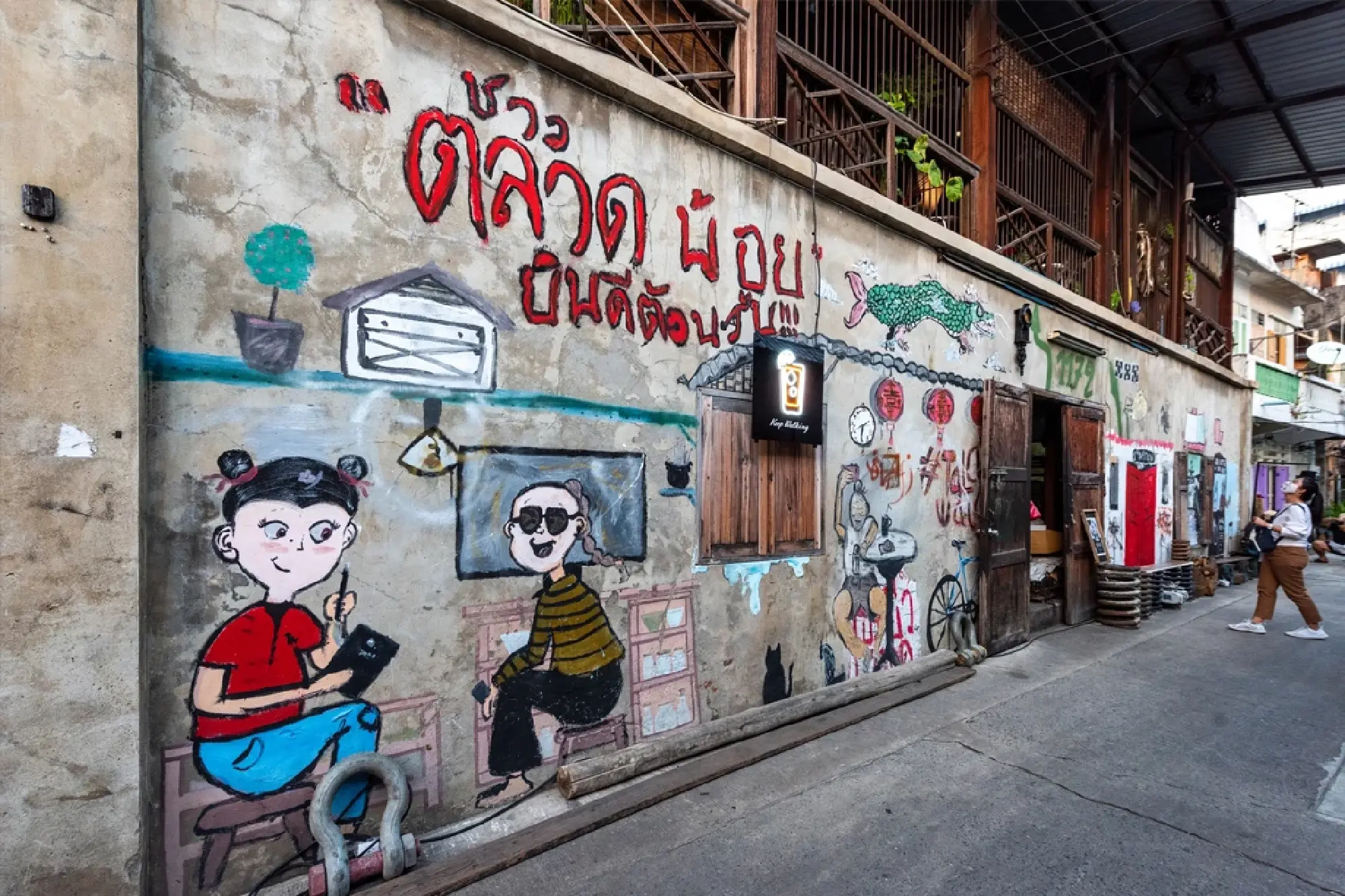
While modern visitors flock to Talad Noi to sip cold brew inside renovated heritage shophouses or snap photos beside painted alleyways, the area’s historic soul remains fully intact. Ancestral shrines like the Chow Sue Kong Shrine, centuries-old Sino-Portuguese architecture like the So Heng Tai Mansion, and family-run metal workshops stand as living testaments to generations of Chinese-Thai heritage.
Talad Noi isn't just a picturesque backdrop for social media; it’s a living piece of Bangkok’s cultural identity, where the legacy of the "Little Market" continues to thrive.
