
Private rice stocks put Japan’s 2026 crop prices under pressure
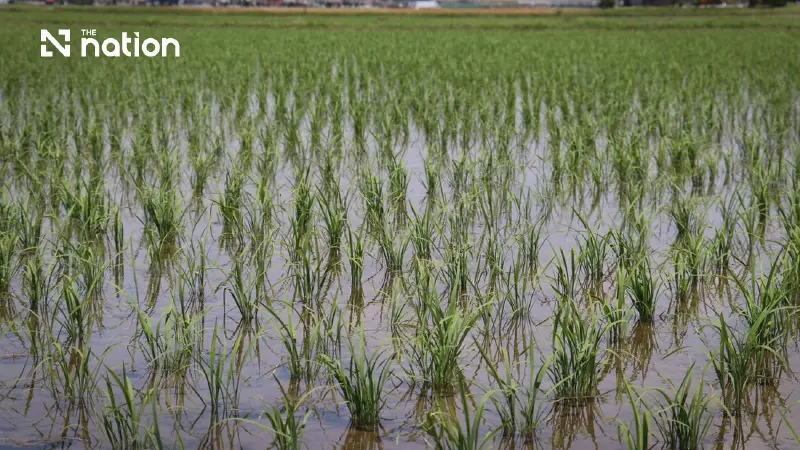


Farmers in Kagoshima and Miyazaki face sharply lower advance payments as abundant private inventories and weakening supermarket prices reshape the 2026 crop market.
- The weaker price outlook for Japan's 2026 rice crop is a direct result of larger-than-usual private-sector rice inventories.
- As a consequence, agricultural cooperatives in regions like Kagoshima and Miyazaki are already reducing purchase prices and advance payments for early-season harvests by up to 45%.
- In response to the price pressure, rice-industry representatives are urging the government to buy back rice to replenish its depleted state stockpiles, which would tighten supply.
- The government has so far opposed the buyback plan, citing concerns that keeping rice prices elevated would negatively impact consumers' daily lives.
Japan’s 2026 rice crop is heading towards lower prices after two consecutive years of increases, with cooperatives in Kagoshima and Miyazaki already reducing terms for early-season harvests.
The Kagoshima Prefectural Economic Federation of Agricultural Cooperatives informed local cooperatives this month that its recommended purchase prices for early-season rice would be around 20% below year-earlier levels.
Advance payments to farmers are also expected to decline.
A steeper reduction has been set for early-season Koshihikari rice grown in Miyazaki Prefecture, much of which is shipped to Honshu.
Advance payments were fixed at 18,000 yen for every 60 kilograms of brown rice, down 45% from 32,600 yen in 2025.
The weaker pricing outlook reflects private-sector rice inventories that are larger than usual.
Supermarket prices have also begun to retreat after the average remained above 4,000 yen per 5 kilograms before starting to fall in January.
During the first week of July, the average price dropped below ¥3,500 for the first time in about 18 months.
Rice-industry representatives are pressing the government to rebuild its depleted reserves by repurchasing rice previously released from state stockpiles to restrain prices.
They argue that replenishing the reserves would help tighten the balance between supply and demand.
Agriculture Minister Norikazu Suzuki presented the Prime Minister’s Office with a buyback proposal last month.

Informed sources said the office opposed the plan, arguing that keeping rice prices elevated could adversely affect people’s daily lives.
Liberal Democratic Party lawmakers who promote rice farming submitted an emergency resolution to Suzuki on Tuesday (July 14), urging the government to prepare for prompt rice purchases and buybacks.
Yoshito Shinno, chairman of the Central Union of Agricultural Cooperatives, or JA-Zenchu, said at a press conference on Thursday that the government should swiftly restore its rice stockpile to 100% of the target level.
The appropriate reserve is considered to be about 1 million tonnes, but releases made since last year have reduced the stockpile to approximately 320,000 tonnes.
Some Agriculture Ministry officials, however, are concerned that repurchasing rice from the market before the harvest season could cause shortages.
