
Japan expands rice-based plastics as naphtha supply risks grow
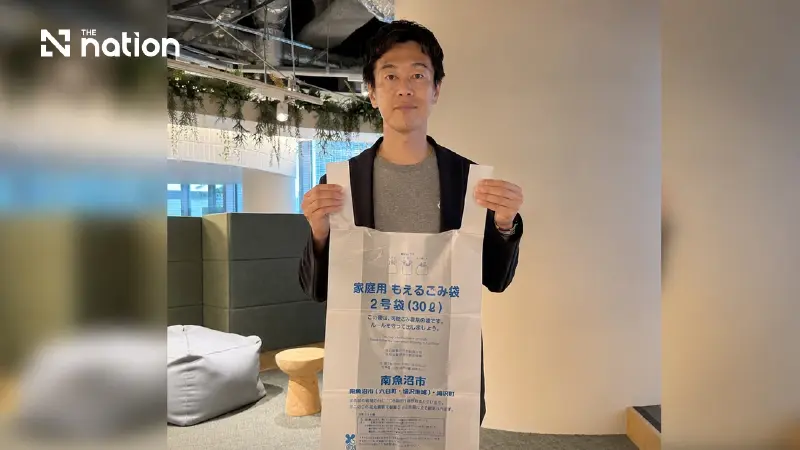


Middle East disruption is accelerating demand for plant- and rice-derived bags as municipalities and retailers seek more secure domestic material supplies.
- Growing supply risks for petroleum-based naphtha, exacerbated by conflict in the Middle East, are driving Japanese municipalities and retailers to adopt rice-based plastics for products like shopping bags.
- Japanese manufacturer Rice Resin Inc. has experienced a three- to fivefold increase in demand for its bioplastic, which is made from a blend containing up to 70% non-edible rice.
- The economic viability of rice-based plastics has improved as rising naphtha prices have narrowed the cost gap compared to traditional petroleum-derived materials.
- The shift is part of a broader Japanese government strategy to promote domestic biomass and reduce the nation's reliance on specific regions for raw materials and energy.
Japanese municipalities and retailers are turning more quickly to biomass plastics made from renewable resources as the conflict in the Middle East strains naphtha supplies and raises concern over the country’s dependence on petroleum-based raw materials.
Rice Resin Inc., based in Namie in Fukushima Prefecture in northeastern Japan, has seen requests for consultations rise three to fivefold since the conflict began, according to chief operating officer Shinji Okuda.
The company manufactures about 500 tonnes of bioplastic a year from a blend containing up to 70% rice that is unsuitable for consumption, including old government-stockpiled grain.
It supplies municipalities and retailers with refuse and shopping bags made from the material.
Fukagawa in Hokkaido, Japan’s northernmost prefecture, is considering introducing Rice Resin refuse bags on a trial basis after an April tender attracted no bidders.
The city decided to move away from its existing polyethylene bags after the supplier said it could not secure the necessary raw materials.

The alternative bags could enter use as early as November.
A Fukagawa official said rice-based bags would allow the city to highlight its local identity because it is one of Hokkaido’s leading rice-producing areas.
FamilyMart Co., Ltd. has also taken steps to reduce its exposure to petroleum feedstocks.
In mid-June, the convenience-store operator doubled the biomass content of its shopping bags to 50%, mainly using sugar cane.
The change is expected to improve the stability of raw-material procurement while cutting the company’s annual consumption of petroleum-derived plastic by about 1,100 tonnes.
Higher prices remain the biggest obstacle to wider use of bioplastics.
Rice Resin had previously cost as much as twice the price of petroleum-derived materials, but that gap has narrowed as the Middle East conflict has driven up naphtha prices.

[Copyright The Jiji Press, Ltd.]
Okuda said rice-derived bioplastic had “a great potential” as a future option for risk diversification.
“The project can also provide support to agriculture amid declining rice consumption,” he said, emphasising the advantage of using domestically sourced materials.
The so-called “naphtha shock” has exposed the vulnerability of industrial and everyday products that depend on Middle Eastern crude oil and petroleum.
It has also sharpened the question of whether Japan can expand the use of non-fossil raw materials and reduce its reliance.
Prime Minister Sanae Takaichi’s administration plans to promote greater use of domestic biomass to reduce Japan’s dependence on particular countries and regions for materials and energy.
Synthetic biology and other bio-related technologies are among the 17 strategic fields in the government’s new growth strategy, which is to be drawn up this month.
