
Japan preserves male-only succession in historic royal law reform
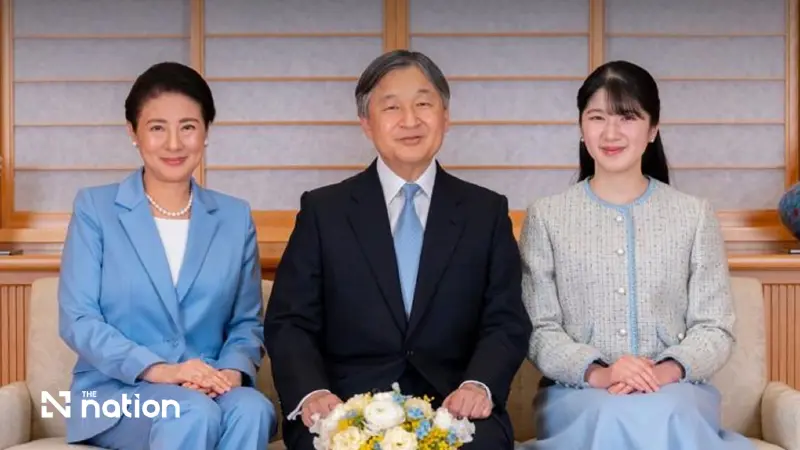


Japan has reinforced male-line imperial succession while allowing princesses to retain royal status and distant male relatives to join the family
- Japan's parliament has enacted a reform of the Imperial House Law that preserves the principle of male-only succession, allowing only men from the paternal line to ascend the throne.
- To address the shrinking size of the royal family, the new law allows princesses to retain their royal status and duties after marrying commoners.
- The legislation also creates a path for men from former collateral royal branches to be adopted into the Imperial Family to potentially increase the number of male heirs.
- As a result of maintaining male-only succession, Emperor Naruhito's only child, Princess Aiko, remains ineligible to succeed her father.
Japan’s parliament has approved a historic revision of the Imperial House Law that preserves male-only succession while introducing measures intended to prevent the country’s shrinking royal family from running out of members.
The legislation enacted on Friday retains the principle that only a man descended through the paternal line of the Imperial Family may ascend the Chrysanthemum Throne.
It also allows princesses to retain their royal status after marrying commoners and creates a route for men from distant collateral branches of the former Imperial Family to be adopted into the present household.
The reform represents one of the most significant changes to the legal framework governing Japan’s monarchy since the post-war Imperial House Law took effect in 1947.
However, it does not open the throne to women or to descendants whose connection to the Imperial Family comes through the maternal line.
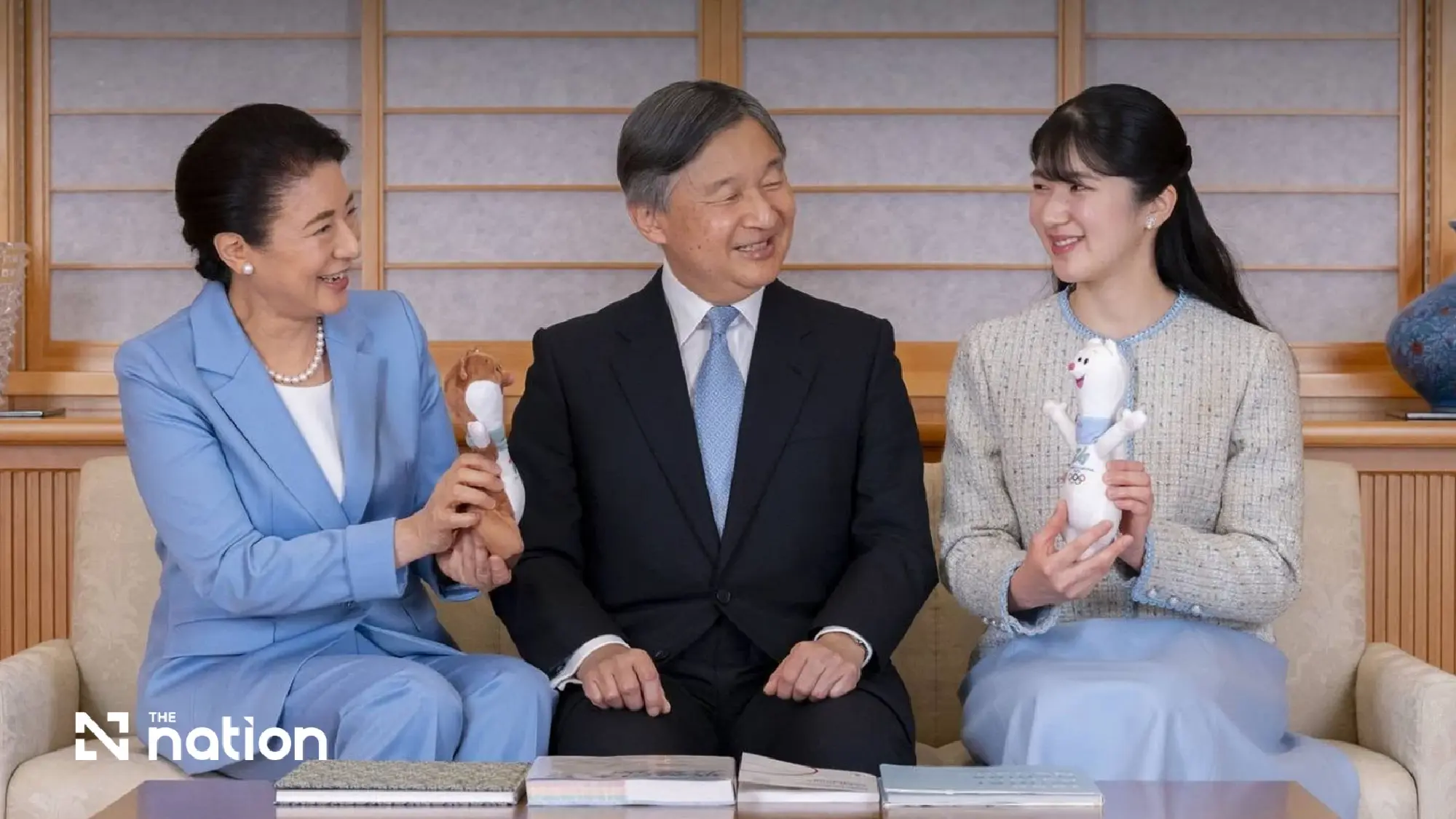

Reform seeks to preserve shrinking Imperial Family
Japan’s Imperial Family has steadily declined in size because female members traditionally lose their royal status when they marry commoners.
The new law allows princesses to remain members of the Imperial Family after marriage so that they may continue performing official duties.
Their husbands and children, however, will not automatically gain royal status under the revised arrangements.
The legislation also permits the Imperial Family to adopt male descendants from former collateral royal branches that lost their status after the Second World War.
Supporters argue that the mechanism could reinforce the paternal line and produce future male heirs without changing the long-established succession principle.
Critics say the approach avoids the more direct option of allowing a woman or a child descended through a female member to inherit the throne.
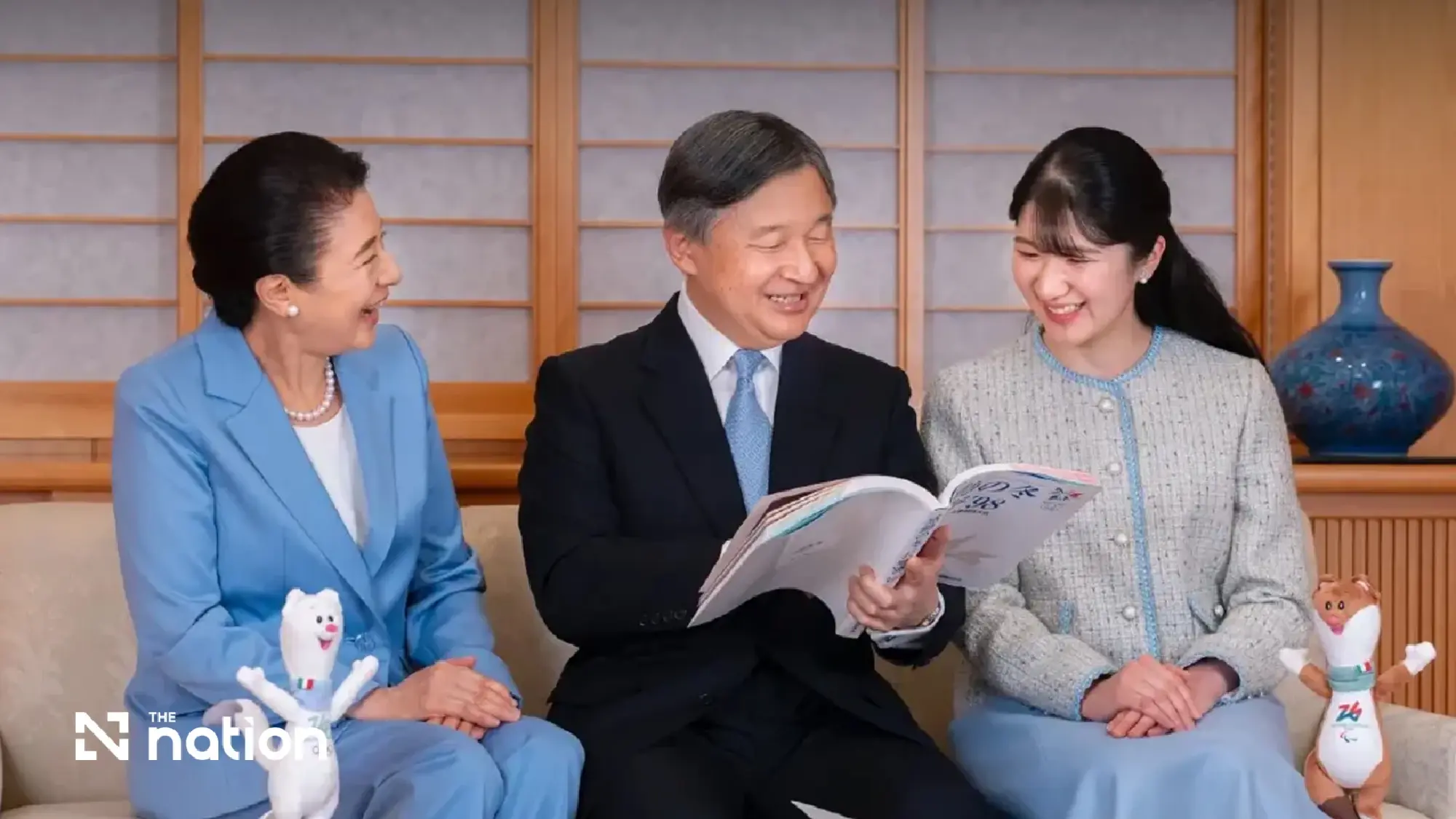

Princess Aiko remains excluded
The reform leaves Princess Aiko, the 24-year-old only child of Emperor Naruhito and Empress Masako, ineligible to succeed her father.
Princess Aiko has become one of the most popular members of the Imperial Family, prompting growing public calls for the succession law to be changed so that she could become reigning empress.
Under the male-line rule, however, the throne will pass first to Emperor Naruhito’s younger brother, Crown Prince Akishino.
Second in line is Akishino’s 19-year-old son, Prince Hisahito, the only eligible male heir of his generation.
Next in the line of succession is Prince Hitachi, Emperor Naruhito’s uncle and the younger brother of Emperor Emeritus Akihito.
The narrow succession line has fuelled concerns that the monarchy could face a severe continuity crisis if Prince Hisahito does not eventually have a son.
Conservatives defend paternal lineage
Prime Minister Sanae Takaichi and other conservative politicians have strongly supported preserving the male-line succession system.
They regard an unbroken paternal lineage as central to the history and legitimacy of Japan’s monarchy and have resisted proposals to allow a reigning empress whose descendants could establish a maternal line.
Takaichi had previously called for deeper discussions among political parties over stable imperial succession and revisions to the Imperial House Law.
Supporters of the revised law say it offers a way to maintain the traditional succession system while increasing the number of royals available for ceremonial and public duties.
The adoption provision could bring men from former imperial branches into the household, although questions remain over whether suitable candidates would be willing to assume royal responsibilities.
Critics warn reform may deepen succession crisis
Royal observers and constitutional experts have warned that continuing to exclude women may leave the monarchy with too few eligible heirs.
They argue that adoption from distant male branches is less sustainable and less publicly acceptable than allowing the Emperor’s own daughter to succeed him.
Japan has had reigning empresses in its history, although traditionalists point out that they were regarded as temporary sovereigns and did not establish succession lines through their children.
Critics also say the reform reinforces gender inequality by allowing princesses to perform royal duties after marriage while denying them and their descendants any place in the succession.
The shrinking number of royals has already increased the workload placed on existing members of the family, all of whom are adults.
Debate unlikely to end
The legislation settles the immediate political debate by preserving male-line succession, but it is unlikely to end public discussion over the monarchy’s future.
Princess Aiko’s popularity and Prince Hisahito’s position as the sole young male heir have made the sustainability of the current system increasingly difficult to ignore.
Opinion among conservative lawmakers remains firmly in favour of maintaining the paternal line, while many members of the public support allowing a woman to inherit the throne.
The revised law therefore expands the pool of people who may serve the Imperial Family without changing the central rule at the heart of Japan’s succession dilemma.
