
Bangkok governor reports flood conditions beginning to improve



More than 400 schools run by the Bangkok Metropolitan Administration will close for a day as evacuations continue in flooded communities.
- Bangkok's governor stated that while main roads may clear in a few days, it could take approximately two weeks for flooded residential communities to dry out completely.
- The prolonged flooding is due to a slow drainage process, as water from surrounding areas flows back into the canals as they are being pumped out.
- The flooding, caused by up to 320mm of rainfall, is particularly severe in large communities like Kheha Rom Klao, which has over 30,000 residents, prompting evacuations.
- Outer areas of the city, including Bang Kapi, On Nut, and Ramkhamhaeng, remain a significant concern, even as some inner-city locations begin to dry.
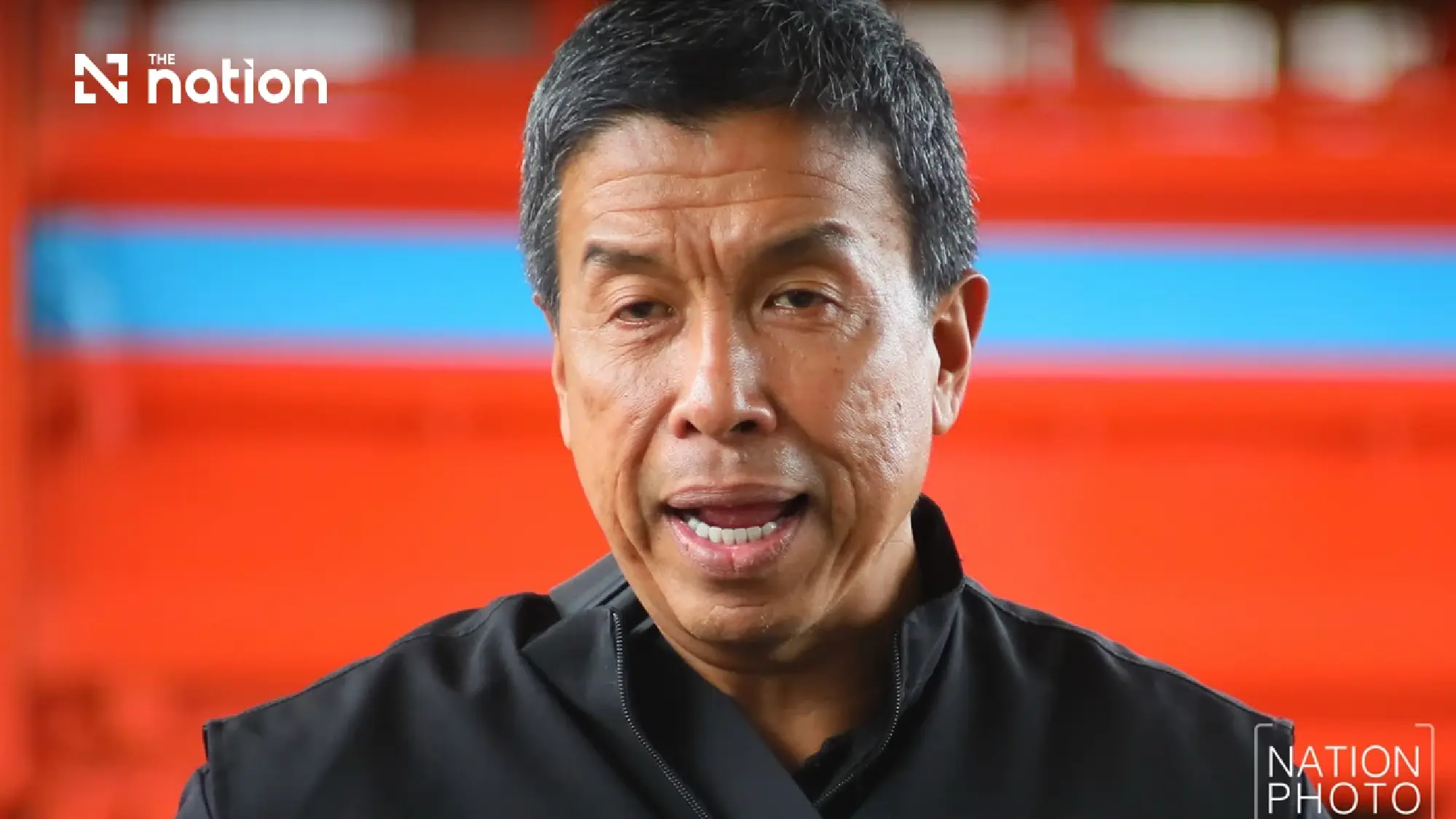
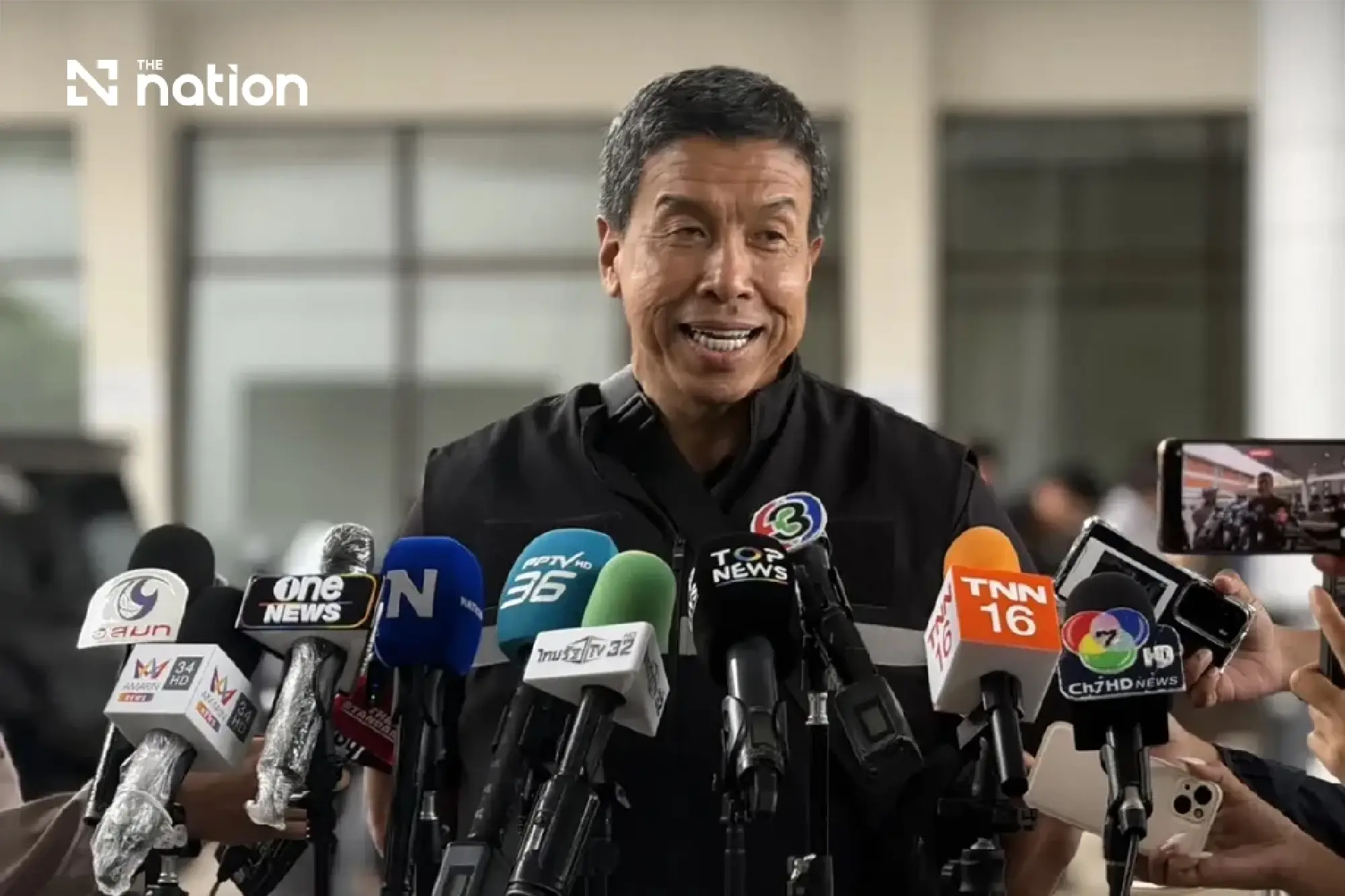
Flooding in Bangkok has begun to ease after a low-pressure area brought two to three days of persistent heavy rain, Governor Chadchart Sittipunt said at Don Mueang International Airport on Sunday (September 27, 2026).
Accumulated rainfall reached as much as 320 millimetres, filling canals and causing them to overflow onto roads in several areas.
“However, the low-pressure area has moved towards Myanmar today, shifting the rain to Kanchanaburi and Ratchaburi. Rainfall in Bangkok is expected to fall to around 10–20 millimetres a day, allowing conditions near canals to improve gradually. But the water cannot be drained away quickly because, as water is drawn out of the canals, water from surrounding areas flows in to replace it. It will therefore take several more days for water levels to fall,” he said.

Urgent evacuations from large communities and help for stranded bedridden patients
The governor described severe flooding on September 26 in affected communities, particularly Kheha Rom Klao, which has more than 30,000 residents.
Many residents wanted to evacuate.
An evacuation centre established within the community had been relocated to King Mongkut’s Institute of Technology Ladkrabang because of the large numbers arriving.
The main challenge was supplying food to the tens of thousands of people estimated to remain in large communities and caring for bedridden patients.
About 40–50 patients had already been evacuated, but some remained.
The Bangkok Metropolitan Administration (BMA) had a complete list of the patients still awaiting help and was accelerating efforts to assist them.

Areas under close watch and expected drainage times
All flooded locations still needed monitoring, he stressed, particularly areas near Saen Saep Canal in Bang Kapi, Prem Prachakon Canal in Lak Si, and Prawet Canal in Lat Krabang and Suan Luang.
Flooded inner-city areas, including Ekkamai, were beginning to dry out.
However, outer areas including Bang Kapi, On Nut and Ramkhamhaeng remained a concern.
Conditions on main roads were expected to take two to three days to improve, while communities could take around two weeks to dry out completely.
Working from home and closures of BMA schools
Government agencies should consider allowing employees to work from home where possible, the governor advised.
Although roads were becoming passable, there could still be patches of standing water and traffic bottlenecks.
The BMA had instructed civil servants who did not need to provide services to the public to work from home and ordered more than 400 schools under its authority to close for one day on September 28.
On the Thon Buri side of Bangkok, he did not expect possible heavy rain to be a cause for concern, explaining that water could be drained quickly.
Chadchart also said he had not received any reports of deaths linked to the flooding.
He added that the prime minister had instructed all agencies to work together to address the situation.
Several ministers had visited affected areas and joined operations at the BMA’s command centre on September 26, including the defence minister, who brought GMC trucks to help residents in Lat Krabang.
