
Buri Ram locals oppose reopening Thai-Cambodian border, cite distrust of Cambodia
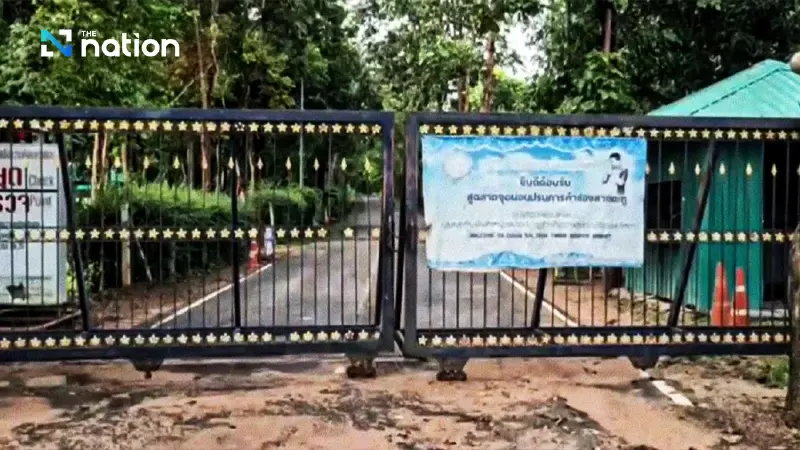


The government plans to reopen border checkpoints in Chanthaburi and Trat, despite local concerns and distrust toward Cambodia.
Gen Nattapol Nakpanit, the Deputy Minister of Defence and acting Minister of Defence, shared on Wednesday (September 10) that the Thai-Cambodian border has been divided into zones based on the level of tension. Zone 1, with the highest tension, covers the area under the 2nd Army Area, including Ubon Ratchathani, Si Sa Ket, Surin, and Buri Ram provinces. Zone 2 falls under the 1st Army Area in Sa Kaeo Province. Zone 3, which includes Chanthaburi and Trat provinces, is considered to have less tension, and the authorities are preparing to ease restrictions and reopen the border checkpoint in this area.
On September 11, 2025, a reporter visited the border village in Ban Kruat district, Buri Ram Province, where locals and vendors expressed concerns over the ongoing tensions.
They believe that the situation is still unstable and untrustworthy, suggesting that the border should not be reopened yet. They emphasised the need to address the underlying conflicts and build confidence that no further clashes will occur.

They also stated that Cambodia should demonstrate its sincerity by honouring agreements before Thailand proceeds with any border reopening.
The locals expressed distrust toward the Cambodian authorities, citing ongoing encroachments on Thai sovereignty and continued provocations toward Thai soldiers. Some residents voiced opposition to reopening the border, particularly at the Saitaku checkpoint, which is only a temporary relaxation point. They advocated for a permanent closure of the checkpoint.

However, some vendors who had previously sold goods at the Saitaku checkpoint expressed a different view. They called for the reopening of the border to resume their businesses, explaining that before the conflict, they earned 1,000 to 2,000 baht per day at the border market. Since the closure, their earnings have drastically decreased, with some now only earning 400 to 500 baht per day by selling along village streets or through mobile selling.
