
Myanmar’s full shelves mask import crisis as foreign goods vanish
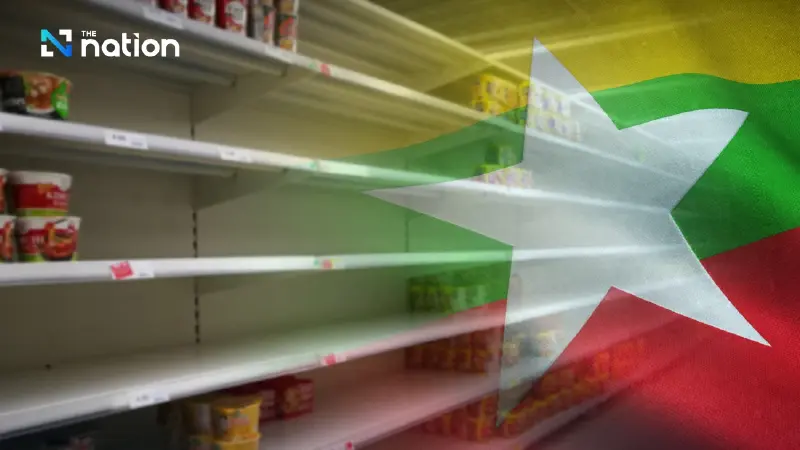


Foreign goods are disappearing from Myanmar’s shelves as the military tightens import controls to conserve scarce foreign currency, driving shortages and higher costs
Myanmar’s supermarket shelves may still appear full, but behind that outward appearance a deeper crisis is taking shape, as imported goods gradually disappear from the market after the military government imposed increasingly strict controls on imports in an effort to preserve dwindling foreign currency reserves. Nikkei Asia summed up the situation in a headline that captured the contradiction clearly: full store shelves are masking a growing crisis for importers, with foreign goods becoming harder and harder to find.
What is most noticeable now is that shelves are increasingly dominated by domestic brands, in sharp contrast to the past, when they were filled with a much wider variety of foreign products. Imported goods from neighbouring countries such as Thailand, including food products, as well as items made in China, are reportedly disappearing from retail shelves.
One local trader told Nikkei Asia that the price of Tabasco sauce had jumped almost fivefold. According to the trader, because imports can no longer come in through normal channels, sellers have had to find every possible way to bring products into the country, turning once ordinary household items into luxuries affordable only to a small wealthy minority.
Retail businesses across Myanmar, including pharmacies, pet supply stores and clothing shops, are now facing growing shortages of foreign goods because the authorities have all but stopped issuing formal import licences since the middle of 2025, while also intensifying their crackdown on smuggling.
A cosmetics shop owner in Yangon told Nikkei Asia that some of the limited stock on sale had arrived from Thailand by air through unauthorised channels. Traders say goods can still enter in small quantities, but only through costly, irregular and risky routes.
Business operators in Myanmar say exporters continue to receive more favourable treatment under the current rules, while importers face a far harsher environment. Many believe the authorities have been tightening regulations to prevent capital outflows and conserve foreign exchange reserves, which have been under sustained pressure.
Before the military seized power in 2021, Myanmar followed a more open economic model that made it relatively easy for businesses to secure import licences and access foreign currency. But the policy direction shifted sharply in 2024, when the junta moved towards what businesses describe as “controlled trade”, requiring firms to show export earnings before they could be allowed to import goods. Legal advisories have also documented tighter licence rules since 2024 and additional restrictions introduced from January 1, 2026 through the online Myanmar TradeNet 2.0 system.
By the middle of 2025, conditions had reportedly worsened further, with the military government rejecting most sea-import licence applications and setting up a committee to crack down on illegal trade by raiding warehouses and confiscating goods smuggled in overland or through border-trade permits.
Those channels can carry far smaller volumes than normal imports, making them an inadequate substitute for formal maritime trade. Traders say enforcement was tightened even more after officials were ordered to stop accepting bribes, forcing smugglers to use smaller vehicles, less direct routes and more dangerous methods to evade checkpoints. Even then, many shipments are intercepted and confiscated.
The economic impact has been severe. By the time goods reach Yangon, transport costs can reportedly rise to nearly five times the original value of the products. Although the authorities say the measures are intended to manage foreign exchange, traders warn that the restrictions are instead fuelling more illegal trade.
One businessman told Nikkei Asia that taxes and unofficial charges can now reach up to three times the original value of the goods, and that once officials realised how profitable the trade had become, they began involving themselves more heavily in it. This demand has fuelled an informal foreign-exchange market, where buyers have to pay a significantly higher rate — around 200 kyat more per US dollar on average.
An importer of food ingredients said goods had already been purchased and were stuck abroad, but without import licences and without the ability to move them across the border, companies were left in an increasingly desperate position.
