
Philippines first to declare energy emergency over oil crisis
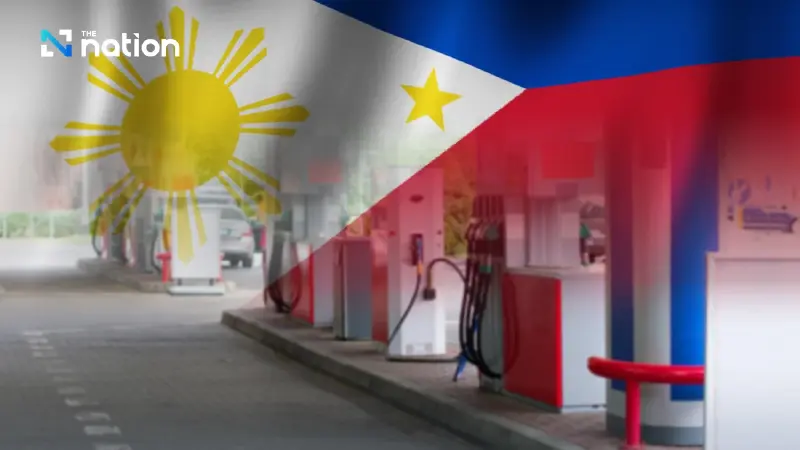


Philippines becomes the first country to declare a national energy emergency as Middle East conflict disrupts oil supply and shuts fuel stations
The Philippines has formally declared a national energy emergency, becoming the first country to take such action in response to the escalating global energy crisis triggered by conflict in the Middle East.
The move was announced by President Ferdinand Marcos Jr., who said the declaration would allow the government to respond more effectively to disruptions in domestic energy supply, as oil prices continue to surge amid global uncertainty.
The decision follows reports that more than 400 petrol stations across the country have suspended operations due to the sustained rise in fuel prices, underscoring the severity of the situation.
Under the emergency order, a special task force has been established to oversee fuel procurement, transport, distribution and availability. Its mandate also extends to ensuring the supply of essential goods such as food, medicine and agricultural products, in an effort to minimise the broader impact on the public.
Authorities said the ongoing Middle East conflict has created significant volatility in global energy supply chains, driving price fluctuations and directly affecting the country’s energy security.
The emergency measures will remain in effect for one year, granting the government expanded powers to secure fuel supplies, including the ability to procure petroleum products and make advance payments to guarantee sufficient stock.
In parallel, the government has launched a comprehensive support framework known as the Unified Package for Livelihoods, Industry, Food, and Transport (UPLIFT), aimed at cushioning the impact on key sectors such as transport, agriculture and small and medium-sized enterprises facing rising energy costs.
Officials said the initiative is designed to improve resource management, strengthen fuel distribution systems and deliver targeted assistance to communities most affected by the crisis.
The Philippines relies heavily on energy imports from the Middle East, which account for nearly 26% of its supply. In 2024, the country’s total energy imports were valued at approximately US$16 billion.
The energy minister said current reserves are sufficient for about 45 days of consumption at existing demand levels.
To bolster supply, the government is also in the process of securing an additional one million barrels of oil from both regional and international sources to ensure continued availability in the months ahead.
