
Strategic Autonomy and Economic Might: The Key Takeaways from the 48th ASEAN Summit
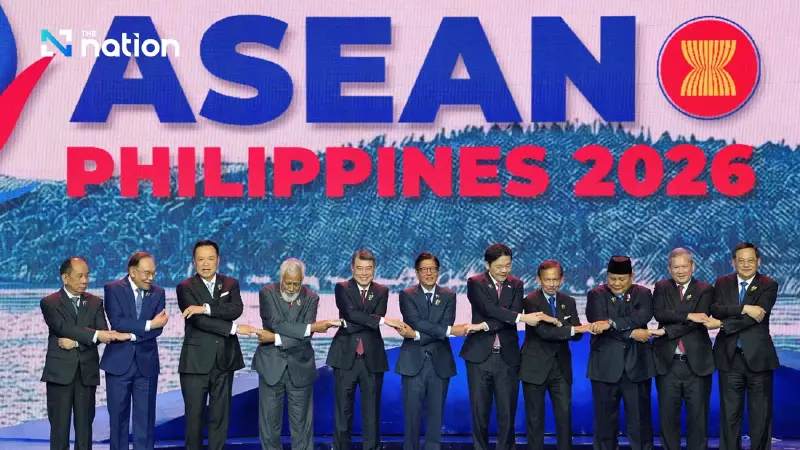


From the Cebu Summit, a clear mandate emerges: ASEAN will leverage its "Centrality" to navigate superpower rivalries while fast-tracking its path to becoming the world's fourth-largest economy
- ASEAN reaffirmed its "Centrality" principle, asserting its role as the primary driver of regional security to maintain strategic autonomy amidst superpower rivalries.
- The bloc is on track to become the world's fourth-largest economy by 2030, launching a strategic plan to protect its markets and fast-track economic integration.
- To bolster its economic might, ASEAN is prioritizing the digital transformation of its small and medium enterprises with AI and pursuing a green energy strategy to achieve carbon neutrality.
- The summit demonstrated a unified diplomatic front by establishing a new maritime cooperation center and issuing joint statements on global crises like the conflict in Ukraine.
From the Cebu Summit, a clear mandate emerges: ASEAN will leverage its "Centrality" to navigate superpower rivalries while fast-tracking its path to becoming the world's fourth-largest economy.
As the curtain falls on the 48th ASEAN Summit in Cebu, the regional bloc has sent a definitive message to the global stage: Southeast Asia is no longer a passive bystander in the shifting tides of geopolitics.
Under the theme "Navigating Our Future, Together," the 10-member state collective has produced a strategic blueprint that balances high-stakes diplomacy with aggressive economic integration.

The following eight pillars represent the core messages from the Cebu Chair’s Statement:
1. Standing Firm on "ASEAN Centrality"
The most vital message from Cebu is a refusal to be sidelined. Amidst intensifying US-China competition, the bloc reinforced "ASEAN Centrality"—the principle that ASEAN must remain the primary driver of regional security. By invoking the UN Charter and the 1982 UNCLOS, leaders sent a firm signal that regional stability must be anchored in a "rules-based" order rather than the whims of major powers.
2. The Push for Global Economic Primacy
Economic data released during the summit confirms a robust 4.9% growth rate for the region in 2025. The message is clear: ASEAN is on track to become the world's fourth-largest economy by 2030. To achieve this, the summit greenlit the first-year implementation of the AEC Strategic Plan 2026-2030, designed to protect regional markets from persistent "geoeconomic fragmentation".

3. A Unified Front on Maritime Stability
Recognising the volatile nature of regional waters, the adoption of the ASEAN Leaders’ Declaration on Maritime Cooperation is a significant result. Beyond rhetoric, the summit announced the planned establishment of an ASEAN Maritime Centre in the Philippines to promote cross-sectoral collaboration and avoid duplication of efforts in maritime law enforcement.
4. Digitisation: The AI-Powered MSME Revolution
In a move to modernise its backbone, the summit prioritised artificial intelligence for smaller players. The Leaders’ Declaration on AI-Powered MSME Growth aims to ensure that the region’s 95% of businesses—small and medium enterprises—are not left behind in the digital transition, ensuring "inclusive prosperity" across all member states.
5. "ASPECT": A New Era for Disaster Resilience
With climate change posing an existential threat, leaders launched the ASEAN Strategic Protocol for Emergency and Comprehensive Transformation (ASPECT). This framework is a concrete mechanism aimed at ensuring that when disaster strikes, cross-border aid—from customs to emergency personnel—moves without the usual bureaucratic friction.

6. The Expansion to "ASEAN 11"
A significant milestone was reached regarding Timor-Leste’s roadmap for full membership. The summit's message is one of expansion and inclusivity, signalling that the bloc is growing in both geographic footprint and market potential. Leaders reaffirmed their commitment to supporting Timor-Leste in meeting the final requirements to join as a full member.
7. A Green Blueprint for Energy Security
Addressing the dual challenges of climate change and energy demand, leaders fast-tracked the ASEAN Strategy for Carbon Neutrality. By pushing for the integration of the ASEAN Power Grid (APG), the region is positioning itself as a hub for renewable energy investment, aiming to balance rapid industrial growth with "net-zero" ambitions.
8. Principled Diplomacy on Global Crises
The summit didn't shy away from extra-regional conflicts. ASEAN issued a unified call for an immediate cessation of hostilities in Ukraine and reiterated support for a "two-state solution" in the Middle East. By aligning on these issues, the bloc demonstrated its intent to act as a cohesive moral and diplomatic force on the international stage.
Source: ASEAN Chair's Statement
