
ASEAN summit in Cebu: leaders look for a joint plan to blunt Iran war fallout
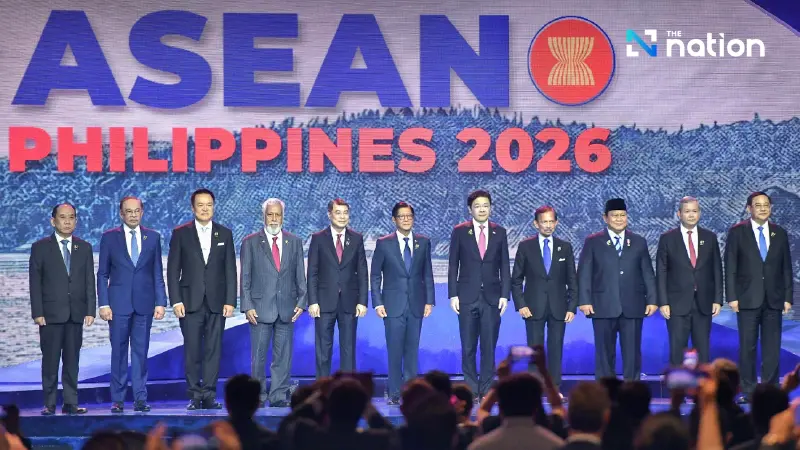


ASEAN leaders meeting in Cebu are expected to push joint steps on energy and food security as the Iran war and Strait of Hormuz disruptions squeeze oil-dependent economies.
Leaders from Southeast Asia are expected to press for a coordinated strategy to ease the economic fallout from the Iran war, as they gather for an ASEAN summit in Cebu, Philippines, with energy and food security topping the agenda.
Meeting on the Philippine island of Cebu, ASEAN leaders are expected to discuss collective measures to reduce pressure from an energy shock that has hit a region heavily reliant on oil imports, amid a nearly 70-day blockade of the Strait of Hormuz, a critical global shipping artery.

Opening the summit in his capacity as ASEAN chair, Philippine President Ferdinand Marcos Jr said the bloc must act together while remaining adaptable.
“We must ensure regional energy security and resilience,” he said.
“At a time of heightened volatility, ASEAN must strengthen coordination and reinforce preparedness, pursue practical collective measures to safeguard a stable energy supply and improve interconnectivity.”

Coordination remains a challenge
ASEAN economic ministers met in Cebu on Thursday and, according to a chair statement, “identified practical, concrete response measures” to support energy and food security. The proposals, however, did not include detailed plans.
Among the steps floated were diversifying suppliers and routes, and developing a crisis communication protocol, though it was unclear what actions—if any—would be implemented.

The region, home to nearly 700 million people and with a combined economic output of about US$3.8 trillion, faces significant risks from the war’s spillover effects. The Philippines—one of the first countries globally to declare an energy emergency—has been pushing for approval of a voluntary, commercial-based ASEAN oil-sharing framework agreement.
But ASEAN’s ability to coordinate remains constrained by wide differences among its 11 members, slow regional integration, and the lack of a central authority to enforce agreements and initiatives.
Draft statement calls for fuel-sharing pact
ASEAN leaders are due to hold a retreat on Friday and are expected to call for a negotiated settlement between the United States and Iran, as well as the reopening of the Strait of Hormuz, which handled about 130 vessels a day and around a fifth of global oil and gas supplies before the conflict.
A working draft statement seen by Reuters says leaders will urge member states to complete domestic approval processes for a fuel-sharing pact to ensure its “earliest possible entry into force”.

Progress on Thailand-Cambodia, and Myanmar engagement
Although the Iran war has dominated discussions, progress was reported in other areas on Thursday. Marcos convened a meeting between the leaders of Thailand and Cambodia amid a fragile ceasefire, resulting in an agreement to resume engagement after two rounds of deadly border conflict last year.

Foreign ministers also agreed to hold a virtual meeting with Myanmar’s foreign minister, amid Myanmar’s push to normalise ties with ASEAN and restore summit participation following a ban imposed after the 2021 military coup and the subsequent slide into civil war.
Myanmar has long divided the bloc, with some members advocating engagement with a new, nominally civilian administration led by former junta chief Min Aung Hlaing, who recently became president after an election swept by a pro-military party.

Source: Reuters
