
48th ASEAN Summit opens in Cebu with energy and food crises at the top of the agenda
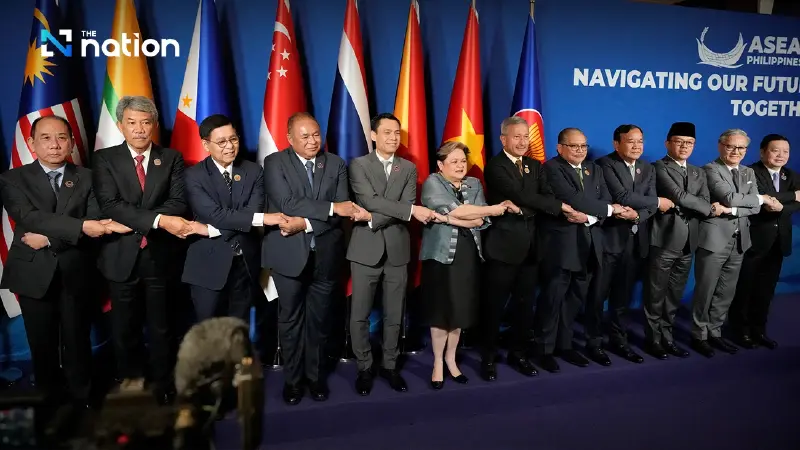


The 48th ASEAN Summit has opened in Cebu under the theme “Navigating Our Future, Together”, with energy security, food supply and regional resilience high on the agenda.
Today (May 7, 2026), the 48th ASEAN Summit and related meetings officially began in Cebu, known as the “Queen City of the South” of the Philippines. The summit is being held under the theme “Navigating Our Future, Together”, with the Philippines serving as ASEAN chair in 2026 as the region seeks to chart its course amid mounting global challenges.

ASEAN leaders gather as several make their first appearance in office
The Cebu summit is particularly significant because it serves as the first major regional platform for several leaders. Among them is Anutin Charnvirakul, Prime Minister of Thailand, for whom this marks the first official foreign trip since taking office for a second term.
Likewise, Le Minh Hung, Prime Minister of Vietnam, is making his first appearance at an ASEAN summit as head of government, underlining that ASEAN remains Vietnam’s highest strategic priority.
Other key leaders attending include Philippine President Ferdinand Marcos Jr. as host, Dato’ Seri Anwar Ibrahim, Prime Minister of Malaysia, Lawrence Wong, Prime Minister of Singapore, Prabowo Subianto, President of Indonesia, Hun Manet, Prime Minister of Cambodia, and the Sultan of Brunei. Singapore’s Prime Minister’s Office has confirmed that Lawrence Wong is attending the summit in Cebu on May 8.
Meanwhile, Myanmar remains restricted to representation at the level of a senior civil servant, namely its permanent secretary for foreign affairs, because the situation inside the country has still not progressed in line with ASEAN’s Five-Point Consensus. Reuters reported this week that ASEAN continues to bar Myanmar’s top leaders from high-level meetings and that the bloc remains divided over how to deal with the country’s crisis.
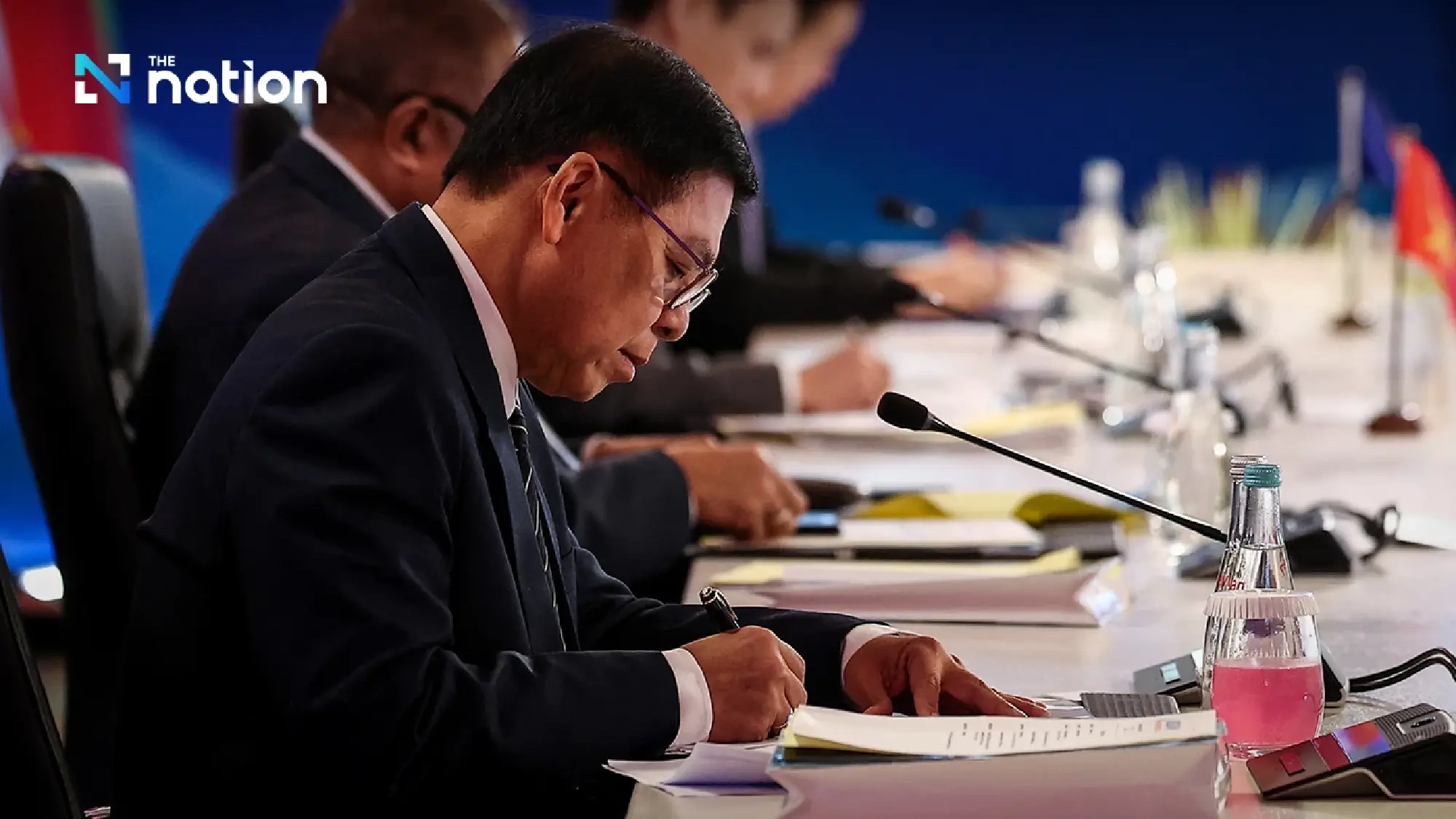

Middle East crisis: the urgent issue shaking regional stability
The issue raised as the top priority in discussions is the impact of the conflict in the Middle East, especially disruption linked to the Strait of Hormuz, which has directly affected supply chains and driven up energy prices. ASEAN leaders are focusing on energy security, sustainable access to food, and measures to protect ASEAN nationals living in conflict zones. Reuters reported that energy and food supply security are at the top of the Cebu agenda, while AP reported that the Philippines is pushing a regional contingency plan to address the broader fallout from the Middle East war.
Five key outcome documents expected
The meeting is scheduled to endorse and sign at least five important documents aimed at deepening regional cooperation:
- The Cebu Protocol: to amend the ASEAN Charter in preparation for the membership of Timor-Leste and to adjust the ASEAN flag so that it reflects an 11th member state.
- The ASEAN Leaders’ Declaration on Maritime Cooperation: aimed at promoting the blue economy and maritime security.
- The ASEAN Leaders’ Statement on the Middle East situation: setting out regional cooperation to strengthen resilience against energy and financial shocks.
- The ASPECT cooperation framework: a strategic protocol for managing emergencies and wide-ranging disruptions, including natural disasters, biological threats and climate crises.
- The Declaration on Youth Empowerment: aimed at strengthening the leadership role of younger generations in climate action and disaster response.
Thailand-Cambodia focus and Thailand’s hoped-for bridging role
Another point of strong interest is the Thai government’s diplomatic activity. Sihasak Phuangketkeow, Thailand’s Deputy Prime Minister and Foreign Minister, has said Thailand hopes Cambodia will accept a proposal for a trilateral meeting between Thailand, Cambodia and the Philippines on the sidelines of the summit, in order to build trust and ease border tensions ahead of further discussions in the General Border Committee (GBC).
Thailand says it is ready to act as a bridge-builder for the benefit of people across the region.

The first step in the ASEAN Community Vision 2045
The year 2026 is the first year of implementation under the ASEAN Community Vision 2045, the bloc’s 20-year long-term strategy. The Cebu summit is therefore being seen as a crucial moment to give fresh momentum to ASEAN as it tries to steer through intensifying headwinds, from great-power rivalry to rapid technological change, including AI, while working towards the goal of becoming the world’s fourth-largest economy by 2030.
The summit will continue until May 9, with both plenary and bilateral meetings scheduled in a bid to find common ground on unresolved issues, including whether ASEAN should formally recognise Myanmar’s election, a matter on which the bloc still has no shared consensus. Reuters reported that the Myanmar crisis remains on the agenda in Cebu, but that no major breakthrough is expected.
