
AOT reaffirms June 20 hike in international passenger fee
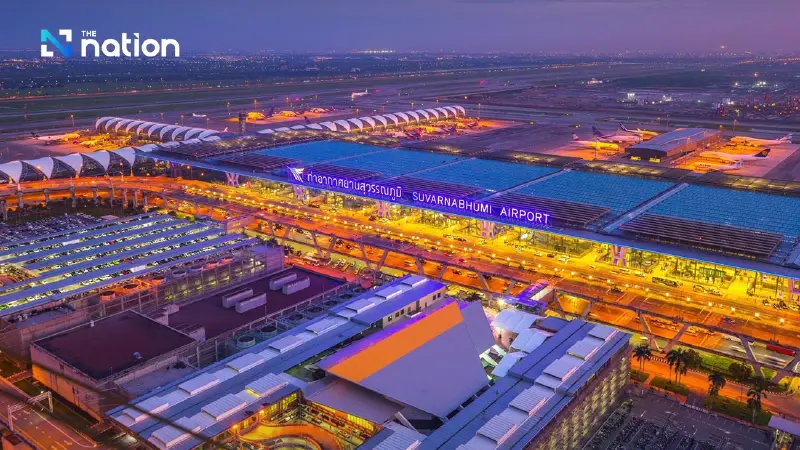


AOT says the higher international departure fee will fund airport upgrades, but critics warn it will add pressure to travellers.
Airports of Thailand Plc (AOT) on Thursday reaffirmed its plan to raise the international departure passenger service charge from 730 baht to 1,120 baht per person from June 20, 2026, at all six airports under its management.
The higher charge will apply only to passengers departing on international flights from Suvarnabhumi, Don Mueang, Chiang Mai, Mae Fah Luang Chiang Rai, Phuket and Hat Yai airports.
Fee hike moves beyond speculation
The latest confirmation comes after months of public debate over whether the fee increase would proceed, despite the plan having already passed through the formal approval process.

The Civil Aviation Board first approved the increase in principle in December 2025. At that stage, the plan still required final ministerial and regulatory approval.
On February 20, 2026, AOT issued an official notice to the Stock Exchange of Thailand and the public, confirming the new rate of 1,120 baht and setting June 20, 2026, as the effective date. That moved the increase from a proposal to a confirmed policy.
Thursday’s reaffirmation was effectively the final confirmation that the plan will go ahead, with the Ministry of Transport having signed off and no further delay expected.
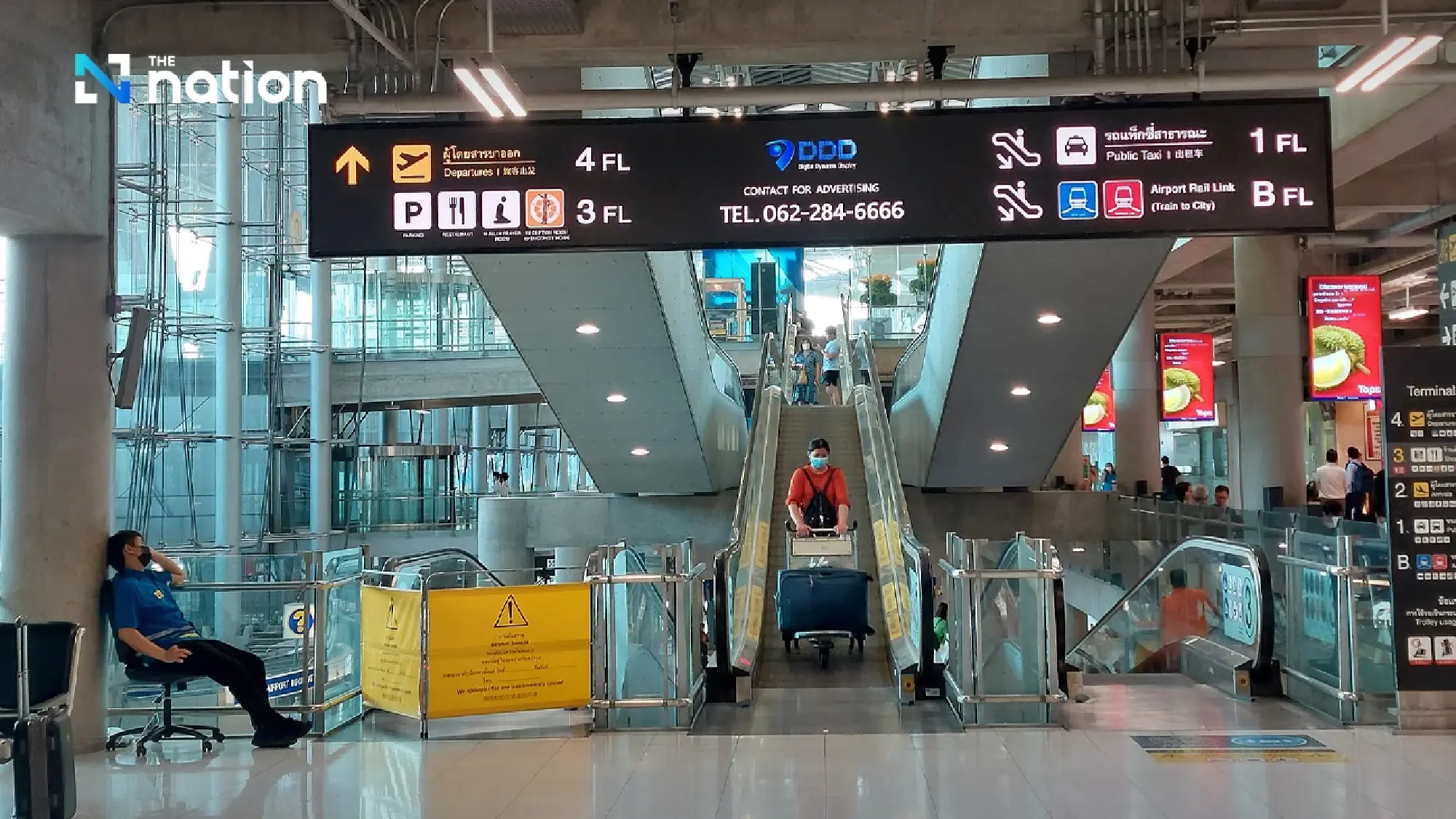

AOT says revenue will fund airport upgrades
AOT president Paweena Jariyathitipong said the additional revenue would be used to improve airport safety, upgrade technology and expand passenger capacity.
She cited automated passenger service systems such as CUPPS, as well as infrastructure development, including passenger terminal expansion and major projects such as Suvarnabhumi Airport’s South Terminal.
AOT has also said the higher charge is intended to support airport-related investment and service improvements, rather than compensate for lost duty-free revenue. The company previously said the PSC was not a tax and that the revenue would be used for airport activities and long-term infrastructure development.
Paweena said that although airfares could rise, AOT believed the increase would not significantly affect travel decisions, arguing that Thailand’s charge would remain competitive compared with some regional airports.
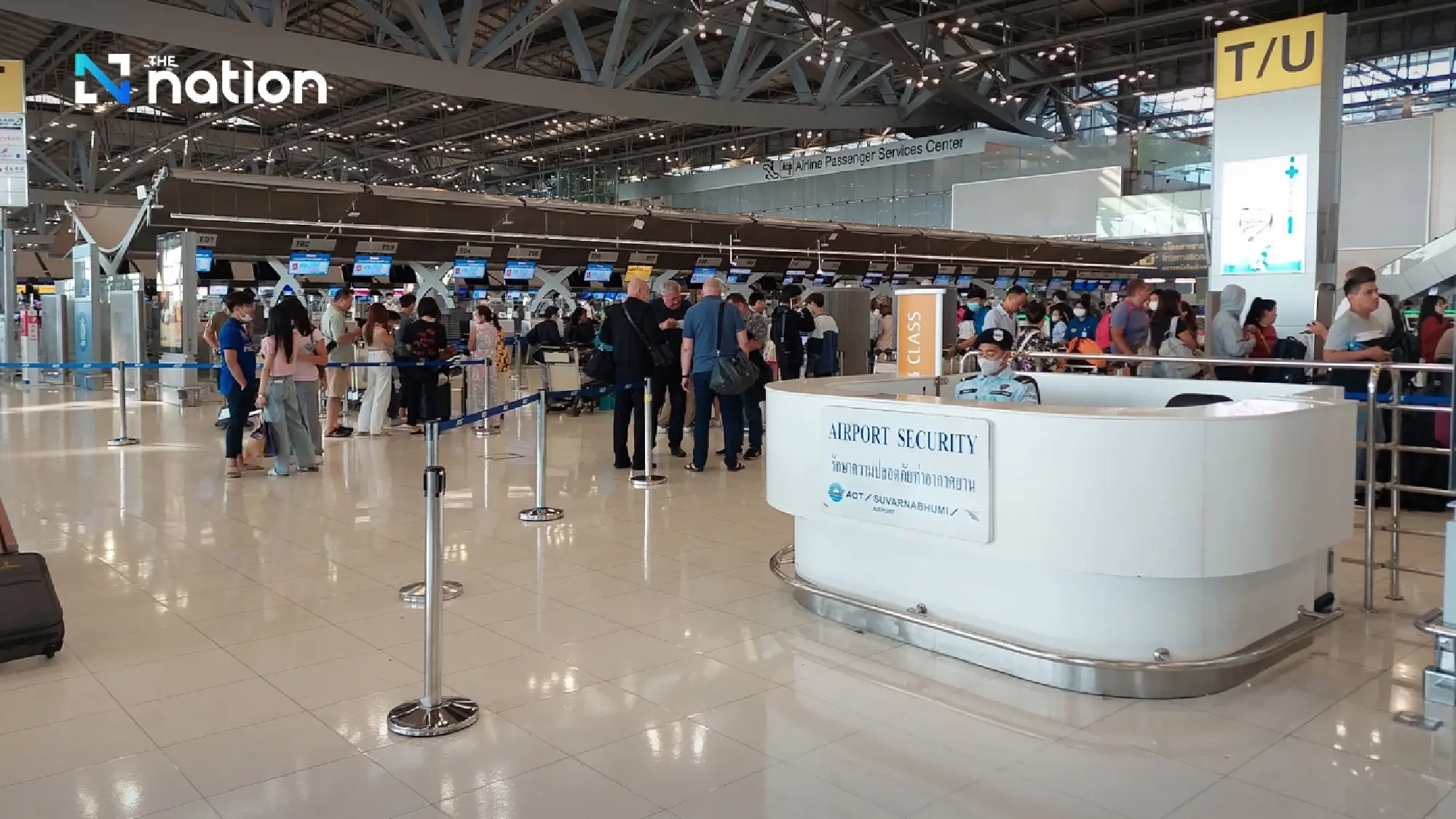

Critics question value for passengers
However, the increase has drawn criticism from transport experts and the public.
Samart Ratchapolsitte, a former deputy Bangkok governor, criticised the move in an online post, saying Suvarnabhumi Airport’s passenger service charge would become higher than those at leading airports such as Incheon in South Korea and Haneda in Japan, even though Thailand’s airport ranking still lags behind.
“When passengers are paying at a world-class level, what level of service will they receive?” he asked.
Samart also warned that low-cost travellers would feel the increase more sharply. For tickets priced at around 4,000-5,000 baht, an additional charge of nearly 400 baht could immediately push fares up by 7-10%, he said.
Debate grew despite official notice
The fee increase remained a subject of intense public debate in March and April, with critics questioning whether passengers had been given enough clarity on how the extra revenue would be used.
The Thailand Development Research Institute also called for greater transparency, saying AOT had not provided a sufficiently clear public explanation of the additional costs behind the increase or how they were linked to future airport development plans.
That debate helped fuel “will they or won’t they” speculation, even after AOT’s official notice in February.
Fuel costs add to pressure
The timing has added to concerns among travellers, as global oil prices have been driven higher by conflict in the Middle East, forcing airlines to absorb rising fuel costs and raise fuel surcharges.
Against that backdrop, critics view the higher PSC as another burden on Thai travellers at a time when overall travel costs are already increasing.
June 20 seen as test for AOT
The June 20 rollout will be an important test for AOT, as passengers and critics watch whether higher charges are matched by visible improvements in airport services.
Public criticism has focused especially on value for money, immigration queues and passenger facilities.
AOT now faces the challenge of proving that Thai airports can deliver service standards that justify the higher fee.
