
US Court Strikes Down Trump’s 10% Universal Tariff
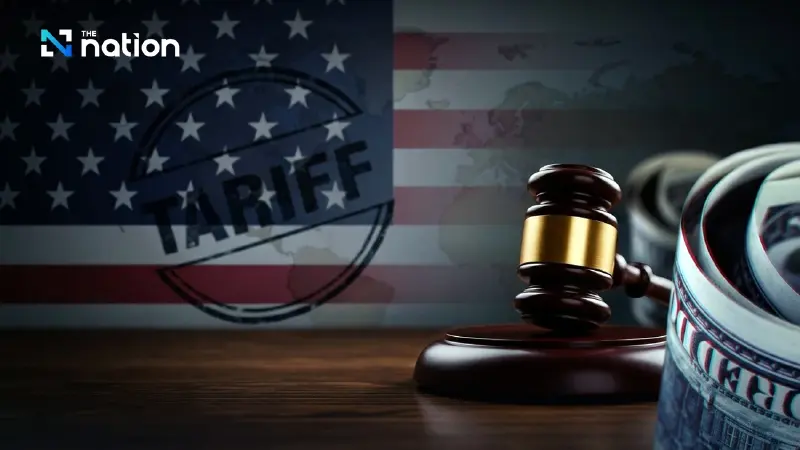


The Court of International Trade rules the 10% import levy "unlawful" due to lack of evidence, ordering the US government to refund affected importers
- The US Court of International Trade has ruled that President Trump's 10% universal import tariff is "unlawful."
- The decision was based on the administration's failure to provide sufficient evidence of a "serious and broad-based balance-of-payments deficit," which is required by the Trade Act of 1974 to justify the levy.
- As a result, the government has been ordered to halt tariff collections and issue refunds to the importers involved in the lawsuit.
- The Trump administration is expected to appeal the ruling and is exploring "alternative methods" to pursue its protectionist trade policies.
The Court of International Trade rules the 10% import levy "unlawful" due to lack of evidence, ordering the US government to refund affected importers.
President Donald Trump’s flagship trade policy of a 10% universal import tariff has suffered a major setback. The US Court of International Trade ruled on Thursday that the measure is "unlawful," citing a failure by the administration to provide sufficient justification for its enforcement under the Trade Act of 1974.
The ruling represents the second significant judicial defeat for the Trump administration’s economic agenda this year, following a similar rebuff by the Supreme Court several months ago.
In a 2-1 majority decision, the panel of judges found that the administration failed to satisfy the legal requirements of Section 122 of the Act. The law permits a president to impose tariffs of up to 15% without Congressional approval only in the event of a "serious and broad-based balance-of-payments deficit."


The court concluded that the government failed to prove such a deficit existed, rendered the implementation of the tariff a procedural overreach.
As a result of the ruling:
Immediate Suspension: The government must halt tariff collections for all plaintiffs involved in the litigation.
Mandatory Refunds: The administration is ordered to return duties previously collected from these groups.
General Importers: For companies not involved in the lawsuit, the 10% levy remains in effect until July, though legal experts suggest this may face further challenges.

Market Uncertainty and Executive Pivot
Responding to the verdict, Trump told reporters he was "not surprised" and confirmed that the administration is already exploring "alternative methods" to advance its protectionist agenda. An appeal is expected to be lodged in the coming days.
The ongoing legal tug-of-war has created a climate of confusion for the business community. Importers have struggled to manage pricing and supply chains amidst almost daily shifts in trade policy throughout the year.
The intervention by the judiciary for the second time in 12 months underscores the difficulty of using executive orders to trigger radical economic restructuring. Analysts suggest the White House may now shift its strategy toward industry-specific tariffs or attempt to utilise previously untested legal loopholes.
The decision highlights a growing tension in Washington: as the executive branch seeks to centralise power and push a nationalist trade programme, the US judicial system continues to act as a robust, albeit strained, check on presidential authority.
