
War hits the dinner table — palm oil prices set to surge
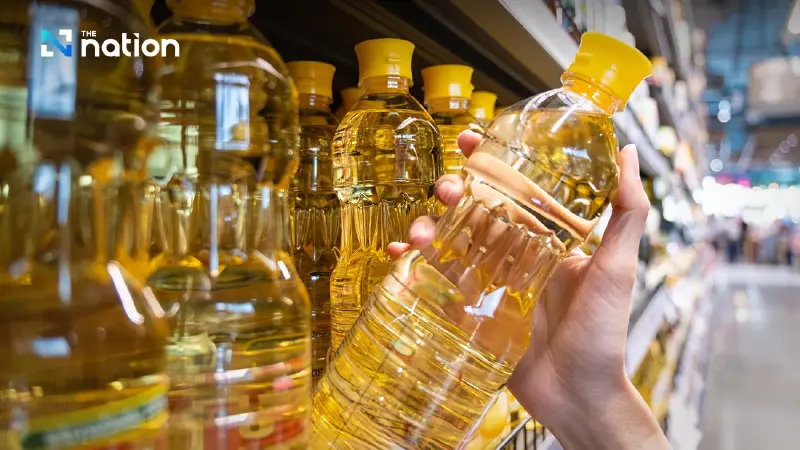


Palm oil prices may jump 20% as war-driven demand and supply shocks tighten global markets, raising fresh risks of food inflation
The impact of war is no longer confined to energy markets, it is now spilling over onto dinner tables worldwide.
Surging demand for palm oil, driven by stockpiling and its growing role as a substitute for fuel, is pushing prices steadily higher and raising the risk of a fresh wave of food inflation.
Palm oil is not merely a key export for Malaysia and Indonesia. It is embedded in daily life, used in cooking oils, margarine, snacks, processed foods, instant noodles, industrial goods and biofuels. As prices rise, the effects are expected to ripple far beyond agriculture and trade, reaching consumers and broader inflation trends.
According to Nikkei Asia, short-term price pressures are being driven by stockpiling behaviour among countries and corporations concerned about potential supply chain disruptions. Over the longer term, surging crude oil prices linked to the conflict are boosting demand for palm oil as a biofuel feedstock.
This dual pressure has already begun to move markets. Malaysia’s palm oil futures, the global benchmark, have climbed steadily since the outbreak of the Iran conflict, reaching their highest level in April since December 2024.
The United Nations Food and Agriculture Organization reported that its global food price index rose to 128.5 points, up 2.4% from February. Vegetable oil prices increased by 5.1% over the same period and were 13.2% higher than a year earlier, reflecting broad gains across palm, soybean, sunflower and rapeseed oils.

Chong Ho Leong, an analyst at Public Investment Bank in Kuala Lumpur, warned that global cooking oil prices could rise by as much as 20%, although the full impact may be delayed by around two months as existing inventories are gradually depleted.
Early signs are already visible in key markets. In Japan, wholesale palm oil prices rose by 17 yen in April to between 328 and 338 yen per kilogram, according to Nikkei Asia.
In Thailand, authorities have moved to restrict palm oil exports as domestic demand for biodiesel surges. The Ministry of Commerce said the measure aims to protect local supply and stabilise prices amid increasing nationwide use of blended biodiesel.
On the trade front, demand is surging sharply. Malaysia and Indonesia, which together account for around 85% of global palm oil supply, are ramping up exports. Malaysia’s crude palm oil exports jumped 41% in March from the previous month to 1.6 million tonnes, driven by strong demand from China, the Middle East, the United States and the European Union.
The European Union remains Malaysia’s largest buyer, accounting for 23.4% of total exports, or around 963,000 tonnes between January and March 2026. Exports to the Middle East have surged fivefold, rising 547.2% to 280,000 tonnes, while shipments to China climbed 132.6% to 233,000 tonnes.
Much of this demand is not driven by consumption, but by accelerated stockpiling amid geopolitical uncertainty, tightening the market faster than usual.
Indonesia is experiencing a similar trend. Its palm oil exports rose 36.26% year-on-year to 4.54 million tonnes in January–February, according to data cited by the Jakarta Globe. Eddy Martono, chairman of the Indonesian Palm Oil Association, said domestic crude palm oil prices have already risen by 8%–10% since the onset of the conflict.
However, he warned that future exports could face downward pressure as insurance premiums and freight costs surge by as much as 50%.
At the same time, supply-side pressures are mounting. Fertiliser costs have surged due to disruptions linked to tensions around the Strait of Hormuz, raising production costs significantly. Smallholder farmers, who account for about 15% of output in Malaysia and 30% in Indonesia, may delay replanting as costs climb.
“If the conflict drags on, fresh fruit bunch production will decline due to fertiliser costs rising by around 50%,” the Indonesian Palm Oil Association warned.
Policy shifts are adding further strain. Indonesia plans to increase its mandatory palm-based biodiesel blending ratio from 40% to 50%, known as the B50 standard, starting July 1. This is expected to divert around 1.5 million tonnes of palm oil into fuel production, reducing export availability by the same amount.
Structural challenges are also emerging. In Malaysia, palm plantations are ageing, with around 35% of trees expected to be over 19 years old by next year, up from about 30% currently, a trend that will likely weigh on yields.
Weather risks could worsen the situation. Forecasters warn that El Niño may return in the second half of 2026, potentially driving temperatures in Southeast Asia to record highs. The US National Oceanic and Atmospheric Administration estimates a 50%–60% chance of El Niño forming between July and September.
Prolonged dry conditions could stress oil palm trees, leading to reduced yields. Historical data suggests El Niño could cut fresh fruit bunch output by up to 16% and crude palm oil production by up to 14% in subsequent years, with impacts typically emerging 15 to 18 months after onset.
The most pressing concern is the convergence of surging demand and tightening supply. If the conflict persists, fertiliser costs remain elevated and adverse weather materialises, the world could face what analysts describe as a structural supply shortage, not just a temporary price spike, but sustained pressure across the global food system.
Rising palm oil prices may therefore signal more than a commodity shift. They could be an early indicator of deeper vulnerabilities in the global food chain, where energy, agriculture and geopolitics are becoming increasingly intertwined.
What is happening to palm oil today may well be the first warning of a new wave of global food inflation.
