
US leads global gold reserves, China and Russia increase holdings to reduce dollar dependency
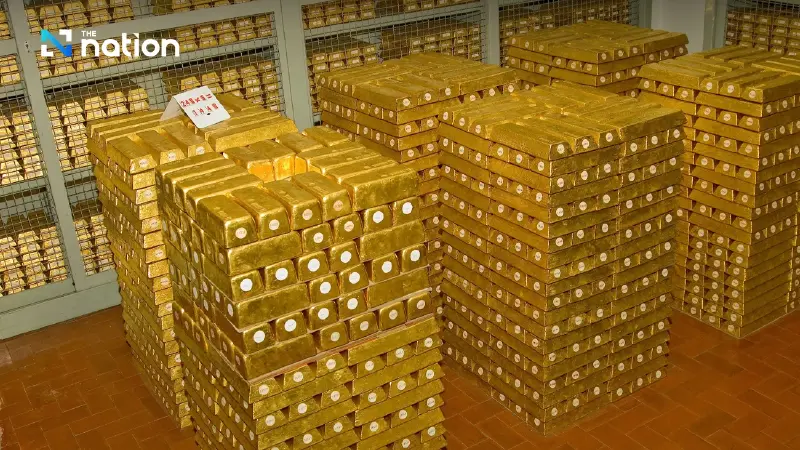


Global gold reserves data reveals the US maintains the largest stockpile, with China and Russia boosting their holdings to reduce reliance on the US dollar
According to the latest data from Statista, a global intelligence and business platform, the gold reserves of various countries in the second quarter of 2025 show the United States remains the leading nation with the largest gold reserves globally, holding 8,133 tons. Germany and Italy follow with 3,350 tons and 2,452 tons, respectively. France and Russia hold 2,437 tons and 2,330 tons of gold, while China’s reserves stand at 2,299 tons. Switzerland has 1,040 tons, and India and Japan hold 880 tons and 846 tons, respectively.
In the past five years, several countries have increased their gold reserves. Russia added 30 tons, and China increased its reserves by 351 tons. Germany, on the other hand, reduced its gold reserves by 13 tons.

Here's a closer look at the gold reserve changes over the past five years:
1. United States (8,133 tons):
The US maintains its position as the leader in gold reserves, with no change in its holdings over the last five years. This stability reflects the country's financial security and its role as a financial "safeguard" for the world's largest economy.
2. Germany (3,350 tons):
Although Germany holds a significant amount of gold, its reserves decreased by 13 tons over the past five years. This could indicate a shift towards other investment instruments, rather than a focus on gold as a primary reserve asset.
3. Russia (2,330 tons):
Russia has significantly increased its gold reserves, adding 30 tons in the last five years. This growth suggests an effort to reduce dependence on the US dollar and other foreign currencies, enhancing financial stability amid economic volatility.
4. China (2,299 tons):
China has shown a notable increase in its gold reserves, with a rise of 351 tons over the past five years. This is part of China's strategy to strengthen its financial security and reduce reliance on the US dollar, enhancing confidence in its domestic investments.
5. Italy (2,452 tons):
Italy holds a substantial amount of gold but has not altered its reserves in the last five years. This could indicate a strategy of maintaining stable gold reserves amidst uncertain global economic conditions.
6. France (2,437 tons):
France holds a large amount of gold but has not seen any significant changes in its reserves over the past five years. This suggests the country is maintaining a balanced and sufficient level of gold to support its financial stability.
7. Switzerland (1,040 tons):
Switzerland’s gold reserves have remained unchanged in the past five years. Despite being a global financial hub, Switzerland has not adjusted its gold reserves during this period.
8.India (880 tons):
India’s gold reserves, while lower than other nations, have increased by 219 tons over the past five years. This reflects the country's growing recognition of the importance of gold in its economy, with strong links to gold trade and consumption.
9. Japan (846 tons):
Japan has also increased its gold reserves, adding 81 tons in the past five years. Although Japan primarily relies on the yen for its financial management, the increase in gold reserves is part of its strategy to diversify and bolster its financial system.
The accumulation of gold by these nations reflects varied financial strategies. Countries like Russia, China, and India are focused on diversifying their risks and reducing reliance on foreign currencies, such as the US dollar. In contrast, countries like Germany and Switzerland have maintained steady gold reserves, reflecting cautious financial resource management during a time of global economic uncertainty.

