
Number of krathong floats in Bangkok continues to drop over eight years
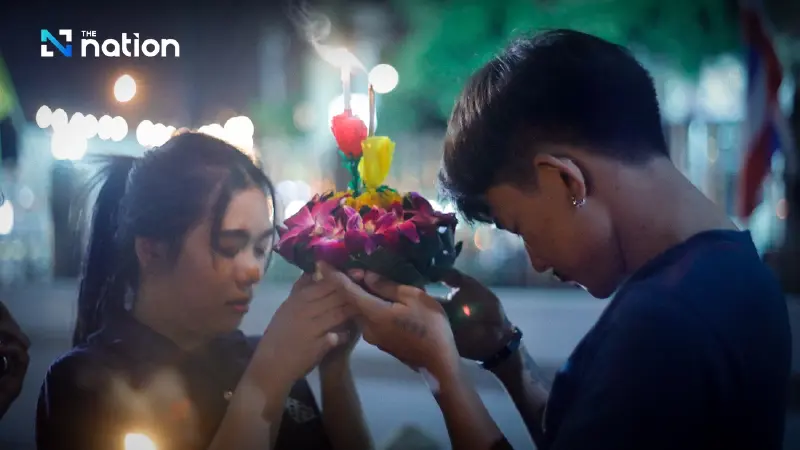


The number of krathong floats in Bangkok continues to decline, with a significant drop in foam floats over the past eight years. Environmental awareness drives change ahead of the 2025 Loy Krathong festival.
The number of krathong floats in Bangkok has been steadily decreasing over the past eight years, particularly those made of foam, as city residents have become more environmentally conscious, the Bangkok Metropolitan Administration (BMA) announced on Wednesday.
Decrease in Total Floats Collected
The BMA reported that the total number of floats collected after the Loy Krathong night in 2017 was 811,945, which dropped to 514,590 in 2024, marking a 35.6% decrease.
Sharp Decline in Foam Floats
The number of krathong floats made from foam has seen a significant reduction of 84%. In 2017, 51,926 foam floats were collected, but by 2023, this number had plummeted to 8,270.
Breakdown of Floats Collected Over the Years
Here are the number of krathong floats collected by the BMA over the last eight years:
2017: 811,945 floats
- 760,019 made from natural materials
- 51,926 made from foam
2018: 814,327 floats
- 769,444 made from natural materials
- 44,883 made from foam
2019: 502,024 floats
- 483,264 made from natural materials
- 18,760 made from foam
2020: 492,537 floats
- 474,806 made from natural materials
- 17,731 made from foam
2021: 403,235 floats
- 388,954 made from natural materials
- 14,281 made from foam
2022: 572,602 floats
- 548,086 made from natural materials
- 24,516 made from foam
2023: 639,828 floats
- 618,951 made from natural materials
- 20,877 made from foam
2024: 522,860 floats
- 514,590 made from natural materials
- 8,270 made from foam
Encouraging Environmentally-Friendly Celebrations
Meanwhile, Surin Worakijthamrong, Director-General of the Pollution Control Department, urged the public to be more environmentally conscious when celebrating Loy Krathong.
He encouraged people to take three key steps to reduce the environmental impact of the festival:
- One family, one float: He suggested that if each family releases only one float together, it would significantly reduce the total number of floats released into the water.
- Use naturally degradable materials: Surin urged people to use floats made from natural materials like banana leaves, banana stems, lotuses, or even ice, all of which are biodegradable.
- Try online floats: For a more environmentally friendly option, he proposed that people consider using virtual floats through online platforms instead of physical ones.
Avoid Using Bread Floats
Surin also warned against using bread to make floats, as the large volume of bread released into the water at once could lead to water pollution.
