
Philippine peso hits record low amid corruption scandal shaking investor confidence
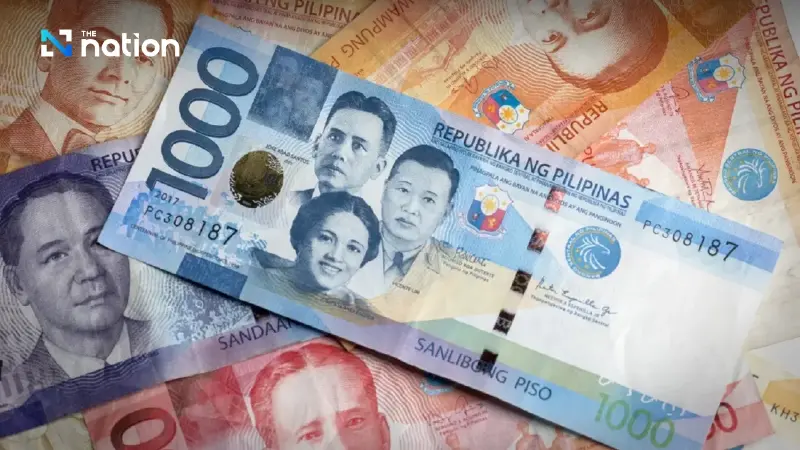


Philippine peso sinks to an all-time low as a major corruption scandal in state infrastructure projects rattles investor confidence and weakens growth
The Philippine peso has plunged to a record low, as reported by Nikkei Asia, following revelations of a large-scale corruption scandal in government infrastructure projects. The decline is attributed not only to the strength of the US dollar but also to severe domestic issues that have damaged market confidence and forced the Bangko Sentral ng Pilipinas (BSP) to maintain a loose monetary policy stance.
According to the anti-corruption task force under President Ferdinand Marcos Jr, investigators uncovered systemic corruption involving falsified contracts, embezzlement of public funds, and unbuilt projects that had already received payments. The scandal has sparked a crisis of confidence in the markets.
On October 28, the peso fell to an all-time intraday low of 59.262 to the US dollar, breaking the previous record of 59.168 set in 2022. The BSP said the sharp depreciation reflected market concerns over slowing economic growth, partly caused by the infrastructure spending scandal and expectations of further monetary easing. As of Friday, the peso remained weak at 58.9 to the dollar.
Economists warned that the scandal has undermined the country’s growth potential. Official data released on Friday showed that the Philippine economy expanded by only 4.0% in the third quarter, down from 5.24% a year earlier and marking the slowest growth since 2021 during the Covid-19 pandemic. Analysts estimated that without widespread graft and wasteful spending, growth could have reached 6% in recent years.
Finance Secretary Ralph Recto told senators on October 14 that revenue collection efforts had slowed due to corruption issues, causing the economy’s momentum to stall.
Michael Enriquez, president of Sun Life Investment Management and Trust, said restoring foreign investor confidence would require the government to address corruption and rebuild credibility through institutional reforms.
Leonardo Lanzona, economics professor at Ateneo de Manila University, added that high US tariffs on Philippine goods, a persistent trade deficit, interest rate differentials, and elevated inflation have further weakened the peso. He noted that exports and remittances from overseas workers have failed to offset the pressure amid the global economic slowdown.
The widespread corruption scandal has triggered capital flight, slowed foreign direct investment, and driven local investors to move funds abroad. Heightened political instability has also led investors to demand higher risk premiums for peso assets, making domestic investments increasingly unattractive.
In response to growth concerns, the BSP’s Monetary Board has continued to ease policy, cutting interest rates four times this year by 0.25 percentage points each time, bringing the policy rate down to 4.75% in an effort to support the struggling economy.
