
BMA proposes work from home on Thursday as Bangkok air pollution worsens
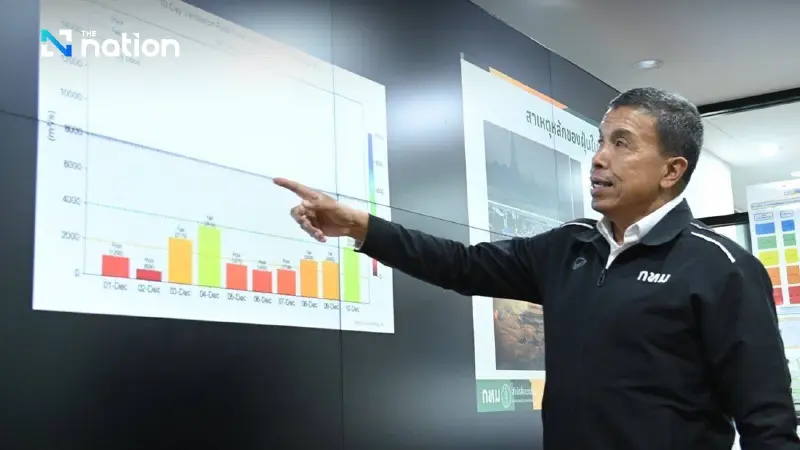


Bangkok Governor proposes work-from-home measure for Thursday to reduce air pollution as PM2.5 levels rise, with stricter enforcement of dust control measures.
Governor proposes work-from-home measure to improve air quality
Bangkok Governor Chadchart Sittipunt on Tuesday proposed that government agencies and private companies allow their employees to work from home on Thursday, as a measure to help alleviate the worsening air pollution in the capital.
Chadchart explained that this measure follows two consecutive days of PM2.5 levels rising to the orange category in all 50 districts of Bangkok, as well as an increase in the number of hotspots. He added that the work-from-home measure would be implemented first on Thursday and may be enforced again on December 5, 6, 7, and 10 when PM2.5 levels are expected to rise once more.
PM2.5 levels reach concerning heights across Bangkok

The proposed work-from-home measure aims to reduce vehicle exhaust emissions and dust accumulation in Bangkok and its metropolitan areas. Chadchart stated that the high PM2.5 levels in winter were caused by stagnant weather, poor air circulation, vehicle emissions, and biomass burning from neighboring countries.
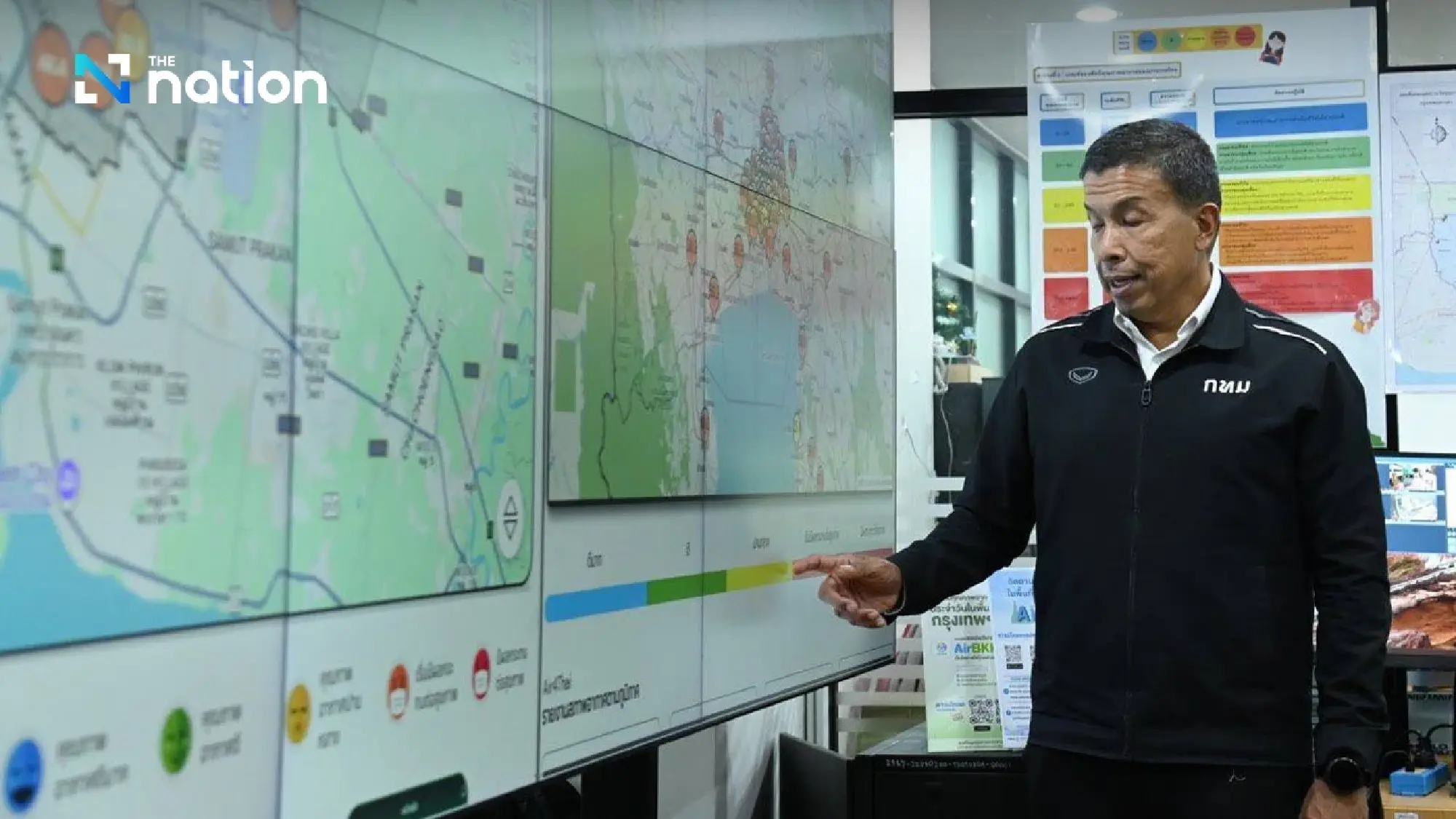
For the measurement of dust levels in Bangkok, the city uses the PM2.5 value in micrograms per cubic meter (µg/m³), not the Air Quality Index (AQI), which may cause confusion due to the large differences in numbers. Bangkok categorizes dust levels into five colors: Blue (0-15 µg/m³), Green (15.1-25 µg/m³), Yellow (25.1-37.5 µg/m³), Orange (37.6-75 µg/m³), and Red (75.1 µg/m³ and above).

Work from home trial successful in reducing PM2.5 levels
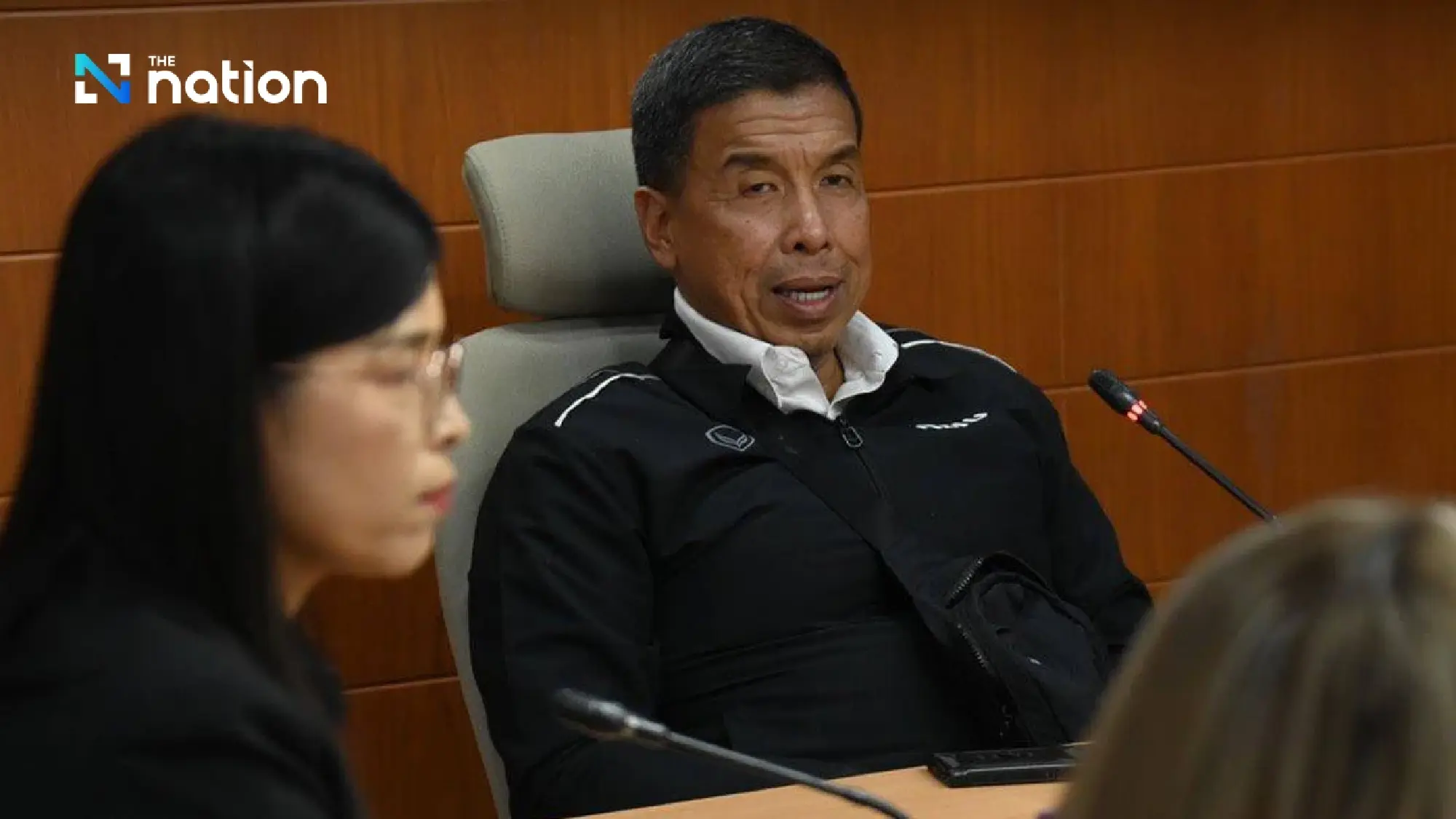
Chadchart noted that the work-from-home measure would be voluntary, not mandatory, and referred to a trial conducted last year, which helped reduce PM2.5 levels by 13%. He further stated that the Bangkok Metropolitan Administration (BMA) would enforce stricter measures at construction sites and check vehicles for black smoke emissions. The BMA would also encourage people to use public transport more frequently.
Tracking PM2.5 levels in real time
On the same day, Narong Ruengsri, Permanent Secretary of BMA, revealed that PM2.5 dust levels in several areas of Bangkok had surpassed standard limits. The Bangkok Air Quality Data Center reported that at 11:00 AM, the average PM2.5 level in Bangkok was 51.8 µg/m³ (the standard is 37.5 µg/m³).
The 12 districts with the highest PM2.5 levels are as follows:
- Sathorn - 67.5 µg/m³
- Minburi - 63.9 µg/m³
- Lat Krabang - 61.6 µg/m³
- Bang Rak - 60.3 µg/m³
- Yan Nawa - 59.5 µg/m³
- Ratchathewi - 58.1 µg/m³
- Nong Khaem - 57.4 µg/m³
- Pathum Wan - 57 µg/m³
- Khlong San - 56.9 µg/m³
- Khlong Sam Wa - 56.7 µg/m³
- Bang Kho Laem - 56.3 µg/m³
- Bang Kapi - 55.4 µg/m³

Additional measures to combat air pollution
Due to the detrimental effects of dust on public health, the BMA has instructed all 50 districts to enhance measures to tackle the PM2.5 issue for 2026, which include:
- Strict enforcement of construction site regulations, including spraying water and covering construction areas, with all six-wheel trucks entering construction sites required to be on the Green List.
- Inspecting areas where waste or grass is being burned, particularly in areas with recurring burning.
- Ensuring dust-producing businesses, such as cement mixing operations, boilers, and biomass fuel usage, comply with air pollution standards.
- Prohibiting parking on main and secondary roads to prevent traffic congestion and reduce pollution.
- Increasing nighttime road cleaning to reduce dust accumulation and prevent dust from dispersing back into the air.
- Suspending all outdoor activities at schools and preschools, especially for vulnerable children, and ensuring communication with parents about precautions.
- Advising the public to contact the Health Hotline at 1646 for symptoms such as red eyes, rashes, or difficulty breathing.
Health recommendations and public awareness
Health recommendations include:
- General public: Wear PM2.5 masks outdoors, limit strenuous outdoor activities, and watch for symptoms like coughing, difficulty breathing, or eye irritation.
- Vulnerable groups: Wear PM2.5 masks outdoors, avoid strenuous activities, follow medical advice, and seek immediate medical attention if symptoms occur.
Narong said the public can track real-time dust levels in all 50 districts of Bangkok via the AirBKK app and website. This will help individuals plan their activities, avoid areas with high dust levels, and reduce outdoor activities to protect their health. The AirBKK app also provides a 7-day PM2.5 forecast.
