
DNP tightens fire control across 14 forest groups, sets 3,000 checkpoints nationwide
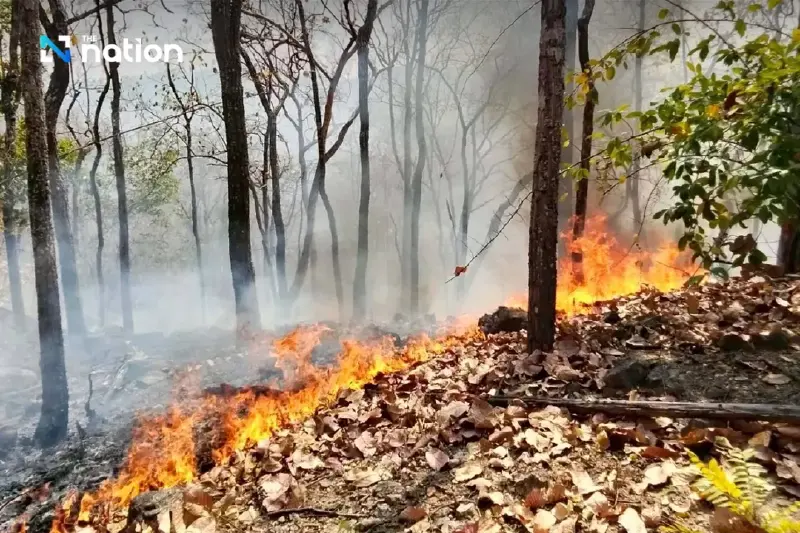


DNP tightens forest-fire control across 14 forest groups, sets 3,000+ checkpoints and a war room as hotspots rise and drought risks deepen.
Department of National Parks, Wildlife and Plant Conservation (DNP) says it is stepping up forest-fire prevention and suppression across 14 forest groups, deploying personnel to more than 3,000 surveillance points nationwide as conditions become drier and hotspots begin to appear—particularly from the central region northwards.
Athapol Charoenshunsa, Director-General of the DNP, said on February 21, 2026 that the ministry is treating forest areas as a key factor influencing PM2.5 levels, with recent hotspots and fire incidents detected in areas such as the Srinagarind Dam forest group (Kanchanaburi), Phu Khieo forest group (Chaiyaphum) and the Mae Yom forest area in the lower North.
14 “forest groups” and joint operations across boundaries
Athapol said the DNP is using a “forest group” operating model covering all 14 groups, enabling seamless cooperation between protected forests, national reserved forests and forest-agriculture interface areas. The DNP is working with the Royal Forest Department, local authorities and administrative officials to prevent operational gaps across jurisdictions.
He said an analysis of data over the past five years suggests the forest-group approach—introduced last year—has helped reduce hotspot numbers noticeably.

Hotspot picture and heightened vigilance
Athapol said cumulative hotspots stand at 23,479. He said 1,468 hotspots were found in protected forest areas, while the remainder were outside protected areas; compared with the same period last year, hotspot numbers were down 69%. However, he warned officials must remain on maximum alert because dust levels could rise this year as dryness intensifies—arriving later than usual after earlier accumulated rainfall.
3,000+ surveillance points and community hiring
Athapol said the minister has emphasised deploying personnel to hold strategic areas during high-risk periods, including Kanchanaburi, Uthai Thani, Nakhon Ratchasima, Chaiyaphum and Tak. More than 3,000 surveillance points have been set up nationwide, with three local residents hired per point to provide income and bring communities into faster reporting.
He said the core principle is rapid detection and fast access: finding a fire early and reaching it in time can dramatically reduce damage to natural resources.

Helicopters, “black line” containment, and special teams
He said Deputy Prime Minister and Natural Resources and Environment Minister Suchart Chomklin has ordered helicopter support for hard-to-reach areas, helping contain fires in critical zones—such as Phu Khieo forest—within a “black line” (a controlled boundary to prevent spread). Some areas may still have smouldering fire, he said, but firebreak lines have been fully established.
He added that special operations teams—Suea Fai and Yiao Fai—have been deployed to major watershed forests, including areas around Bhumibol Dam, Mae Ping National Park, Mae Tuen Wildlife Sanctuary and Omkoi, which are large and difficult to control if severe flare-ups occur.

War room and drought escalation plans
With an El Niño outlook raising expectations of a more severe and prolonged drought, Athapol said the DNP has set up a war room linking data between provincial and forest-group levels, with close oversight by the ministry’s permanent secretary and the minister. Equipment, fuel and staff welfare are being prepared to keep teams ready at all times.
Public cooperation and hotline
The DNP urged the public to avoid burning forests and agricultural areas during provincial burn bans. If fuel management is necessary, people should consult officials first. Athapol said deliberate forest-fire setting will face strict enforcement, including possible forest closures with no-entry orders. Incidents can be reported via the Forest Protection Hotline 1362, available 24/7.
