
Anutin calls NSC meeting on Gulf conflict fallout, evacuation plans for Thais in Iran



Prime Minister Anutin Charnvirakul will convene the National Security Council on March 2, 2026 to assess economic and security fallout from the Iran conflict, while ordering evacuation preparedness for Thai nationals, including Air Force and charter-flight options.
Prime Minister Anutin Charnvirakul said on Sunday he will convene a meeting of the National Security Council (NSC) on Monday to discuss possible fallout from the ongoing fighting involving Iran and allied forces of the United States and Israel.
He said the meeting will be held at 10.00am on March 2, 2026, with coordination expected across government agencies and private-sector stakeholders on trade, exports and imports, and price-stabilisation measures aimed at preventing severe impacts on Thai consumers.
NSC meeting to focus on trade, prices and wider impacts
Anutin said Thailand must prepare for potential spillover effects, including pressure on living costs, energy prices and supply chains. He said the NSC meeting would bring together relevant parties to ensure contingency planning is in place, particularly on commerce and pricing measures.
Embassies open operations centres and 24/7 hotlines
He added that Thai diplomatic missions have opened operations centres and are maintaining round-the-clock hotlines to assist Thai nationals in the Middle East who may be affected by the situation.

Evacuation preparations ordered, Air Force on standby
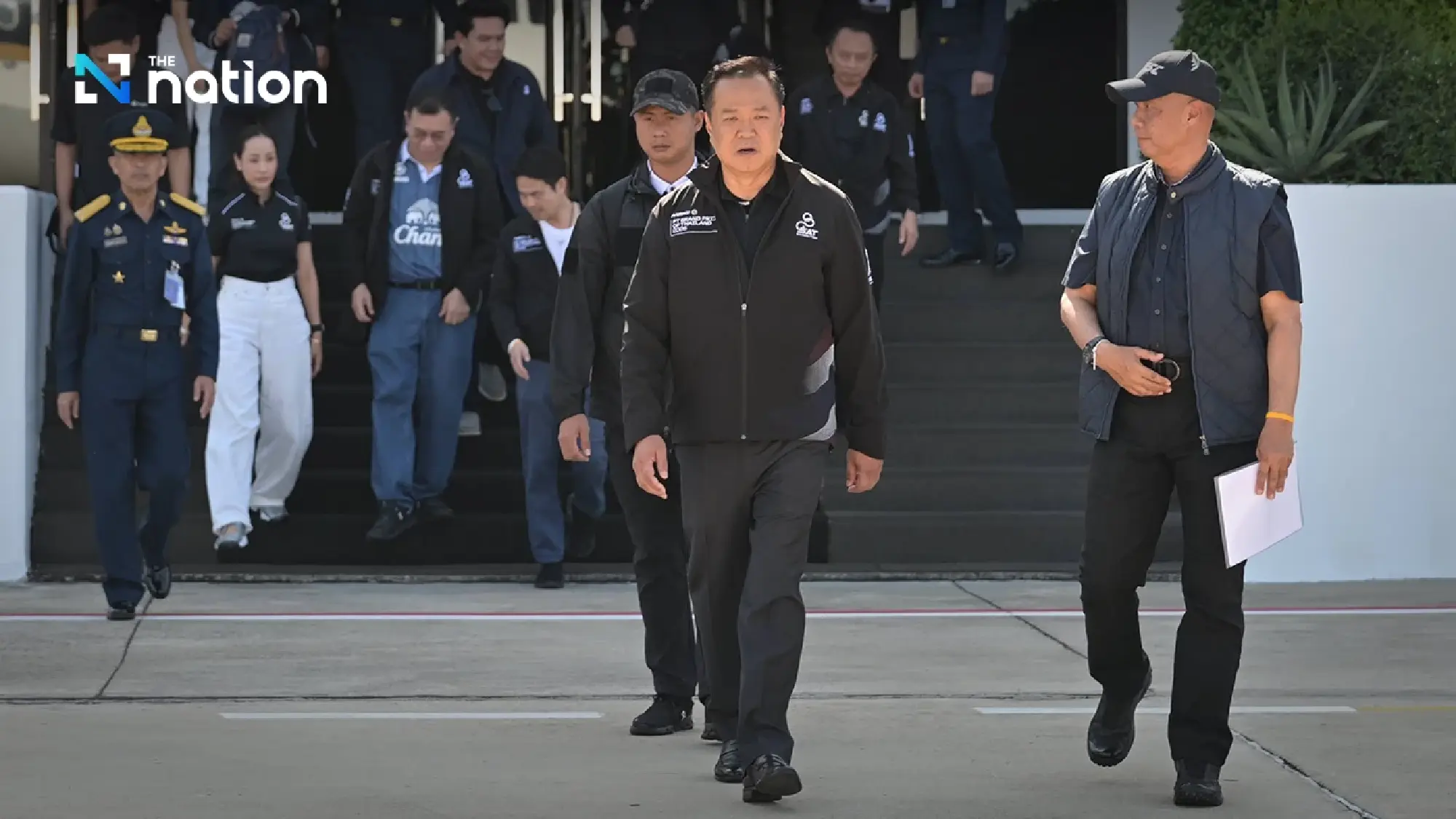
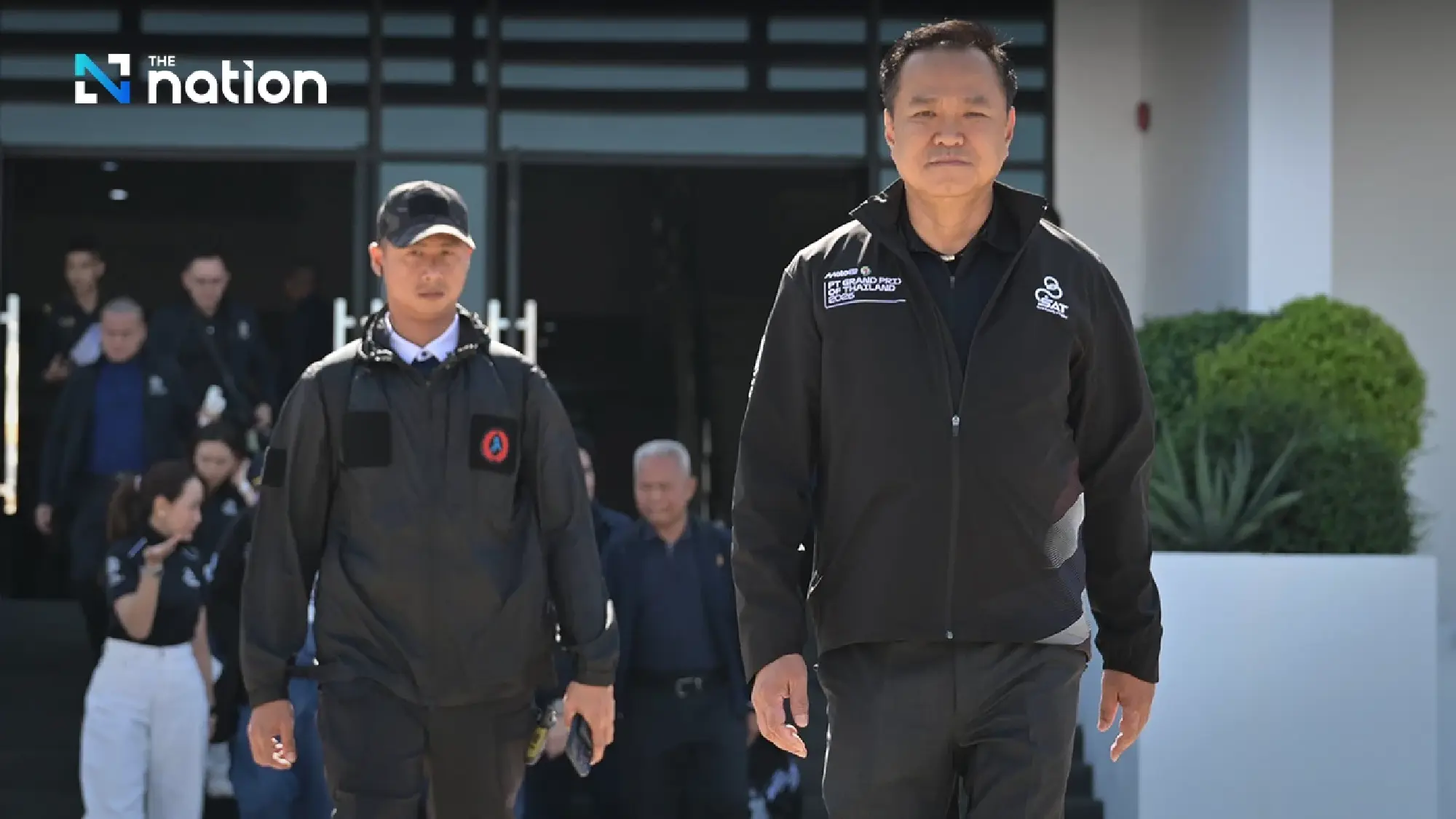
Anutin said he has ordered preparations to assist Thai nationals living in areas affected by the fighting. Speaking at Wing 6, Don Mueang Air Force Base, he said relevant agencies—including security authorities and the Ministry of Foreign Affairs—briefed him on Saturday night about strikes by US and Israeli forces against Iran.
He said the government has coordinated with the Royal Thai Air Force and held discussions with the Air Force commander to prepare aircraft that could be used to support Thai nationals—especially in Iran—and to identify viable routes to bring people home.

Background: US-Israeli strikes and escalation risks
The conflict intensified on February 28, 2026, when Israel said it launched a pre-emptive attack against Iran, with US military action accompanying the strikes, according to Reuters. Reuters reported the assault was coordinated between the US and Israel and followed months of planning.
Reuters also reported that the strikes targeted a range of Iranian sites and leadership-linked targets, prompting Iranian retaliation across the region and raising fears of wider escalation and disruption to key energy routes.
Air Force aircraft, charter flights and third-country routes
Anutin said aircraft availability should not be a problem, but using Royal Thai Air Force aircraft may require multiple refuelling stops. Authorities are therefore also considering alternatives such as charter flights to bring Thai nationals back as quickly as possible.
He added that where airspace closures prevent direct travel, officials will reassess options, including evacuating Thai nationals to a third country before arranging their return to Thailand.
“Ready at all times” to bring people home
Anutin said the crucial factor is access to destination countries and how quickly Thailand can operate safely. He said several Air Force aircraft have already been readied, and the government is coordinating with the Foreign Ministry and the Transport Ministry to explore the most effective flight arrangements, including whether direct flights can be arranged under government flight permissions.
He said the Thai government will pursue every possible option to ensure Thai nationals are kept as safe as possible and will bring them home if they wish to return.
Economic contingency planning assigned to Finance Minister
Asked about economic preparedness, Anutin said he has assigned Ekniti Nitithanprapas, Deputy Prime Minister and Finance Minister, to prepare for all scenarios, as Thailand would inevitably face impacts on the cost of living, oil prices and other energy costs. The government, he said, must find ways to minimise the impact on the public.
Over 70,000 Thais reported in Iran and Dubai
Anutin said the Ministry of Labour reported Thai nationals in Iran and Dubai totalling more than 70,000, including around 7,700 in Iran. He urged the public to follow further details from the relevant ministries.
Advice for Thai nationals who choose to stay
Asked what he would like to say to Thais who do not want to return at this time, Anutin said countries have measures to protect citizens and foreign nationals. He urged Thai nationals to closely monitor updates and strictly follow official guidance from Thai authorities and local officials.
