
IRGC prepares ‘most violent’ operation in history amid Iran leadership vacuum
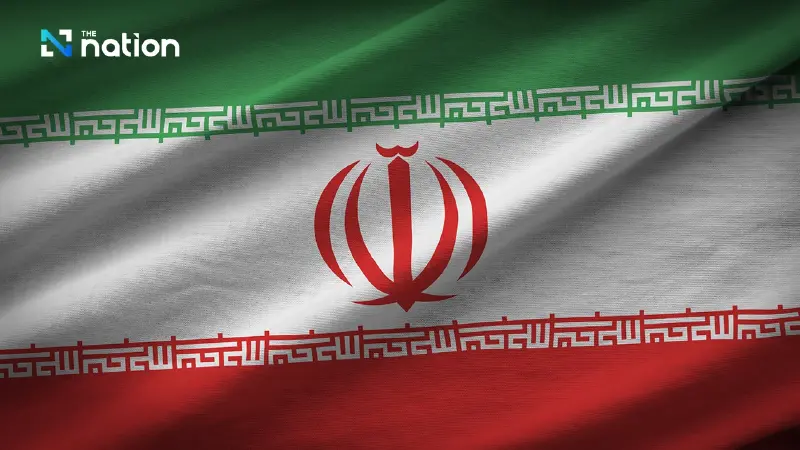


Iran’s Islamic Revolutionary Guard Corps (IRGC) says it will imminently strike Israeli and US bases, as Tehran moves to manage a transition after the reported death of Supreme Leader Ali Khamenei, raising fears of a wider regional conflict with global energy and economic fallout.
- Iran's Islamic Revolutionary Guard Corps (IRGC) announced it is preparing its "most violent operation" in history, targeting Israeli and US bases.
- This military escalation is occurring amid a leadership vacuum in Iran following the death of Supreme Leader Ali Khamenei.
- A temporary council is overseeing the country's administration during the transition.
- The official process of appointing a new Supreme Leader by the Assembly of Experts is facing potential delays due to security constraints.
Iran’s Islamic Revolutionary Guard Corps (IRGC) said it was preparing to launch what it described as “the most violent operation in the history of the Islamic Republic of Iran’s armed forces” at 9.50am on Sunday (March 1).
It said the strikes would target Israeli and US bases and would begin within minutes.
The announcement came amid escalating tensions in the Middle East, heightening concerns about the risk of a wider conflict that could affect security, energy markets and the global economy.

Watching the power transition
Meanwhile, Iranian authorities said the President, the head of the judiciary, and a jurist from the Guardian Council would jointly oversee the administration during the transition following the death of Ali Khamenei, Iran’s Supreme Leader.
Under Iran’s constitution, the appointment of a new Supreme Leader is the responsibility of the Assembly of Experts, a body of senior clerics, which is required to act as quickly as possible to maintain continuity of state power.
However, with the country facing external attacks, urgently convening all members of the Assembly of Experts may face constraints related to security and travel.

Lessons from the past
In 1989, Ayatollah Ruhollah Khomeini, Iran’s first Supreme Leader, died, and on the same day, Ali Khamenei was appointed to succeed him.
This reflects a key principle in Iran’s governing structure: a strong emphasis on “continuity of power” to prevent a political vacuum.
