
EGAT seeks alternative LNG supplies, readies Mae Moh plant amid Iran war
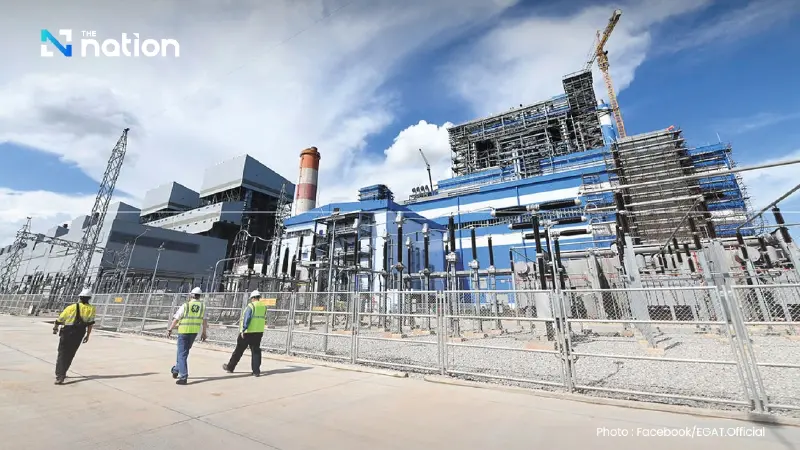


EGAT is securing alternative LNG sources and preparing to run the Mae Moh power plant at full efficiency as it monitors risks to Qatari gas imports via the Strait of Hormuz.
The Electricity Generating Authority of Thailand (EGAT) is preparing to rely more heavily on its coal-fired Mae Moh power plant in Lampang, while also seeking alternative liquefied natural gas (LNG) supplies, as it monitors the impact of the Iran war on energy security.
Narin Phaowanich, governor of EGAT, said the agency has set up a dedicated war room to track the situation around the clock, with particular focus on LNG imports from Qatar via the Strait of Hormuz, a key route for fuel used in Thailand’s electricity generation.
He said EGAT is putting contingency measures in place to cope with any disruption, including securing LNG from other sources and preparing the coal-fired Mae Moh plant to operate at full efficiency.

A source at EGAT said that in 2026 the Mae Moh plant has three remaining generating units, with a combined contracted installed capacity of 1,140 megawatts.
These are Unit 8 with a capacity of 270 megawatts, Unit 11 with a capacity of 270 megawatts, and Unit 14 with a capacity of 600 megawatts.

The source said operations at the coal-fired Mae Moh plant would be managed in line with coal supplies from the Mae Moh mine.
Mae Moh is a coal-fired power plant that uses domestic resources and remains a major source of electricity generation in northern Thailand. EGAT views the plant as a key pillar of power security, helping diversify the fuel mix, maintain energy balance and reduce reliance on imported fuels.
