
North declares emergency zones as wildfires and PM2.5 worsen
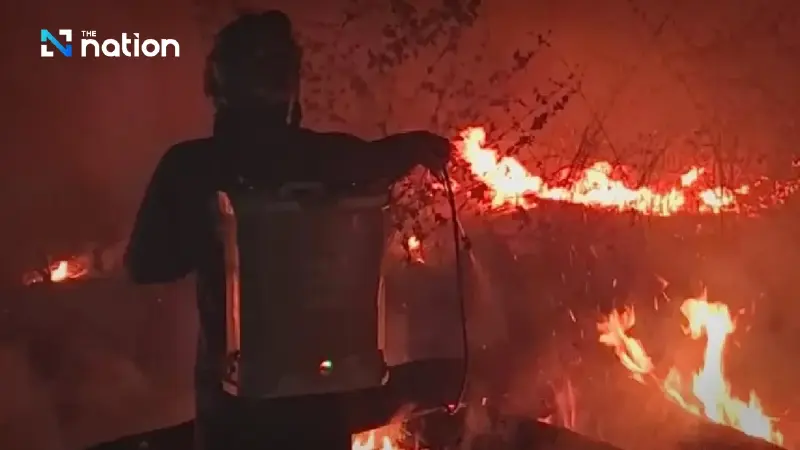


Chiang Mai, Lamphun and Phayao have declared emergency disaster assistance zones covering 17 districts as wildfire and PM2.5 conditions intensify
Interior Ministry has moved to step up its response to the worsening wildfire and haze crisis in the North, with three provinces now declaring emergency disaster assistance zones in a bid to speed up relief, suppression work and local recovery efforts.
Interior Ministry permanent secretary Arsit Sampantharat said on April 4 that governors in Chiang Mai, Lamphun and Phayao had already declared emergency assistance areas, following the latest assessment of wildfire, haze and PM2.5 conditions across the 17 northern provinces. The declarations currently cover a total of 17 districts.

In Chiang Mai, the emergency declaration covers seven districts affected by wildfires: Hot, Samoeng, Doi Saket, Chiang Dao, Mae Wang, Mae Taeng and Mae Rim.
In Lamphun, the declaration applies to Li district in connection with PM2.5 pollution.
In Phayao, the emergency zone spans nine districts and covers both wildfire and PM2.5 impacts: Mueang Phayao, Chun, Chiang Kham, Chiang Muan, Dok Khamtai, Pong, Mae Chai, Phu Sang and Phu Kamyao.

The ministry said the purpose of the emergency declarations is to create greater unity in crisis management and allow provincial governors to draw on emergency advance funds for disaster assistance in 2026, as well as other related budgets. That would enable faster action to contain the disaster and provide timely relief for damage to lives and property.
Arsit said the measure follows the policy of Prime Minister and Interior Minister Anutin Charnvirakul, with the aim of integrating all available local resources as efficiently as possible. The ministry said it would continue monitoring the situation until affected residents are able to return to normal life.
The latest move signals a more forceful localised response as northern provinces remain under severe pressure from seasonal burning, wildfire hotspots and dangerous fine-particle pollution, with authorities now trying to combine firefighting, public health protection and budget mobilisation under one emergency framework.
